
Israel captures strategic Crusader-built castle as incursion into southern Lebanon deepens
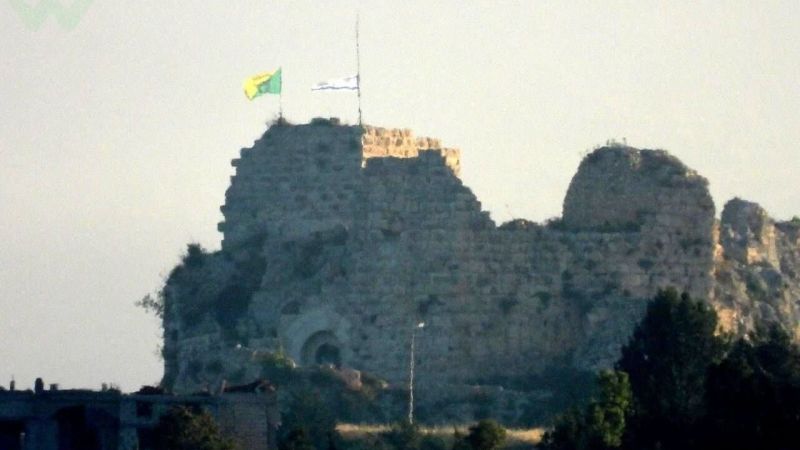
Israel Seizes Historic Beaufort Castle in Southern Lebanon, Marking a New Front in the Conflict
Israel captures strategic Crusader built castle – The Israeli military has taken control of the Crusader-era Beaufort Castle in southern Lebanon, a site that had not been occupied by Israeli forces for 26 years, as part of an ongoing military operation expanding into Lebanese territory. Located near the city of Nabatiyeh and about 9 miles (14.5 kilometers) from the Israeli border, the castle has become a focal point of recent clashes. The Israeli Defense Forces (IDF) announced Sunday that the mission aimed to secure the Beaufort Ridge and the Wadi al-Saluki region, targeting Hezbollah’s military infrastructure in both areas.
The castle, perched on a high cliff overlooking the Litani River, was constructed nearly 900 years ago by the Crusaders. Its strategic importance has endured through centuries of conflict, with Israeli troops previously holding it during past wars. “This operation is centered on securing the Beaufort Ridge and the Wadi al-Saluki area,” the IDF statement said, emphasizing efforts to neutralize Hezbollah’s capabilities. The forces also claimed to have dismantled the militant group’s combat infrastructure in the region.
Fierce fighting in the vicinity of the castle has persisted for days, intensifying as Israeli forces advance deeper into Lebanon. According to the Lebanese state news agency NNA, Israeli air strikes and heavy artillery bombardments targeted the area surrounding the fortress on Saturday. Hezbollah confirmed that one of its fighters had destroyed an Israeli tank near the castle, highlighting the intensity of the engagement. The municipality of Arnoun previously condemned the Israeli attacks and called for international support to shield the historical site, as reported by NNA.
“The operation began several days ago, with a substantial number of IDF ground troops launching offensives to strengthen the Forward Defense Line,” the IDF stated. “Hezbollah terrorists have used Beaufort Ridge to coordinate military activities and launch multiple attacks.”
Israeli Defense Minister Israel Katz framed the operation as a clear warning to adversaries, stating, “Anyone who threatens Israeli civilians will see their strategic assets gradually lost.” Smotrich, the far-right Finance Minister, echoed this sentiment, declaring, “For every explosive drone, ten buildings in Beirut must fall.” His remarks underscored Israel’s commitment to maintaining permanent territorial dominance and a proactive military approach.
Historical Significance and UNESCO Recognition
The Beaufort Castle, a symbol of medieval architecture in the Near East, has been recognized by UNESCO as one of the best-preserved examples of its kind. In late 2024, the organization granted it provisional enhanced protection, the highest level of defense against military use or attack. This designation came after Israel’s ground invasion of Lebanon, which prompted a renewed focus on safeguarding cultural heritage sites.
During the 1982 military campaign, the castle was the site of heavy combat between Israeli forces and the Palestine Liberation Organization (PLO). The Israeli occupation of southern Lebanon at that time saw the fortress suffer significant damage, according to UNESCO records. The military withdrew from the region in 2000, but the castle’s strategic value has remained evident throughout the years.
UNESCO noted that the castle had been a critical location for both military and civilian purposes during its 18-year occupation. The organization’s report highlighted the site’s historical significance and the potential for its destruction to impact Lebanon’s cultural landscape. The recent capture by Israel raises concerns about the preservation of such landmarks in the face of escalating military activity.
Escalating Tensions and Regional Implications
Despite a US-mediated ceasefire agreement reached in April between Israel and Lebanon, hostilities have continued to rise. Israel has intensified its operations, pushing further into Lebanese territory, with Prime Minister Benjamin Netanyahu confirming that forces have crossed the Litani River, which lies approximately 15-20 miles (30 kilometers) north of the Israeli border. The IDF stated that it had expanded its targeting of Hezbollah assets beyond the river, into additional regions.
Evacuation orders have been issued for villages north of the Litani River in recent days, as Israeli troops consolidate their position. The ongoing conflict has drawn attention to the fragility of diplomatic efforts, with the US-Iran agreement now facing potential risks. US President Donald Trump expressed support for Israel’s “freedom of action against threats on all fronts, including Lebanon,” according to an Israeli official who shared the comments with CNN.
As the operation continues, the Beaufort Castle’s historical and strategic role remains central to the broader conflict. The site, which has witnessed multiple waves of warfare, now stands as a symbol of the current incursion. Its capture not only reflects Israel’s military objectives but also highlights the growing pressure on Lebanon’s government to defend its territory and cultural assets.
Lebanese officials and international observers are closely monitoring the situation, concerned about the long-term consequences of the operation. The continued fighting near the castle has sparked debates about the balance between military necessity and the protection of heritage sites. As the IDF moves forward, the fate of the Beaufort Castle—and its potential impact on regional stability—will remain a key issue in the evolving conflict.
