
How Costco sells such cheap gas
Costco’s Secret to Affordable Fuel
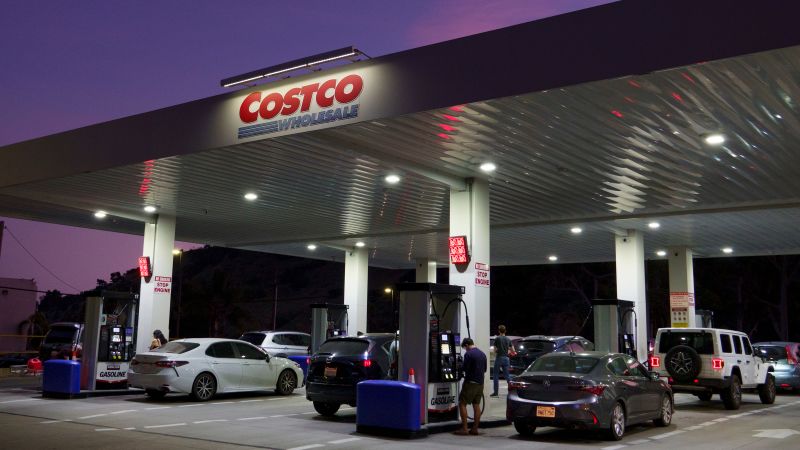
How Costco sells such cheap gas – Over the past half-century, Costco has consistently offered competitive pricing on a wide array of goods, but recently, the demand for its gasoline has reached unprecedented levels. This surge has led to operational challenges, with many of its 747 gas stations facing constant need for tanker truck refills to prevent shortages. During its quarterly earnings call this week, Costco highlighted the strain on its fuel operations, noting that stations have been so overwhelmed that they’ve had to dispatch additional deliveries multiple times daily.
Gas as a Bargain Amid Rising Prices
As gas prices climbed above $4 in most regions and exceeded $6 on the West Coast, Costco emerged as a preferred destination for budget-conscious consumers. While its prices are still relatively low compared to local stations—typically 30 cents cheaper per gallon than nearby competitors—the company’s ability to maintain affordability is tied to its unique business model. This strategy has drawn attention from customers who are increasingly buying just enough to fill their tanks, fearing that prices might rise further tomorrow. The result? A notable uptick in gas sales, even as some members report long wait times at stations.
The Cost-Cutting Edge of Membership
Costco’s pricing power stems from its membership-based approach and economies of scale. Unlike conventional gas stations, which often operate as small, independent ventures with added convenience stores or repair services, Costco leverages its vast network to minimize costs. The company’s gross profit margin from gas is just a few cents per gallon, far below the 25- to 35-cent markup typical of other stations. This low markup allows Costco to pass savings to customers, even as it faces challenges like increased fuel demand.
Membership fees are a cornerstone of Costco’s financial model, accounting for roughly two-thirds of its total profit. This means the company can absorb the lower margins on gas without sacrificing overall earnings. Moreover, Costco sells most of its products—gasoline included—at or near cost, sometimes even below. The famous $1.50 hot dog and soda combo is a prime example of this pricing philosophy, which extends to its fuel offerings. When prices rise, customers tend to buy less, limiting the potential for markup. But for Costco, higher prices mean more sales, creating a paradox where increased demand works in its favor despite the pressure on profit margins.
Chickens and the Consumer Experience
Interestingly, Costco’s gas strategy is intertwined with its broader retail approach. The company’s rotisserie chickens, priced at $4.99, have long been a standout product, but their role in the current situation is more nuanced. According to CEO Roland Vachris, a record number of members who purchase gas also visit the warehouse, with about half of them walking into the store after filling up. This foot traffic has risen by approximately 5% year-over-year, contributing to higher in-store sales. The design of the warehouse, with gas stations located near the entrance and chickens at the back, encourages customers to explore more aisles—often leading to additional purchases.
“We believe this will drive even greater loyalty with these members in the future as members who use our gas stations typically spend more with us in the warehouse,” said Vachris during a conference call with analysts. He noted that gas was mentioned 72 times during the call, underscoring its significance to the company’s strategy. Vachris also pointed out that customers have been stretched this quarter due to the higher percentage of their income allocated to fuel costs, but Costco’s competitive pricing has provided a buffer.
While the chicken rack is a key driver of in-store traffic, the company’s broader tactics include targeted discounts on other products. CFO Gary Millerchip explained that Costco extended meat and egg promotions to members, recognizing the opportunity to enhance value during a time of rising fuel expenses. These initiatives are designed to ensure that even when gas prices dip, the company retains its customer base through additional savings on other items.
The Double-Edged Sword of Price Volatility
Costco’s success in selling gas at a discount comes with trade-offs. When prices are high, the company benefits from increased volume, but when they drop, gas sales can reduce overall margins. Last year, for instance, gas prices spent considerable time below $3 per gallon, adding about a tenth of a percentage point to Costco’s gross margin. However, in the most recent quarter, the same trend subtracted two tenths of a point, highlighting the fluctuating impact of fuel prices.
Despite these fluctuations, Costco remains optimistic about sustaining its growth momentum. The company reported a $2.3 billion decline in gas sales in 2025 compared to the previous year, largely due to lower prices. Yet, Millerchip emphasized that this decline is a “good problem to have,” as it reflects a shift in consumer behavior toward other products. “Over time, it’s a great way to build loyalty,” he said. “We do think it’s a good, healthy barometer of long-term growth for the business.”
Market Reactions and the Road Ahead
While Costco’s strategy has generated enthusiasm among members, analysts and investors have remained cautious. The company’s stock dropped nearly 4% on Friday, raising questions about whether the gains from gas discounts can be maintained when prices stabilize. For now, the combination of affordable fuel and strategic product placements—like the rotisserie chicken—seems to be working. But as gas prices decline again, Costco will need to ensure that its members remain engaged with other offerings to keep the momentum going.
Ultimately, Costco’s ability to undercut competitors hinges on its unique structure. By integrating gas sales into a larger retail ecosystem, it can balance lower margins on fuel with higher margins on other products. This model has allowed the company to thrive even in challenging economic conditions, turning the fluctuations of gas prices into an opportunity to reinforce its brand loyalty. As Vachris noted, the challenge lies in maintaining this advantage when the market shifts, but for now, the company appears well-positioned to navigate the ups and downs of the fuel industry.
The interplay between gas prices and consumer behavior remains a focal point for Costco. While high prices drive more traffic to its stations, low prices risk diverting customers to cheaper alternatives. However, the company’s broader strategy—offering value across multiple categories—ensures that even in periods of low gas demand, its members continue to find reasons to visit. This, in turn, keeps the membership model robust, allowing Costco to sustain its position as a leader in the retail and fuel sectors.
