
Americans exposed to Ebola in Africa will be sent to Kenya for care, Trump administration says
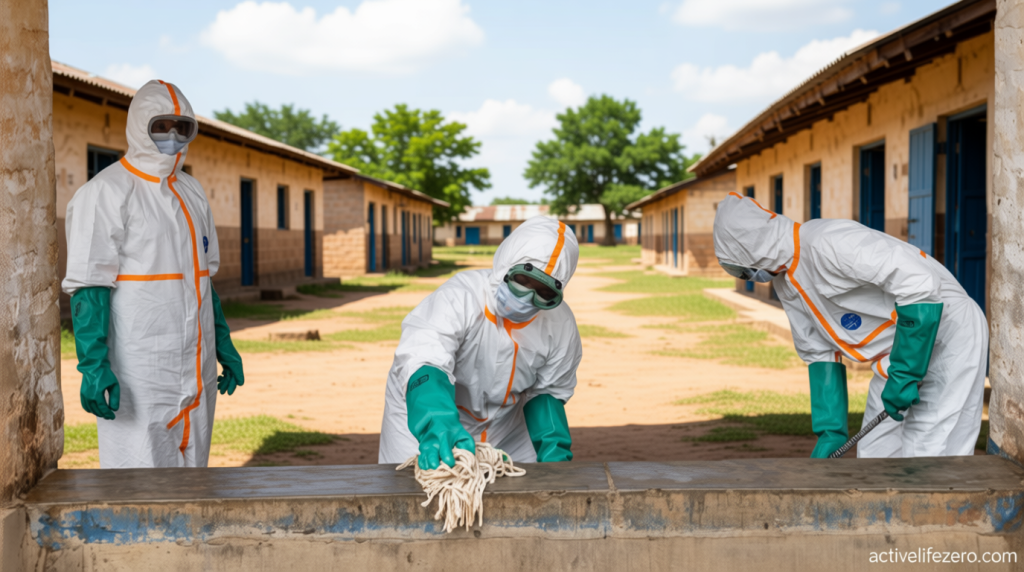
Trump Administration Plans to Send Americans Exposed to Ebola in Africa to Kenya for Care
Americans exposed to Ebola in Africa – The Trump administration has announced a strategy to relocate Americans exposed to Ebola in Africa to a dedicated medical facility in Kenya, aiming to safeguard U.S. citizens from potential outbreaks. This decision comes amid ongoing concerns about the spread of the virus in the Democratic Republic of Congo, where cases have surged in recent weeks. By establishing a specialized care center in Kenya, officials hope to isolate infected individuals and prevent them from entering American territories, reducing the risk of community transmission.
Kenyan Facility for American Patients
Under the new plan, Americans who may have contracted the Ebola virus but are not yet symptomatic will be transported to Kenya for treatment. The facility is designed to provide immediate care and quarantine, ensuring a controlled environment for monitoring and managing the disease. Officials emphasized that this initiative reflects a proactive approach to international health security, allowing for rapid response to potential cases without overburdening U.S. healthcare systems.
Collaboration between the U.S. State Department, the Department of Health and Human Services, and the Pentagon is central to the operation. This joint effort underscores the administration’s focus on leveraging global partnerships to address health crises. However, some experts argue that the U.S. already possesses the infrastructure to handle Ebola cases domestically, questioning the necessity of sending patients abroad.
Concerns Over the Decision
Critics, including former U.S. officials, have raised concerns about the plan’s implications. Jeremy Konyndyk, a former director of U.S. foreign disaster assistance, called the move “a slap in the face to the American healthcare system.” He noted that existing Ebola treatment centers in the U.S. are well-equipped to manage cases, suggesting the new facility could be seen as a political gesture rather than a practical solution.
Additionally, Dr. Krutika Kuppalli, an infectious disease specialist, described the initiative as “insane,” highlighting its potential to undermine global efforts in combating the virus. She argued that the decision prioritizes American interests over the broader international response, risking a perception of the U.S. as a self-serving actor in global health crises.
Kenya’s Perspective
The Kenyan government has welcomed the collaboration but expressed cautious optimism about the facility’s impact on local healthcare. Officials stated that the center will comply with national protocols and will not compromise the care of Kenyan citizens. Nonetheless, some locals question whether the facility will be accessible to all patients or exclusively serve Americans, raising equity concerns in the healthcare system.
Residents like Robert Kiberenge have voiced their apprehensions, asking if the U.S. is “sending the message that American lives are more valuable.” The plan’s exclusivity could spark debates about resource allocation and the extent to which Kenya is being utilized as a strategic location for U.S. health security. Despite these concerns, the administration maintains that the facility is a vital tool in protecting its citizens.
Evacuation and Screening Measures
As part of the broader strategy, the U.S. has enhanced its screening protocols for travelers returning from Ebola-affected regions. Americans exposed to the virus in Africa are being directed to specific airports—Atlanta, Houston, and Dulles—for health assessments. These measures are intended to streamline the process of identifying and isolating infected individuals before they reach the U.S.
Recent evacuations, such as those of two American doctors from the Democratic Republic of Congo, demonstrate the administration’s commitment to swift care for U.S. nationals. While the Kenyan facility is expected to handle similar cases, its implementation raises questions about the long-term effectiveness of this approach in managing global health threats.
