
Can you bring a legendary airline back to life? Pan Am is about to find out
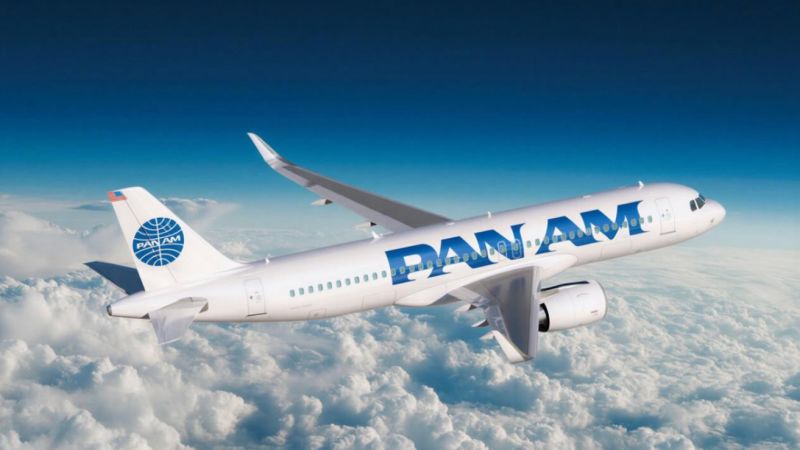
Can you bring a legendary airline back to life? Pan Am is about to find out
Can you bring a legendary airline – Almost a century after its founding, the Pan Am brand is experiencing a renaissance. In February 2024, a coalition of investors, led by Californian entrepreneur Craig Carter, acquired the iconic airline’s trademark and intellectual property for an undisclosed sum. The goal? To rekindle the Pan Am legacy, not just as a nostalgic reminder of the past, but as a thriving modern enterprise. The revival effort has already sparked buzz, with the airline’s backers envisioning a future where Pan Am’s presence is felt in hotels, lounges, restaurants, and even the skies again. But can this historic aviation icon truly reclaim its former stature in the 21st century?
The Golden Age of Pan Am: A Pioneer in Global Aviation
Pan Am, originally known as Pan American Airways, has long been celebrated as a cornerstone of aviation history. Established in 1927, it played a pivotal role in shaping the modern air travel landscape. Under the guidance of Juan Trippe, the airline’s visionary founder, Pan Am introduced long-distance routes that spanned the Atlantic and Pacific Oceans, revolutionizing international connectivity. Its commitment to innovation extended beyond routes, as it was critical in the evolution of some of the most groundbreaking passenger aircraft, including the Boeing 707 and the 747 jumbo jet. These advancements not only transformed the way people traveled but also established Pan Am as a symbol of American influence abroad.
For nearly four decades, Pan Am dominated the global aviation scene, representing the United States as a powerhouse of international air transport. Its fleet and operations were synonymous with elegance, reliability, and a sense of adventure that captured the imagination of travelers worldwide. The airline’s iconic blue and white globe livery became a visual emblem of a bygone era, when flying was seen as a grand, almost glamorous experience. Yet, despite its achievements, Pan Am’s golden chapter eventually came to an end, with the airline ceasing operations in 1991 due to a mix of internal missteps and external challenges.
The Fall of a Giant: Challenges That Shattered Pan Am’s Legacy
The decline of Pan Am was not sudden but a result of a series of setbacks. By the 1970s, the oil crisis had significantly raised fuel costs, squeezing the airline’s profits. The 1988 Lockerbie bombing, which destroyed a Pan Am flight over Scotland, dealt a psychological blow to the brand. These incidents, combined with shifts in the aviation market and competition from newer carriers, left Pan Am struggling. The company’s strategic decisions, including the shift from transcontinental routes to increasingly expensive international services, further strained its finances. By the time it filed for bankruptcy in 1991, the airline had become a cautionary tale of overreach and market volatility.
Yet, even after its closure, the Pan Am name persisted in the collective memory of aviation enthusiasts. It was not just an airline but a cultural phenomenon, associated with the golden age of air travel—a time when first-class cabins, pre-flight meals, and sophisticated in-flight amenities were the norm. The brand’s enduring appeal has inspired multiple attempts to resurrect it, from themed events to new ventures. The latest endeavor, spearheaded by Carter, aims to transform Pan Am into a lifestyle brand, blending its storied past with contemporary consumer needs.
A New Chapter: Pan Am’s 2024 Revival and the Air Cruise
With the trademark secured, the new Pan Am project has taken its first steps toward redefinition. The initial phase has focused on reviving the brand’s spirit through experiences rather than operations. In June 2025, a Pan Am-branded Boeing 757-200, leased from Icelandair, embarked on a 12-day “air cruise” to iconic destinations that once formed the backbone of Pan Am’s route network. Passengers traveled to Bermuda, Lisbon, Marseille, London, and Shannon, Ireland, paying around $60,000 each to relive the airline’s storied history. Though Carter has not disclosed the exact number of participants, the aircraft was outfitted with 50 full lie-flat seats, offering a luxury experience that mirrored Pan Am’s past.
“The itinerary sold out in three days, proving that the Pan Am brand still has the power to captivate modern travelers,” said one of the project’s advocates. “Even those who never flew with Pan Am in its heyday are willing to invest in the legacy.”
The success of this limited-run venture has given the new owners confidence that their vision could extend beyond a single nostalgic flight. However, the path to a full-scale resurgence is fraught with complexities. While the Pan Am of the past was closely tied to Boeing, its future iteration is now looking toward Airbus. Ed Wegel, an aviation industry veteran and the new airline’s CEO, highlighted this shift in a recent interview. “We’ve identified the Airbus A220 as the most suitable option for our current business model, though we may begin with A320s if they become available.”
The plans for a full-service airline are still in their early stages. Initially, the team envisioned business class-only cabins, but that concept has evolved. Now, the goal is to introduce a three-class service that balances comfort, affordability, and the brand’s premium identity. Wegel acknowledged the challenges of the current aviation landscape, particularly the shortage of available aircraft. “The industry is facing capacity constraints, and that’s one of the biggest hurdles we have to overcome,” he noted. Despite these obstacles, the team remains optimistic about the potential for Pan Am to become a major player again, with aspirations to eventually operate a fleet of 25–30 single-aisle planes and 10–15 widebody aircraft.
The revival effort is not just about nostalgia; it’s about adapting to today’s travel trends. In an era where cost-consciousness often dictates airline choices, Pan Am’s new owners are positioning the brand as a symbol of quality and sophistication. The idea is to create a seamless experience that resonates with both longtime fans and new generations of travelers. Whether this will translate into sustained commercial success remains to be seen, but the enthusiasm for the brand suggests there’s a strong foundation to build upon. As Wegel put it, “The challenge is to ensure that the new Pan Am is more than just a rebrand—it has to be a meaningful reinvention.”
With no official launch date set, the project’s timeline is as fluid as the airline’s original routes. But the initial steps have already demonstrated that the Pan Am name carries weight. From the air cruise to the ambitious fleet plans, the revival is a testament to the enduring allure of a bygone era. While the aviation industry continues to evolve, the spirit of Pan Am’s golden age still finds a way to inspire, proving that even after 30 years of dormancy, the dream of bringing the legendary airline back to life is far from extinguished.
The Road Ahead: From Nostalgia to Global Reach
As the new Pan Am team refines its strategy, the focus remains on blending historical prestige with modern practicality. The airline’s backers are eager to see the brand flourish, but they recognize the need for careful execution. “We’re not just trying to replicate the past,” Wegel emphasized. “We’re building something that honors the legacy while addressing today’s market demands.”
While the prospect of Pan Am returning to the skies is exciting, it requires navigating the complexities of the current aviation environment. From sourcing the right aircraft to crafting a unique service model, the team is working to create a brand that feels both familiar and fresh. The success of the air cruise has been a crucial milestone, but the real test will come with the launch of a regular flight service. For now, the Pan Am story is a blend of history and innovation, with the hope that the legacy of the original airline can be reborn in a way that satisfies both its devoted followers and the broader traveling public.
