
Mortgage rates climb to highest level in 9 months
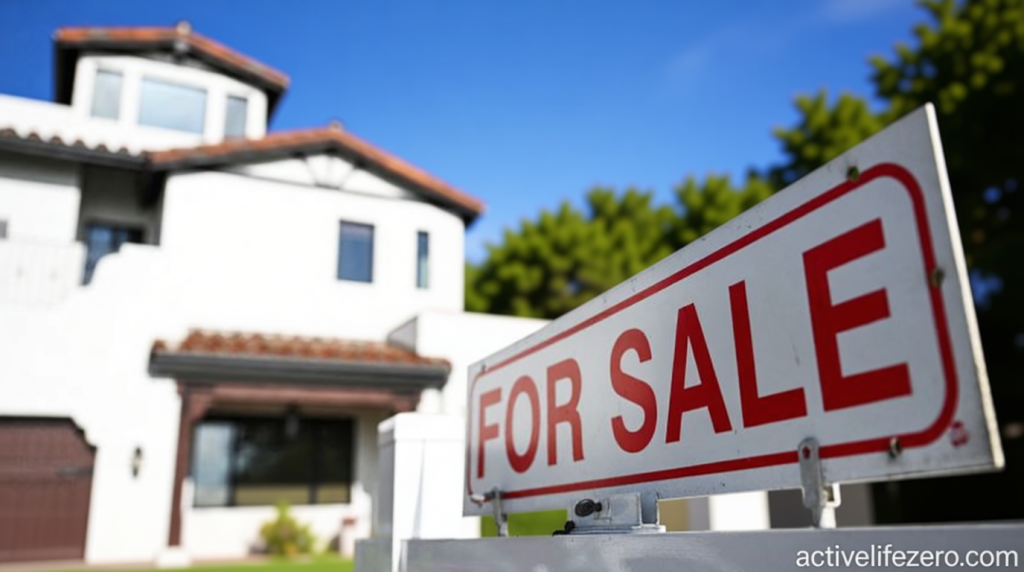
Rising Mortgage Rates Amid Global Uncertainty
Mortgage rates climb to highest level – The bond market’s recent volatility, driven by the Iran conflict, has pushed U.S. mortgage rates upward and raised concerns about the affordability of home purchases. According to Freddie Mac, the 30-year fixed-rate mortgage average hit 6.51% this week, marking the highest level since August of last year. This surge in rates represents the most significant weekly jump since April 2025, when similar market tensions emerged following President Donald Trump’s announcement of sweeping tariff increases targeting nearly all global economies.
Economic Factors Behind the Rate Hike
Mortgage rates are closely tied to the U.S. 10-year Treasury yield, which reflects investors’ expectations for inflation. This week, the yield rose sharply, reaching its highest level in over a year, as uncertainty about rising oil prices and the Middle East conflict heightened fears of prolonged inflationary pressures. The Treasury yield typically moves inversely to bond prices, so its increase signals a loss of confidence in long-term investments, which in turn affects mortgage borrowing costs.
April’s Consumer Price Index data revealed a 3.8% annual increase in prices, the largest since May 2023. This spike underscores the persistent inflationary environment, with wages failing to outpace costs for the first time in three years. The report highlights a growing challenge for households, as living expenses continue to climb despite stable income growth. These trends are amplifying the pressure on mortgage rates, making homeownership more expensive for many buyers.
Market Reactions to Rate Increases
Before the outbreak of the Iran war, mortgage rates had dipped below 6% for the first time in over three years. This decline allowed some borrowers to secure loans at historically low levels, with potential savings for those locking in mortgages during that period. For instance, a $450,000 home purchased at a 30-year fixed rate of 5.98%—the average rate at the end of February—would have required monthly principal and interest payments of about $2,154, assuming a 20% down payment. At the current average rate of 6.51%, those payments would now total roughly $2,278, resulting in an additional $1,488 per year or over $44,640 in total costs over the loan’s lifetime.
Despite the recent rise, mortgage rates remain below their levels from this time last year. In mid-May 2025, the 30-year fixed mortgage averaged 6.86%, a figure that has since decreased. However, the rate adjustments have not fully aligned with some economists’ initial forecasts. The Federal Reserve’s three rate cuts since then have not been enough to offset the upward pressure from global events and inflationary risks, leading to a slower-than-anticipated recovery in the housing market.
Impact on Spring Homebuying Season
Higher borrowing costs and economic uncertainty are beginning to affect the housing market, particularly during the traditionally robust spring homebuying season. April data from the Mortgage Bankers Association shows a 2.4% year-over-year decline in mortgage applications for new home purchases, with a steeper 10% drop compared to March 2026. Fewer applications are translating into reduced home sales activity, as potential buyers delay decisions due to financial concerns.
Existing home sales have also shown signs of weakness, increasing by just 0.2% between March and April after a 3.6% decline in the previous month, according to the National Association of Realtors. This pattern suggests that the market is struggling to rebound from the combined effects of elevated rates and lingering geopolitical tensions. The median existing home sales price in April remained at $417,700, continuing a 34-month streak of year-over-year price gains. While prices have held steady, the increased cost of borrowing is dampening demand, particularly among first-time buyers.
Expert Insights on Homeownership Barriers
“There are two barriers to home ownership that are relevant right now. One is high mortgage rates; the other is uncertainty. When you buy a house, you’re cutting the biggest check you’ve ever cut in your life,” said Brad Case, chief economist at Homes.com. “You have to have a firm foundation to make this big decision, and that’s what people are missing as a result of the moves in rates since the beginning of March, regardless of whether they’re up or down,” he added.
Case’s analysis emphasizes the psychological and financial hurdles facing homebuyers. The combination of rising rates and geopolitical instability is creating a climate of hesitancy, with many households reassessing their ability to commit to long-term mortgages. Even as rates remain lower than they were in 2025, the pace of decline has been slower than anticipated, leaving buyers in a difficult position.
Analysts are closely monitoring the housing market for further signs of strain. With mortgage rates climbing and sales activity subdued, there is a risk that the spring season could see a weaker start than usual. Homebuilders and real estate agents are already reporting reduced inquiries, as potential buyers weigh the costs of financing against the risks of a prolonged economic slowdown. The situation may force more consumers to prioritize affordability over location or other factors, reshaping the dynamics of the housing market.
As the war in Iran continues to influence global markets, its ripple effects are likely to persist in the coming months. The interplay between inflation expectations, bond yields, and mortgage rates will remain critical in determining the path of home prices and buyer behavior. While the current rate environment is more favorable than it was in 2025, the challenge lies in balancing affordability with the uncertainty that has become a defining feature of the economic landscape.
For now, the housing market is navigating a delicate balance between rising costs and stabilizing prices. Buyers are adapting to the new reality, but the long-term implications of this shift could be significant. As the U.S. economy continues to grapple with inflationary pressures and geopolitical risks, the affordability of homeownership will remain a central issue for millions of Americans. The coming months will be pivotal in determining whether the market can recover from these challenges or if further adjustments are needed to restore confidence among potential buyers.
