
White House postpones executive order on AI
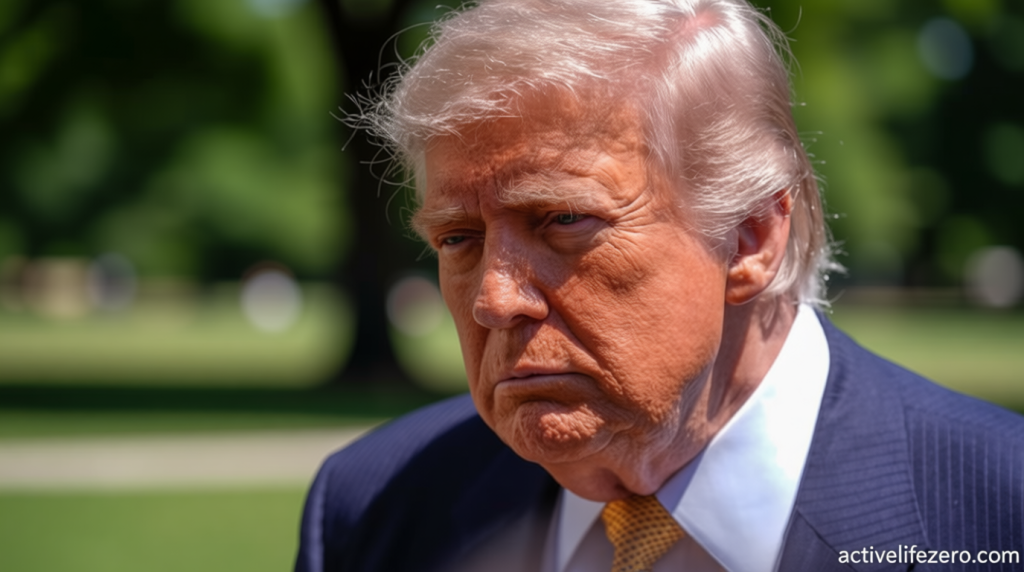
White House Delays AI Executive Order as Trump Expresses Concerns
White House postpones executive order on AI – The U.S. administration, under President Donald Trump, has delayed the signing of an executive order aimed at implementing a voluntary review process for artificial intelligence models before their public release. According to a confidential source, the postponement stems from Trump’s dissatisfaction with specific elements of the proposed directive. The original plan called for the order to be finalized on Thursday, but the signing has been pushed back multiple times, with the latest delay occurring just hours before the anticipated announcement.
“I didn’t like certain aspects” of the order, Trump stated, emphasizing that the directive could hinder progress in the AI sector. He added, “We’re leading China, we’re leading everybody,” suggesting that the proposed framework might unnecessarily complicate U.S. leadership in technological innovation. “I really thought that could’ve been a blocker, and I want to make sure that it’s not,” the president explained, highlighting his focus on minimizing bureaucratic hurdles.
The executive order was intended to require major AI developers to submit advanced models to a government review process, allowing for early evaluation of potential risks. Two insiders revealed that the plan included a voluntary agreement where companies would share unreleased AI versions with federal agencies, providing them time to assess security vulnerabilities before public deployment. However, the exact duration of this pre-launch review remained contentious, with industry representatives and government officials debating the optimal timeframe.
Industry leaders, including OpenAI and Anthropic, had been collaborating with the White House to refine the order. While one version proposed a 90-day review period, some companies argued for a more expedited process, such as a 14-day window, to align with their rapid development timelines. The White House, aware of these differing perspectives, had been working to balance the interests of regulators and innovators. Despite the delays, the administration remains committed to enhancing oversight without stifling growth.
Structure and Key Provisions of the Executive Order
The executive order was drafted with two distinct components: one focused on cybersecurity and the other on “covered frontier models.” According to a third source, the latter section outlines criteria for which AI models would qualify for the voluntary review framework. This part also specifies that eligible models could undergo up to 90 days of pre-public access scrutiny by the government. The cybersecurity portion, meanwhile, establishes a clearinghouse to identify and address vulnerabilities in unreleased AI systems, involving the Treasury Department, federal agencies, and private sector partners.
One of the order’s key provisions is the expansion of the U.S. Tech Force, a group of engineers tasked with modernizing government computer systems. The directive calls for increased staffing to ensure these systems can effectively monitor and mitigate risks posed by emerging AI technologies. The clearinghouse would serve as a collaborative platform, enabling the government to work closely with AI developers to enhance security protocols before models are released to the public.
Experts warn that advanced AI models have the potential to significantly amplify cyber threats. By allowing early government review, the order could provide critical time to identify and neutralize risks before they escalate. This aligns with broader efforts to safeguard national security and public safety in the digital age. However, Trump’s delay has introduced uncertainty, prompting discussions about whether the framework should be adjusted to better reflect the administration’s priorities.
Industry Engagement and Strategic Adjustments
OpenAI and Anthropic have been central to these discussions, engaging with the White House to shape the directive. Anthropic, for instance, has been testing its Mythos model, which it claims can exploit cybersecurity weaknesses at an unprecedented rate. While the model has not been publicly launched, the company is offering controlled access to a select group of partners through its Project Glasswing initiative. This approach allows the government and other entities to evaluate the model’s capabilities without full public exposure.
Similarly, OpenAI has been granting early access to its latest AI models to businesses and governments, helping them strengthen their defenses against potential cyberattacks. This strategy reflects a growing trend among AI leaders to work closely with regulators, ensuring that their innovations can be monitored and adapted to meet evolving security standards. However, the delay in signing the executive order has given these companies additional time to refine their approaches and align with the administration’s vision.
The Department of Commerce’s National Institute of Standards and Technology (NIST) had previously announced that major tech firms would share unreleased AI models with the government for national security evaluations. This initiative, however, is no longer prominently featured on the Commerce Department’s website, indicating a shift in the administration’s focus or a reevaluation of the program’s scope. The White House has not provided official comments on the matter, leaving the public to speculate about the reasons behind the delay and the revised plan.
As the debate continues, the administration faces the challenge of maintaining momentum in AI regulation without alienating key stakeholders. The voluntary framework aims to strike a balance between accountability and innovation, but Trump’s concerns underscore the political considerations influencing the process. Analysts suggest that the delay may allow for further negotiations, ensuring that the final order reflects a consensus between the government and the tech industry. With AI becoming increasingly integral to national security, the timing of such policies will be crucial in shaping the future of the sector.
