
Global scramble to contain new Ebola outbreak as US looks to relocate ‘small number’ of citizens affected
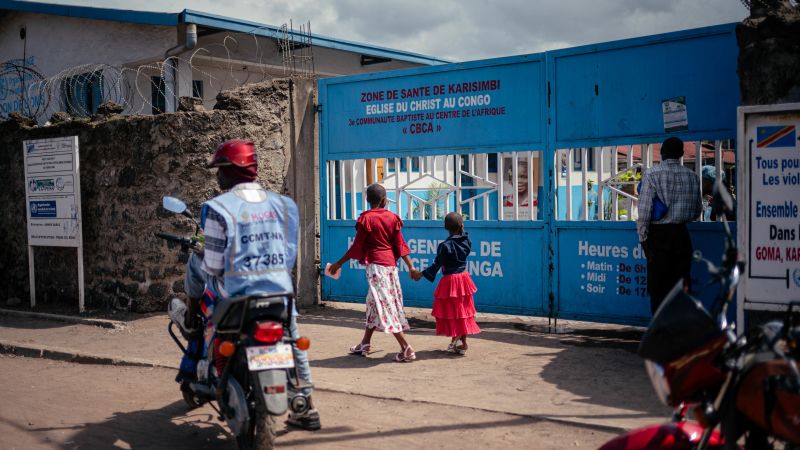
Global Response Intensifies as Ebola Spreads Across DRC and Uganda
Global scramble to contain new Ebola – As the Ebola virus continues to spread in the Democratic Republic of Congo (DRC) and Uganda, international agencies and governments are accelerating their efforts to curb the outbreak. The World Health Organization (WHO) has classified the current epidemic as a “public health emergency of international concern,” highlighting its rapid escalation despite not yet meeting the threshold for a “pandemic emergency.” Officials emphasize that the high number of infections and deaths, coupled with the virus’s potential for further expansion, necessitates a coordinated global effort to prevent widespread transmission.
The outbreak has infected hundreds of individuals and is reported to have caused dozens of suspected fatalities, according to recent assessments. The WHO notes that the disease is now affecting remote regions of the DRC’s northeastern Ituri province, where health systems face significant challenges. In Uganda, the situation has also intensified, with two confirmed cases, including one fatality, recorded in the capital city of Kampala. These cases, though isolated, have raised alarms among health experts.
Dr. Satish Pillai, the CDC’s Ebola Response Incident Manager, stated that the agency is actively evaluating the risk to U.S. citizens in the region. While the CDC has not disclosed the exact number of Americans at risk, it confirmed that resources are being deployed to assist with containment efforts. This includes enhancing surveillance, tracking contacts, and conducting laboratory tests. The agency plans to send additional support from its headquarters in Atlanta to bolster the response. Pillai also noted that the CDC is not yet aware of any infections among travelers on international flights, citing existing exit screening protocols in both the DRC and Uganda as a key measure to limit spread.
“The two confirmed cases in Kampala have no known connection to each other, which is ‘often a warning sign that the outbreak in the DRC is larger than health authorities can currently see,’” said Adrian Esterman, a professor at Adelaide University, in a statement. This observation underscores the growing concern that the outbreak may be more extensive than initial reports suggest.
The strain responsible for the latest outbreak, Bundibugyo, is one of several Ebola viruses known to cause severe illness. Unlike other strains, there are currently no approved treatments or vaccines specifically targeting Bundibugyo, according to the WHO. This lack of targeted interventions adds urgency to containment measures, as the virus’s fatality rate is estimated between 25% and 40% by organizations such as Médecins Sans Frontières (MSF).
Health experts warn that the virus spreads through direct contact with bodily fluids, including blood and secretions, and can be transmitted via contaminated surfaces or deceased individuals. Symptoms typically include fever, muscle aches, and a rash, with some cases leading to internal or external bleeding. The rapid progression of the disease in affected areas has prompted calls for immediate action to prevent further outbreaks.
Amid the crisis, the U.S. Department of State has paused visa services in Kampala as a precautionary measure. The decision follows reports that several Americans in the DRC may have been exposed to the virus, including those in high-risk categories. While CNN has yet to confirm these details independently, the CDC is working closely with local governments to relocate affected citizens and monitor the situation. Dr. Pillai declined to specify whether any Americans had been infected, stating, “We are actively assessing the situation on the ground and will not comment on individual cases unless necessary.”
The DRC’s health minister, Samuel Roger Kamba, announced the opening of three new treatment centers in the affected region to improve response capacity. These facilities will play a critical role in managing the surge of patients and isolating the virus. Simultaneously, about seven metric tons of emergency medical supplies, including protective gear, tents, and hospital beds, arrived in Bunia, the Ituri province’s capital, to support frontline efforts. The WHO reported that these supplies are intended to scale up operations and provide essential care to those in need.
Non-governmental organizations, such as MSF, are also preparing to launch large-scale initiatives to combat the outbreak. Their rapid deployment will complement government efforts, particularly in areas where healthcare infrastructure is already strained. The situation is further complicated by the ongoing humanitarian crisis in the DRC’s eastern provinces, where conflict has displaced millions of people and weakened healthcare systems. This makes it harder to detect and respond to the virus, as communities are more vulnerable and mobility is restricted.
As the epidemic evolves, international coordination is being ramped up to address the growing threat. The WHO has urged swift action to contain the virus, noting that the current outbreak could expand beyond the DRC into neighboring regions. While the exact scale of the crisis remains uncertain, the combination of high positivity rates and increasing fatalities in health zones suggests a potential for a much larger outbreak than initially reported.
Experts remain cautious, emphasizing the need for continued vigilance. The Bundibugyo strain’s ability to spread rapidly, combined with the challenges posed by the local context, has created a complex scenario. The CDC’s role in relocating affected Americans highlights the broader concern of how the outbreak could impact global populations, even in areas not directly affected by the virus.
With the situation still unfolding, the WHO and other organizations are urging governments to maintain strict containment protocols. The focus remains on identifying and isolating cases, preventing transmission, and ensuring that healthcare systems can manage the surge in demand. As the world watches the developments in the DRC and Uganda, the stakes are high, and the need for a unified response has never been more critical.
