
The cost of living in the US weighs on Latino voters as economic discontent grows
The cost of living in the US weighs on Latino voters as economic discontent grows
Economic strain reshapes daily routines and family traditions
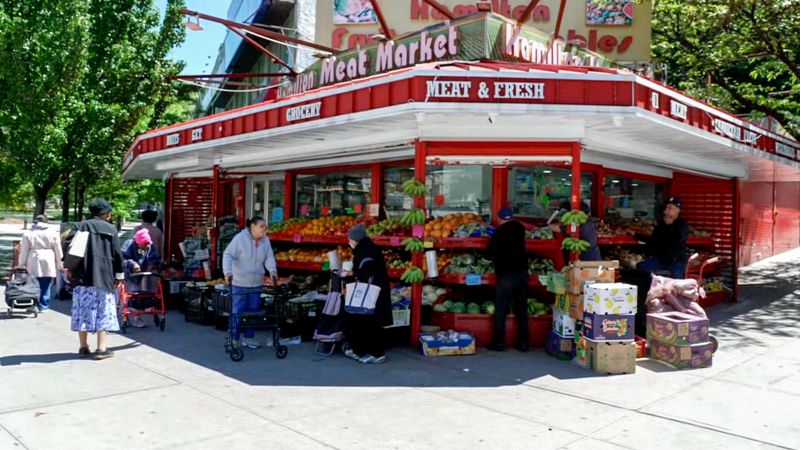
The cost of living in the US – For many in the Latino community, the rising cost of living has become an invisible force altering their lives. At a modest grocery store in Upper Manhattan, José Rosario, a seasoned employee of Hamilton Meat Market, watches as shoppers navigate the same aisles with fewer items in their carts. “Before, with $100, you could fill up a shopping cart,” he notes, observing the shift in purchasing habits. “Now you carry the items in your hand, two small bags at most.” This change reflects a broader trend: as prices climb, so does the need for meticulous budgeting. The impact is felt not only in the wallet but in the everyday routines that define family life.
“There’s almost $20 in here and basically nothing,” said Esmeralda Roustand, a 60-year-old Dominican mother and grandmother, as she stepped out of a Latino supermarket in New York. She clutched a small bag containing two orange juices and a modest chicken meal with green bananas, her expression a mix of exhaustion and disbelief.
Roustand’s story mirrors that of countless others in the community. Her dual role as a home health aide and a provider for her family in the Dominican Republic has grown increasingly challenging. With two adult children and three grandchildren relying on her support, she works hard to stretch her paycheck. Yet, the relentless increase in food, rent, and transportation costs has left her struggling to balance her own needs with her family’s. “No matter how hard you stretch your budget, it’s no longer sufficient,” she explains, highlighting the pervasive sense of financial overwhelm.
Across the city, similar sentiments echo among young professionals like Juan Galván. A college student in New York, Galván has adapted to a life of frugality, often choosing to stay home rather than attend social gatherings. “Every month, I’m forced to decide between splurging on a meal out or covering my rent,” he says. This dilemma, once unthinkable, now dictates his choices. The pressure isn’t just about survival—it’s about maintaining a semblance of normalcy in a world where expenses outpace income.
Latino households bear a heavier burden of inflation
The concerns voiced by individuals like Roustand and Galván are not isolated. A recent CNN poll underscores the depth of this issue, revealing that the cost of living and inflation remain top priorities for American voters ahead of the midterm elections. The survey highlights a stark divide in economic sentiment, with 70% of respondents disapproving of President Donald Trump’s economic management. Over seven in ten express dissatisfaction with his approach to inflation and gas prices, a reflection of the tangible hardship faced by many.
Annual inflation surged to 3.8% in April, according to the latest Consumer Price Index report from the Bureau of Labor Statistics. Meanwhile, the national average gas price has crossed $4.50, a figure that now shapes decisions for households across the country. Yet, for Latino communities, these statistics carry a more profound weight. Michael Negrón, a senior fellow at the Center for American Progress and former White House economic adviser under President Joe Biden, argues that inflation disproportionately impacts this demographic. “Latinos are being particularly affected by the inflation we’re seeing,” he explains, emphasizing the unique challenges they face.
Negrón points to data showing that Latino households allocate a larger share of their budgets to essentials. On average, Hispanics spend 15% of their income on food, compared to the national average of around 10%. Energy costs also consume a significant portion, with Latinos spending roughly 8% of their earnings on utilities—a rate higher than other groups. These figures, he notes, are exacerbated by the fact that many Latino households rely on vehicles for daily commutes, often traveling longer distances to reach work. “When gas prices rise 40% or 50%, it affects everyone, but Latinos feel the hit more acutely,” Negrón adds.
“If you go grocery shopping, food is expensive, and don’t even get me started on housing,” said Roustand. “You can’t afford an apartment because they’re extremely expensive.”
The consequences of these financial strains are visible in the way people shop. Rosario, who has worked at the butcher shop for seven years, recalls the days when a single papaya cost just 99 cents. Now, the same fruit commands $1.99, forcing customers to ration or seek smaller portions. “Sometimes people ask for it to be cut into pieces so they can afford to take some home,” he says, illustrating the desperation that fuels these adjustments. Even simple items like lemons have seen dramatic price increases, with a pair now costing a dollar instead of the five for that price just a year ago.
Family traditions under threat from rising costs
The ripple effects of inflation extend beyond immediate expenses, touching on cultural and social practices. María Sofía González, an Ecuadorian mother, shares how the high cost of living has disrupted family traditions. “We’ve had to give up certain little pleasures,” she says, referencing outings and gatherings that were once staples of their routine. “Going out, for example—whenever we could, we used to do it, but now we’re often too stretched to make it happen.”
This shift underscores the emotional toll of economic hardship. For families that have long prioritized community and togetherness, the burden of costs can feel like a quiet erosion of identity. “It’s not just about money,” González adds. “It’s about the moments that once felt normal but now require careful calculation.” Her words highlight a growing awareness among Latinos that the economic crisis is reshaping not only their financial realities but their very way of life.
Experts like Negrón attribute this disparity to structural factors. Latino households often have less disposable income, with a significant portion allocated to necessities like food and energy. This makes them more vulnerable to price fluctuations. “When the prices of basic needs—food, electricity, and gasoline—rise the fastest, the impact on families is significant,” he explains. The combination of higher costs and stagnant wages creates a cycle of financial stress that is hard to break.
For many, the experience is summarized by the phrase “every day you spend more for less.” This sentiment captures the essence of the current economic landscape, where inflation has transformed the value of money. As people navigate this reality, they are increasingly looking for ways to adapt, whether through cutting back on non-essential purchases or rethinking how they allocate resources. The result is a community that is both resilient and deeply affected by the pressures of rising living costs.
Political implications of economic hardship
The growing economic discontent among Latinos is not just a personal struggle—it’s a political one. With the midterm elections approaching, the impact of inflation and the cost of living is likely to shape voter behavior. “Americans’ anger about the economy hits Trump and Republicans’ midterm prospects,” Negrón observes. The Latino community, which has historically been a key voting bloc, may now be more inclined to support candidates who prioritize their concerns.
As the situation continues to evolve, the challenge for policymakers is to address these disparities. The stories of individuals like Roustand, Galván, and Rosario serve as a reminder that economic data, while important, cannot fully capture the lived experience of those navigating these hardships. Their struggles highlight the need for targeted solutions that recognize the unique financial pressures faced by Latino households. In a country where economic stability is crucial, the cost of living has become a defining issue for a growing segment of the population.
The weight of these costs is evident in every corner of daily life. From the empty grocery bags to the quiet sacrifices made at home, Latinos are bearing the brunt of inflation in ways that resonate deeply. As the nation grapples with economic challenges, their voices—once often overshadowed—now carry significant influence. The question remains: will this growing frustration translate into a shift in political allegiance, or will it continue to shape the way communities adapt and endure?
