
US agents arrest tourist after video shows a rock hurled at endangered Hawaii monk seal’s head
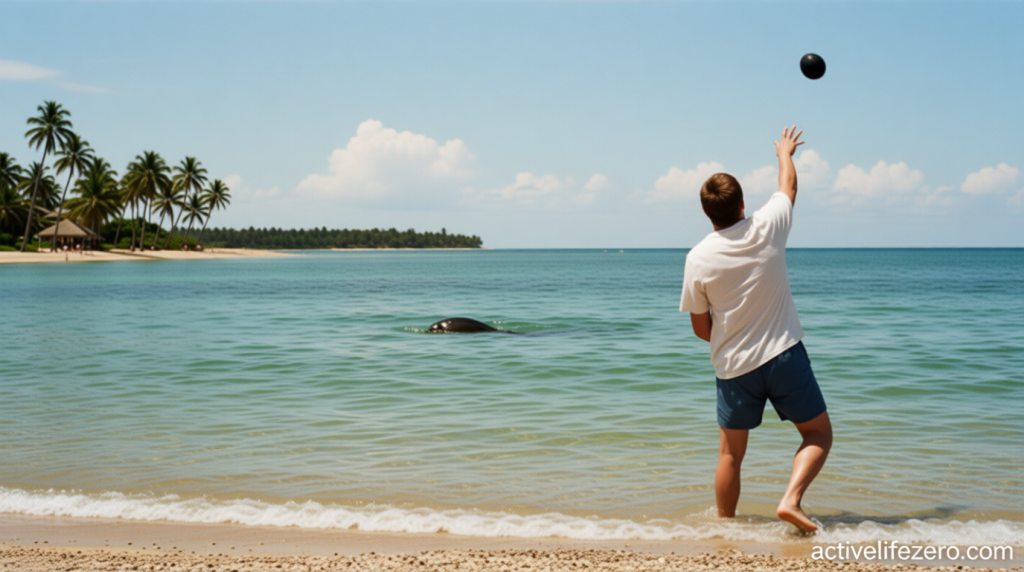
US Agents Arrest Tourist After Video Shows Rock Thrown at Endangered Hawaii Monk Seal’s Head
Incident in Lahaina Sparks Debate Over Wildlife Protection and Human Impact
US agents arrest tourist after video – On Wednesday, federal law enforcement officials in Hawaii arrested Igor Mykhaylovych Lytvynchuk, a 38-year-old tourist from Covington, Washington, following an incident captured on video that depicted him hurling a coconut-sized rock at a critically endangered Hawaiian monk seal. The seal, named Lani, had become a symbol of resilience for the community, particularly after surviving the devastating wildfires that ravaged Lahaina in 2023. The arrest, made by National Oceanic and Atmospheric Administration (NOAA) special agents, occurred near Seattle, where Lytvynchuk was set to appear in court on Thursday. His case highlights a growing concern about human interaction with vulnerable wildlife and the legal consequences of such actions.
According to a criminal complaint filed by the US attorney’s office in Honolulu, Lytvynchuk is charged with both harassing and attempting to harass an endangered Hawaiian monk seal. The incident was brought to light when a witness recorded the act, showing the seal swimming in shallow waters while a man observed from the shoreline. The video, which has since circulated widely, captured the man holding a large rock, aiming, and throwing it directly toward the seal’s head. The rock narrowly missed its target, but the seal’s abrupt change in behavior was clear, as it quickly retreated from the area.
“In the cellphone video, the man can be seen holding a large rock with one hand, aiming, and throwing it directly at the monk seal,” prosecutors stated in the complaint. This description has sparked public outrage, with many condemning the act as a threat to the survival of the species.
While the rock did not strike the seal, the incident underscores the potential harm of human actions to these animals. Hawaiian monk seals, a critically endangered species, are already facing significant challenges due to habitat loss, pollution, and climate change. The seal population is estimated at just 1,600 individuals in the wild, making each encounter with a human critical. The witness, who provided the video, described the rock as being the size of a coconut, emphasizing the force behind the throw and its impact on the animal’s natural movements.
The arrest followed an investigation by the state Department of Land and Natural Resources, which was prompted by a report of seal harassment in Lahaina. This coastal community, once a thriving hub, was largely destroyed by a wildfire in 2023 that claimed dozens of lives and displaced thousands. For many residents, Lani’s presence—a seal that had been spotted in the area after the disaster—was a source of comfort and hope. Its return symbolized a fragile recovery and a reminder of the interconnectedness between humans and nature.
When confronted by the witness, Lytvynchuk reportedly dismissed the act, stating that he did not care about the consequences and was confident in his ability to afford any fines. This comment, relayed in the complaint, has fueled further criticism, as it suggests a lack of awareness or concern for the seal’s plight. The incident has also reignited discussions about the importance of protecting endangered species, particularly in areas where tourism and recreation intersect with natural habitats.
Mayor’s Advocacy for Wildlife Protection
Maui Mayor Richard Bissen has publicly endorsed the charges, calling them a necessary step to deter cruelty toward protected wildlife. “Lani’s return after the wildfires brought a sense of healing and hope during a difficult time,” Bissen stated in an emailed statement. He emphasized that the seal represents a shared value among people: the instinct to safeguard what is vulnerable. “This case sends a clear message that harm to protected species will not be overlooked,” he added, underscoring the role of local and federal authorities in enforcing conservation laws.
Bissen also highlighted his efforts to support the prosecution, reaching out to the US attorney in Honolulu to ensure the case was prioritized. His advocacy reflects a broader trend of leaders using such incidents to rally public support for environmental protection. The mayor’s comments align with the public’s growing demand for stricter measures to prevent harm to native wildlife, especially in the wake of recent ecological disasters.
Legal Consequences and Conservation Laws
If found guilty, Lytvynchuk could face up to one year in prison for each charge of harassing an endangered species. Additionally, he may be fined up to $50,000 under the Endangered Species Act and another $20,000 under the Marine Mammal Protection Act. These penalties highlight the severity of the offense and the legal framework designed to shield wildlife from human interference.
The case also brings attention to the broader implications of such actions for conservation efforts. Hawaiian monk seals, which are native to the Pacific Ocean, are particularly sensitive to human activity due to their small numbers and the threats they face. The NOAA, which led the arrest, has long worked to protect these seals through research, habitat preservation, and public education. This incident serves as a stark reminder of the need for vigilance in maintaining these protections, even in moments of casual recreation.
While the rock missed its target, the act of throwing it at the seal demonstrates a disconnect between human behavior and the ecological significance of such actions. The witness video has become a focal point for conservation advocates, who use it to illustrate the impact of individual choices on entire species. “This moment is not just about one seal—it’s about the collective responsibility we share to protect the natural world,” said one environmental group representative, though no direct quote is provided in the original text.
The legal proceedings against Lytvynchuk are expected to set a precedent for future cases involving endangered species. As the trial approaches, attention will likely shift to the evidence presented, including the video and testimony from the witness. The case also raises questions about the role of tourism in wildlife conservation, with some calling for stricter guidelines to prevent similar incidents. Meanwhile, Lani remains a symbol of hope, its survival a testament to the resilience of nature and the importance of human stewardship.
With the trial scheduled to begin in Seattle, the community watches closely as the case unfolds. For those who have come to see Lani as a beacon of recovery, the arrest serves as both a punishment and a preventive measure. It reinforces the idea that even small acts of cruelty can have far-reaching consequences for endangered species. As conservationists and lawmakers continue their efforts, the hope is that this incident will inspire greater awareness and respect for the wildlife that shares our planet.
