
Hantavirus-hit cruise ship arrives in Tenerife, passengers expected to return home
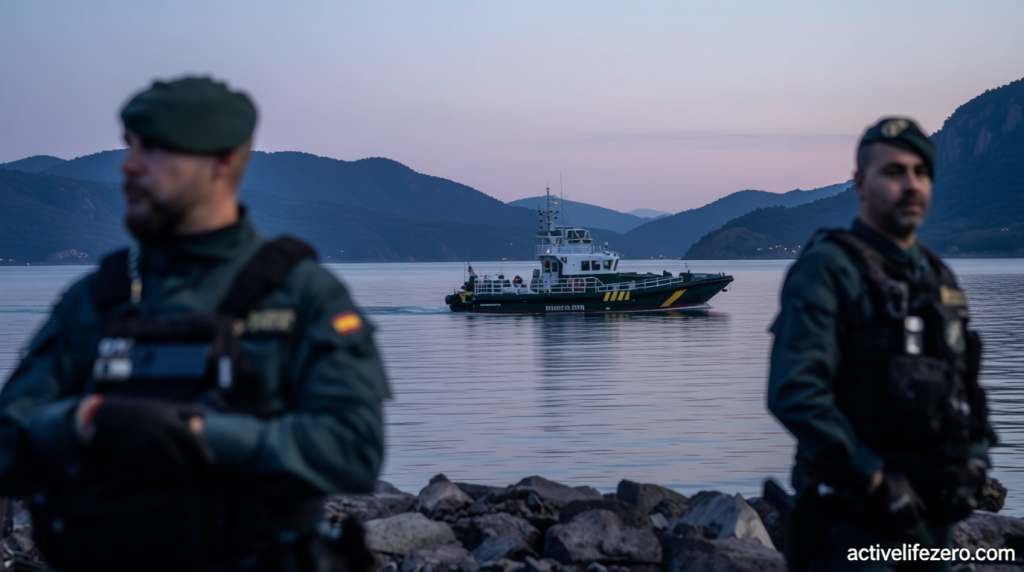
Hantavirus-Hit Cruise Ship Arrives in Tenerife, Passengers Set to Begin Disembarkation
Hantavirus hit cruise ship arrives in Tenerife – The MV Hondius, the vessel implicated in a recent hantavirus outbreak, has reached the Spanish island of Tenerife, where its 147 passengers will begin their controlled departure. The ship will anchor at the Port of Granadilla, located in the Canary Islands, as part of a meticulous process to ensure the safety of those disembarking. Officials confirmed that passengers will be returned to their home countries in a phased manner, with health screenings conducted before boarding the smaller boats that will transport them ashore.
Outbreak Linked to Three Fatalities
Since the ship departed Argentina a month ago, three individuals have been connected to hantavirus-related deaths. The disease, which is typically transmitted through exposure to infected rodents’ urine or feces, has caused significant concern among public health authorities. While the majority of passengers have been evacuated for medical care, the exact number of affected individuals remains under review. The vessel is now undergoing further assessments to determine the extent of the outbreak and its potential impact on the broader population.
Local officials emphasized that the MV Hondius will be positioned at “the safest” distance from the dock to minimize risk during the disembarkation. This decision comes after concerns were raised about the ship’s proximity to the port’s infrastructure. Oceanwide Expeditions, the tour operator responsible for the voyage, stated that the process will be organized by nationality, with each group limited to a maximum of 10 people per boat to ensure efficient and safe movement.
Global Efforts to Repatriate Passengers
Multiple countries, including the United States, Germany, France, Belgium, Ireland, and the Netherlands, have mobilized resources to evacuate their citizens from the ship. Aircraft have been dispatched to coordinate with the disembarkation schedule, allowing passengers to be transferred to their respective nations. The tour operator noted that luggage will remain on board and be sent back to passengers later, as the focus shifts to prioritizing medical and safety protocols.
For American passengers, the process has been streamlined. The 17 U.S. nationals on board will be transported to the University of Nebraska Medical Center, which houses the National Quarantine Unit. A Centers for Disease Control and Prevention official stated that these individuals will undergo initial evaluation at the facility before returning home for a 42-day monitoring period. During this time, they will be required to undergo daily health checks to track any potential symptoms or complications.
Spain’s Role in the Evacuation
Spain’s health ministry has taken a proactive approach in managing the departure of its 14 passengers. These individuals will be the first to leave the ship, as outlined by Mónica García, the country’s health minister, who stated that all participants will wear FFP2 masks to reduce the spread of the virus. They will be transported to a military hospital in Tenerife, where they will be placed in individual rooms to prevent cross-contamination. Upon arrival, each passenger will undergo a PCR test, followed by a second test seven days later to confirm their condition.
Despite the organized efforts, tensions have emerged in the Canary Islands. The territory’s leader, Fernando Clavijo, had previously expressed opposition to the ship docking in Tenerife, citing concerns about public health and communication gaps. Port workers have also staged protests, highlighting their dissatisfaction with the lack of information provided about the potential risks associated with the vessel’s presence. These disputes underscore the complexity of managing such an outbreak in a region already dealing with its own health challenges.
International Collaboration and Next Steps
The coordinated evacuation reflects a broader international response to the crisis. Health officials from various nations have worked together to establish a clear plan for repatriation, ensuring that each passenger’s needs are met. The ship’s crew will remain on board after the passengers are transferred, with the vessel set to proceed to Rotterdam, Netherlands, for a full disinfection process. This step is critical to eliminate any lingering traces of the virus and prepare the ship for its next voyage.
The World Health Organization has classified the outbreak as a low risk to the general public, though the situation remains under close scrutiny. The agency noted that while the virus has spread among the passengers, there is no evidence of community transmission on land. Public health experts are monitoring the development of the outbreak and are ready to implement additional measures if necessary. The WHO’s assessment provides reassurance, but the incident has prompted renewed discussions about the safety of cruise ships and the need for stricter protocols during long voyages.
Logistical Challenges and Passenger Concerns
Logistics have played a central role in the unfolding crisis. The careful sequencing of disembarkation ensures that passengers are moved efficiently while minimizing exposure risks. For example, the initial group of 14 Spanish nationals will be prioritized, followed by the evacuation of other passengers in small batches. This method allows for better control over the movement of individuals and reduces the likelihood of overcrowding in the port’s facilities.
Passengers have shared mixed reactions to the situation. While some have expressed relief at being able to return home, others have voiced apprehension about the long-term effects of the virus. The 42-day monitoring period, in particular, has raised questions about the balance between public health safety and passenger convenience. Health officials stress that this measure is essential to ensure no cases go undetected, especially given the incubation period of hantavirus.
As the MV Hondius prepares to complete its journey to Rotterdam, the focus remains on the well-being of the passengers and the crew. The ship’s operator has assured that all necessary precautions will be taken to prevent the virus from spreading further. The outbreak has also sparked a broader conversation about the role of international travel in disease transmission, prompting calls for enhanced health protocols on board cruise ships. With the global response continuing, the hope is that this crisis will be contained swiftly and without further complications.
“The sequence of disembarkation will be coordinated with arriving repatriation flights,” Oceanwide Expeditions stated in a press release. This remark highlights the collaborative nature of the effort, as nations work together to ensure the safe and timely return of their citizens.
CNN’s Adam Cancryn, Brenda Goodman, Jennifer Hansler, Deidre McPhillips, and Christian Edwards contributed to this report, providing updates on the evolving situation. Their coverage has been instrumental in keeping the public informed about the measures being taken to manage the outbreak and the impact on travelers. As the MV Hondius prepares for its next phase, the world watches closely to see how this event shapes future travel safety standards.
