Where Trump sees a deal, Putin sees a win for Russia

Daftar Isi
Trump’s Push for a Ukraine Deal Meets Putin’s Different Calculation
Activelifezero.com – Donald Trump’s drive to end the war in Ukraine rests on a belief that a negotiated settlement could quickly stop the bloodshed and unlock economic opportunities. For Vladimir Putin, however, the conflict appears to remain tied to larger strategic ambitions that money, sanctions relief and diplomatic outreach have not shifted.
That difference in outlook has repeatedly frustrated efforts to move toward a settlement as the war enters its fifth year. Trump has often portrayed an agreement as both morally urgent and economically sensible: an end to the deaths of thousands of young people on the battlefield, followed by renewed commerce between Washington and Moscow.
But the Kremlin has shown little readiness to abandon its central demands. Russia continues to seek control over all of the Donbas region in eastern Ukraine and wants influence over Ukraine’s future security arrangements. Those objectives make a rapid compromise far more difficult than a transaction focused primarily on lifting sanctions or expanding trade.
A St. Petersburg Test of the Peace Process
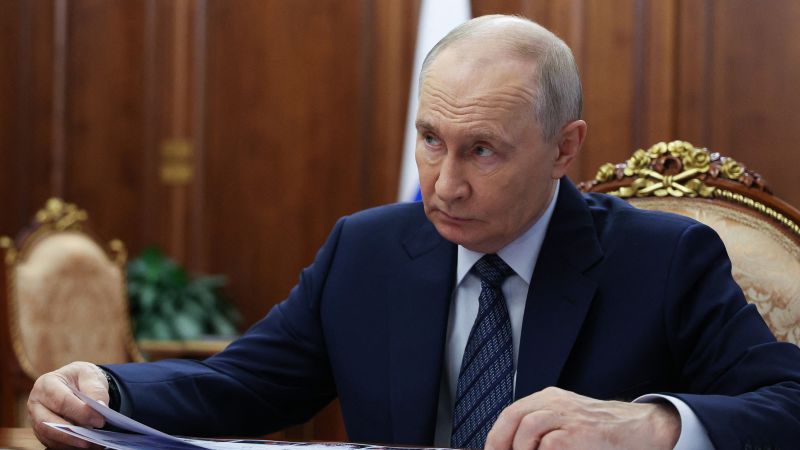
The divide was evident when Steve Witkoff, Trump’s special envoy, met Putin in St. Petersburg. Witkoff arrived to gauge whether a new proposal could provide a foundation for peace negotiations. The discussion followed meetings in Norway involving US, European and NATO officials and Ukrainian President Volodymyr Zelensky, where participants considered potential new ideas, including economic incentives for Moscow.
Putin told Witkoff he was curious about the outcome of those talks. Yet the Kremlin’s reaction afterward offered little sign of a breakthrough. A senior Kremlin aide said the proposals contained little that could truly resolve the war.
“In truth, these contained little of actual value for resolving the Ukrainian crisis.”
The response fit a pattern established throughout the conflict. Moscow has held to its hard-line conditions even as the United States has explored measures that could reduce economic pressure on Russia or create incentives for a political settlement.
Economic Offers and Political Signals
The White House may have expected more flexibility after Trump lifted sanctions on Russian diesel exports the previous week. The move was linked to efforts to ease fuel prices in the United States ahead of the midterm elections, while also providing a significant benefit to Russia’s economy.
Trump later announced an energy ceasefire that ultimately did not succeed. The proposed arrangement would have required Ukraine to stop drone attacks that had damaged Russian oil refineries. During the resulting tensions, US intelligence sharing was affected, and Trump called for changes in Ukraine’s leadership.
Such developments may be interpreted in Moscow less as reasons to make concessions than as evidence that its approach toward Washington is working. The Kremlin has sought to recognize what motivates Trump, particularly his interest in large commercial arrangements and highly visible diplomatic achievements, while maintaining its own military and political aims.
At the St. Petersburg meeting, Putin praised the diesel arrangement and raised the possibility of increasing Russian fertilizer exports to the United States. Kiril Dmitriev, who leads Russia’s sovereign wealth fund and has been a prominent Kremlin contact for Trump administration officials, described a range of potential projects after the three-hour meeting.
“We are also discussing different projects such as data centers, projects in energy and energy cooperation,” Dmitriev said.
These proposals matter because they offer Washington the prospect of a broader economic relationship. Yet they do not directly answer the central question of whether Russia is prepared to adjust the territorial and security demands that have blocked a negotiated end to the war.
Humanitarian Gestures in a Larger Strategy
Economic discussions were not the only element surrounding the meeting. Before Witkoff’s visit, Russia released Stephen Hubbard, a 74-year-old US citizen from Michigan who had been held since his capture in Ukraine in 2022, during the opening phase of Moscow’s full-scale invasion.
Witkoff described Putin as a “humanitarian” after Hubbard’s release. The gesture carried clear personal and diplomatic significance, particularly given concerns that Hubbard had suffered serious health problems while in Russian custody. But it also formed part of a wider effort by Moscow to cultivate goodwill with the White House at a sensitive stage in the peace effort.
Prisoner releases and commercial possibilities can create momentum and reduce hostility. They can also make continued diplomacy easier politically. Still, neither necessarily changes the core dispute over Ukraine’s sovereignty, territory and long-term defense arrangements.
Why a Deal Remains Elusive
Trump’s negotiating instinct treats the war as a conflict in which the right mixture of pressure, incentives and personal diplomacy could produce a practical agreement. Putin’s position suggests that he sees the war through a different lens: as a contest over Russia’s power, Ukraine’s geopolitical direction and the security order in Europe.
That does not mean diplomacy is irrelevant. Talks can help secure humanitarian releases, clarify positions and test whether either side is prepared to move. Russia has indicated a willingness to resume trilateral peace talks in November, creating another opportunity to examine whether discussions can become substantive.
But a lasting agreement would require more than promises of investment, energy cooperation or restored trade. It would demand movement on the issues that have defined the war from the beginning. Until Moscow and Kyiv find a path through those questions, the gap between Trump’s search for a swift deal and Putin’s calculation of strategic advantage is likely to remain the central obstacle to peace.
Related Reading
Frequently Asked Questions
What is Where Trump sees a deal Putin?
Where Trump sees a deal Putin is the main topic of this guide. The article explains the context, practical details, and next steps readers should understand.
Why does Where Trump sees a deal Putin matter?
Where Trump sees a deal Putin matters because readers are looking for a useful answer, not just a short summary. Good content should match search intent and help them decide what to do next.