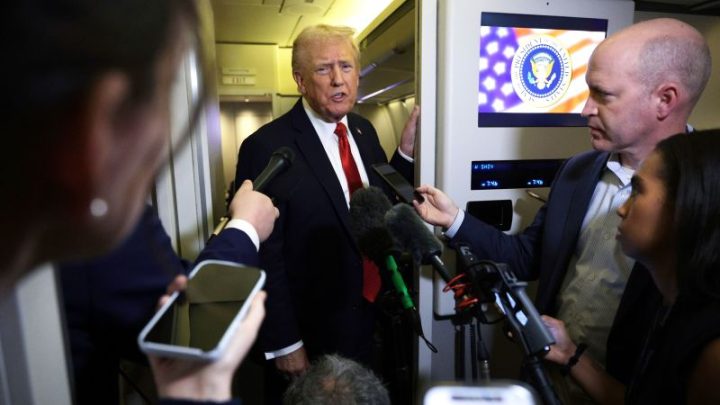
Inside Trump and Mamdani’s 2-hour phone call after the New York City ICE shooting

Daftar Isi
Mayor’s Push for Release Fails After Bronx ICE Shooting
Activelifezero.com – A shooting involving federal immigration agents in the Bronx placed New York City Mayor Zohran Mamdani’s working relationship with President Donald Trump under intense pressure Thursday, as the two leaders spent hours discussing the fate of an injured driver taken into federal custody.
The incident unfolded during a targeted enforcement operation when Immigration and Customs Enforcement agents shot Oscar Belgal, a 28-year-old undocumented immigrant from the Dominican Republic. Belgal was driving with his 5-year-old child in the back seat when officers approached his vehicle. He suffered what officials described as a superficial neck injury.
By Thursday night, Mamdani had turned the episode into an urgent test of his argument that direct contact with a president from the opposing political camp can still produce practical gains for New Yorkers. The mayor sought Belgal’s release and pressed for federal agents to withdraw from the immediate area, while Trump and Homeland Security Secretary Markwayne Mullin sought a path that would place Belgal in New York Police Department custody.
Hours of Talks, No Agreement
Multiple conversations between City Hall and the White House stretched late into the evening. The exchanges remained civil, but the gap between the parties never closed.
Trump and Mullin indicated they could support releasing Belgal from federal custody if the NYPD accepted him and pursued its own case. Mamdani declined to have city police detain him, maintaining that there was no warrant and no legal basis for the NYPD to take him into custody.
“If NYPD wants to take the charges and pursue the charges, we’ll be happy to release him into the custody of NYPD,” Mullin told reporters Friday. “I shared that with the mayor. The mayor once again said we will not be detaining him.”
Mamdani instead proposed that the NYPD lead an investigation into the shooting itself, provided federal agents departed from the neighborhood that evening. Trump continued to urge the mayor to allow an NYPD arrest, but the mayor held his position. The negotiations ended without a deal, leaving Belgal in federal custody.
Mullin characterized the disagreement sharply the following day.
“The mayor was being cordial, but unrealistic,” Mullin said Friday on Fox News.
Federal Claims and City Concerns
The Department of Homeland Security has portrayed Belgal as a serious enforcement target. Officials said he has alleged connections to the Trinitarios gang, a prior grand larceny conviction, and previous arrests involving assault, robbery, drug possession and weapons possession. Federal officials also said he had been under investigation in connection with the shooting of a Customs and Border Protection agent and had avoided immigration agents during an earlier encounter in September.
Marcos Charles, ICE Enforcement and Removal Operations’ executive associate director, said Belgal was associated with a gang linked to thefts involving weapons. Those claims formed a central part of the federal position during the dispute over whether he should remain detained.
For Mamdani, however, the immediate issue involved the circumstances of the shooting, the presence of a child in the car and the limits of local police authority. A person familiar with the discussions said the NYPD could not legally hold Belgal without a warrant or a separate lawful basis for an arrest.
The dispute highlights a recurring challenge for city leaders during federal immigration operations: local officials may face public pressure to respond quickly, yet city agencies and federal authorities operate under different legal powers, priorities and chains of command. A mayor can advocate, negotiate and direct municipal resources, but cannot simply order federal immigration authorities to release someone from their custody.
Pressure on an Unusual Political Relationship
Mamdani and Trump have major ideological differences, particularly on immigration enforcement. Still, the mayor has defended maintaining direct communication with the president as a practical strategy. His position has been that a functional channel to the White House can help New York secure attention and results even when the two leaders disagree on fundamental policy.
Thursday’s events created one of the clearest tests of that strategy. Mamdani had an opportunity to seek an immediate outcome on an issue of high concern to many Democratic voters and immigrant communities: preventing an injured man from remaining in federal custody after an encounter with ICE agents. The talks did not achieve that result.
His aides have pointed to other ways engagement with the administration may have benefited the city. ICE enforcement has increased, but New York has not seen the kind of broad, highly visible operations that have occurred in places such as Michigan and Minnesota. Whether that distinction reflects negotiations, operational decisions or other factors remains difficult to determine from a single incident.
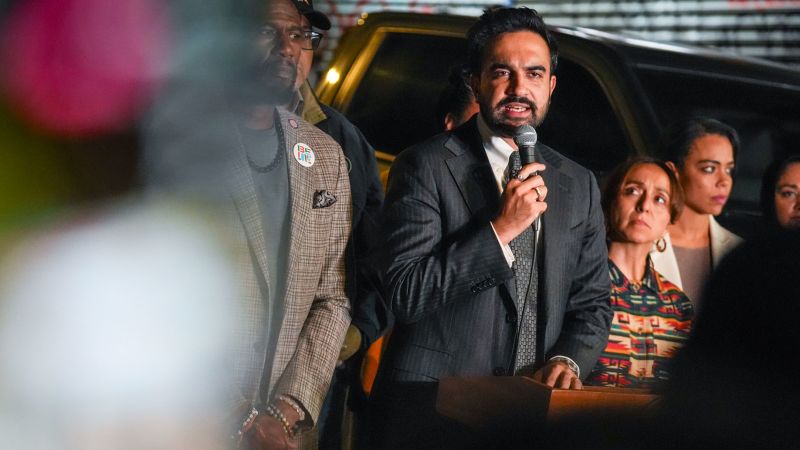
As the calls continued Thursday night, demonstrators gathered near the Bronx scene and clashes broke out with police. Mamdani later arrived for a late-night news conference, where he delivered a forceful denunciation of ICE and its conduct.
“Today’s shooting is only further devastating confirmation of what we have long known: that ICE operates with impunity, that they sow chaos and terror across our country,” Mamdani said.
The confrontation leaves the mayor balancing two competing realities. He has made the case that access to Trump can be useful for New York City, but that access did not produce an agreement in this case. At the same time, his public response signals that keeping communication open does not mean softening his criticism of federal immigration enforcement.
For residents watching the aftermath, the episode raises broader questions about accountability after enforcement operations, the role of local police at scenes involving federal agents and the practical limits of mayoral influence when Washington retains custody of a person. Those questions are likely to remain central as the city assesses both the shooting and the political fallout that followed.
Related Reading
Frequently Asked Questions
What is Inside Trump and Mamdani s 2 hour?
Inside Trump and Mamdani s 2 hour is the main topic of this guide. The article explains the context, practical details, and next steps readers should understand.
Why does Inside Trump and Mamdani s 2 hour matter?
Inside Trump and Mamdani s 2 hour matters because readers are looking for a useful answer, not just a short summary. Good content should match search intent and help them decide what to do next.