Andrew Mountbatten-Windsor takes legal action against UK police over search warrants before arrest

Andrew Mountbatten-Windsor Challenges Police Warrants
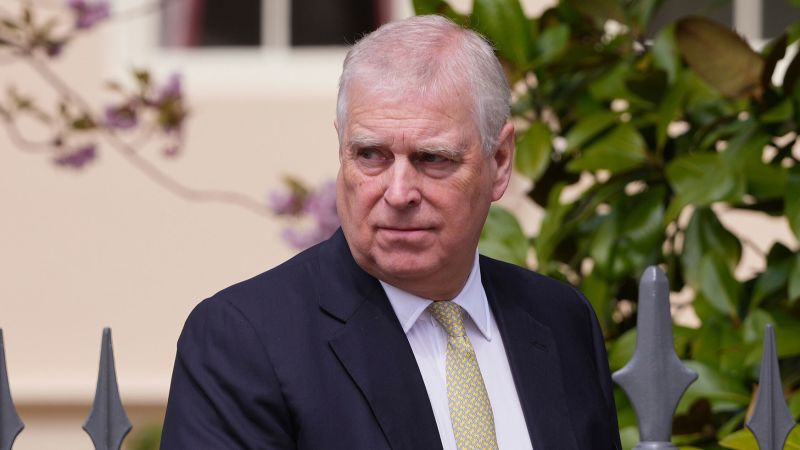
Activelifezero.com – Andrew Mountbatten Windsor takes legal action against UK police over search warrants issued before his February arrest. The case asks a judge to examine whether Thames Valley Police lawfully obtained and carried out searches at two properties linked to the former royal.
Mountbatten-Windsor, 66, is challenging warrants executed at his Sandringham Estate residence in Norfolk and Royal Lodge in Windsor, his former home. A judicial review hearing is scheduled for Thursday.
Case Focuses on Search Warrants
The court action concerns the warrant process, not whether his arrest was lawful or whether he committed an offense. Thames Valley Police said it was involved in proceedings relating to warrants granted by the Central Criminal Court and declined further comment while the case remains before judges.
“Engaged in legal proceedings in relation to warrants previously obtained from the Central Criminal Court.”
Police arrested Mountbatten-Windsor on February 19, his 66th birthday, at his then-new Sandringham home. He was questioned for almost 12 hours at Aylsham police station before being released under investigation.
He has not been charged, and the police inquiry remains open. The arrest involved suspicion of misconduct in public office, linked to questions about whether confidential information may have been shared with Jeffrey Epstein during Mountbatten-Windsor’s roughly decade-long role as the United Kingdom’s trade envoy.
Andrew Mountbatten Windsor takes legal action in a narrow challenge to police procedure. A judicial review considers whether a public authority acted within its legal powers and followed a fair process; it does not decide criminal guilt.
Royal Family Has No Role in Legal Strategy
A royal source said Buckingham Palace is not involved in Mountbatten-Windsor’s legal decisions. The source also said that private financial support from King Charles III, including assistance connected to accommodation at Sandringham, should not fund the warrant challenge.
The case has renewed attention on Mountbatten-Windsor’s long-running association with Epstein. He stepped back from public duties in 2019 after a heavily criticized BBC interview about his friendship with the late financier.
Epstein, a convicted sex offender, died in jail in 2019 while awaiting trial on US federal sex-trafficking charges. Mountbatten-Windsor has consistently denied wrongdoing related to Epstein, denied benefiting personally from his trade envoy role, and said he neither witnessed nor suspected Epstein’s alleged conduct.
In 2025, King Charles removed his younger brother’s title as prince after public reaction to Virginia Giuffre’s posthumous memoir. Giuffre alleged that Mountbatten-Windsor sexually assaulted her when she was a teenager, an allegation he denied; he has also said he never met her. Giuffre died by suicide in April 2025 at age 41.
What Happens Next?
The hearing will consider whether the warrants for the Sandringham and Windsor searches were properly obtained and lawfully executed. If the court identifies problems with the process, it could affect how material gathered during the searches is handled, but it would not automatically end the police investigation.
Andrew Mountbatten Windsor takes legal action while the separate criminal inquiry continues. The court challenge and police investigation are closely connected, but each has a different legal purpose.
FAQ
What is Andrew Mountbatten-Windsor challenging? He is challenging the legality of search warrants used by Thames Valley Police at properties connected to him in Norfolk and Windsor.
Has he been charged? No. He was released under investigation after his February arrest, and police have said their inquiry is ongoing.
Does the court case determine guilt? No. The judicial review examines police procedure surrounding the warrants rather than deciding whether Mountbatten-Windsor committed an offense.