
How to Build Muscle Without a Gym, Tips for Home Workouts
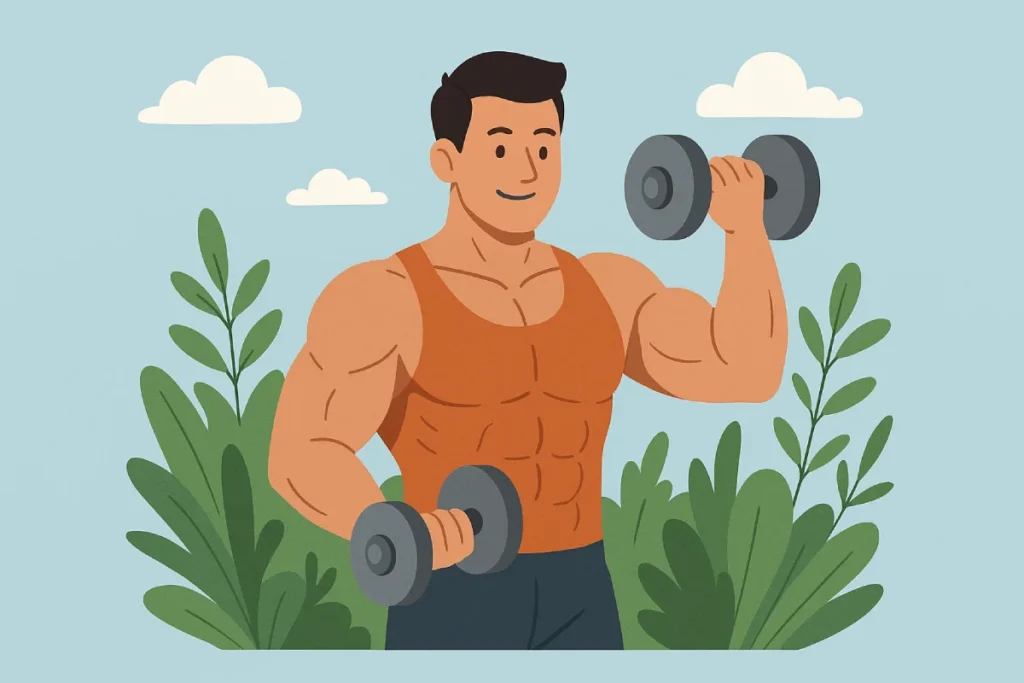
Learn how to build muscle without a gym using effective bodyweight exercises, resistance bands, and household items. Get expert tips on nutrition, rest, and consistency for muscle growth at home.
Building muscle without a gym might sound like a challenge, but it’s entirely possible! Whether you’re short on time, don’t have access to a gym, or simply prefer working out at home, you can still achieve your fitness goals.
Building muscle is more about consistency, smart training, and the right nutrition than it is about expensive gym memberships or fancy equipment. Let’s dive into how you can build muscle without stepping foot inside a gym.
Why Building Muscle Without a Gym is Possible
When most people think about building muscle, they envision lifting heavy weights at a gym. While that’s one way to do it, it’s certainly not the only option. The truth is, muscle growth is about creating tension on your muscles, regardless of the method used to do so.
You don’t need a bench press or squat rack to get stronger. In fact, there are countless exercises you can do at home, in the park, or anywhere with minimal equipment that can lead to impressive muscle gains.
What’s even better? You can build muscle with bodyweight exercises, resistance bands, or even household items, all while avoiding the crowded gyms and long commutes. It’s all about working smart, staying consistent, and making the most of the resources you have at hand.
The Science Behind Muscle Growth
Before jumping into the “how-to,” let’s briefly cover why muscles grow in the first place. To build muscle, you need to create muscle tension by challenging your body in ways that force it to adapt.
This typically happens through progressive overload. Progressive overload means gradually increasing the intensity of your workouts, whether by increasing repetitions, sets, or the weight being lifted.
When muscles are exposed to new challenges, like lifting a heavier object or performing an exercise at a higher intensity, the fibers within the muscles experience microscopic tears. Your body then repairs those fibers, making them thicker and stronger. This process is what leads to muscle growth.
Building muscle also requires proper nutrition, including protein to help repair those muscle fibers, and adequate rest for recovery.
How to Build Muscle Without a Gym
There are plenty of ways to build muscle without stepping foot inside a gym. Let’s break it down step by step, with different methods and strategies that are effective for muscle growth.
1. Bodyweight Exercises
Bodyweight exercises are one of the best ways to build muscle at home. They don’t require any equipment, and you can perform them anywhere, from your living room to a local park. Some of the most effective bodyweight exercises include:
-
Push-ups: Great for building upper body strength, especially your chest, shoulders, and triceps.
-
Squats: Target your legs and glutes, helping you build lower body muscle.
-
Pull-ups or Chin-ups: Excellent for building back muscles and biceps. If you don’t have a pull-up bar, find a sturdy tree branch or playground equipment.
-
Dips: Work your triceps, chest, and shoulders. All you need is a sturdy surface like a bench or chair.
-
Planks: Target your core for better stability and posture.
These exercises can be modified to increase intensity. For example, performing incline push-ups or using one leg for squats can add variety and challenge.
2. Resistance Bands
Resistance bands are lightweight, inexpensive, and incredibly versatile. They come in different resistance levels, so you can adjust the intensity based on your fitness level. You can use them to target nearly every muscle group, from your legs and back to your chest and arms.
For example, use resistance bands for:
-
Squats: Add resistance to your bodyweight squats to target your glutes and legs more effectively.
-
Chest presses: Loop the band around a door and perform chest presses to simulate the motion of a bench press.
-
Rows: Use the band for rows to build your back muscles and biceps.
-
Lateral raises: Strengthen your shoulders by performing lateral raises with a resistance band.
Resistance bands allow you to add variety to your workouts, improving muscle growth by providing different forms of resistance.
3. Dumbbells or Household Items
While dumbbells and kettlebells are often thought of as gym equipment, they can easily be substituted with household items that provide similar resistance.
For example, grab two water jugs or bags filled with books to perform exercises like bicep curls, shoulder presses, or lunges. A backpack filled with heavy items can also serve as a weight vest for squats, push-ups, and other exercises.
Even simple objects like a towel or a chair can be used for exercises that target various muscle groups. For instance, a towel can be used for resistance during curls or tricep extensions.
4. Increase Intensity Over Time
As you become stronger, your workouts will need to get more intense to keep pushing your muscles. This is where progressive overload comes in. The idea is to gradually increase the intensity of your workouts to continually challenge your muscles and encourage growth.
You can increase intensity in several ways:
-
Add more reps or sets to each exercise.
-
Use a slower tempo during exercises to increase time under tension.
-
Modify bodyweight exercises to more advanced variations (e.g., progressing from knee push-ups to regular push-ups and then to archer push-ups).
-
Add external resistance (like resistance bands or household items).
5. Proper Nutrition
Nutrition plays a huge role in building muscle. Without the right nutrients, your body won’t be able to repair muscle fibers and grow stronger. Here are some key nutritional tips to consider:
-
Protein: Protein is essential for muscle repair and growth. Aim for about 1.6 to 2.2 grams of protein per kilogram of body weight each day. Good sources of protein include chicken, fish, tofu, eggs, and legumes.
-
Carbohydrates: Carbs are your body’s main energy source, and they play an important role in fueling your workouts. Opt for whole grains, fruits, and vegetables to get your carbs.
-
Fats: Healthy fats are important for overall health, including hormone regulation, which is essential for muscle growth. Include sources like avocado, olive oil, and nuts in your diet.
-
Caloric Surplus: To build muscle, you’ll need to consume more calories than you burn. Aim for a modest caloric surplus—around 200–300 extra calories per day—to promote muscle growth without gaining excess fat.
6. Rest and Recovery
Building muscle isn’t just about working hard in the gym (or at home). It’s just as important to give your muscles time to recover. Muscles grow during rest, not while you’re working out. Aim for 7-9 hours of sleep each night to allow your body to recover properly.
Additionally, incorporate rest days into your weekly routine. You can train each muscle group 2-3 times per week, but ensure you have at least one day of rest between training sessions to let your muscles repair and grow.
7. Consistency and Patience
Building muscle takes time, and it requires consistency and patience. You won’t see drastic changes overnight, but with regular training, proper nutrition, and enough rest, you will see progress.
Stay committed to your routine, track your progress, and celebrate the small victories along the way.
Nutrition Tips for Building Muscle Without a Gym
Eating for muscle growth doesn’t require a complicated diet. Focus on a balanced and nutritious diet, and remember that consistency is key. Along with the tips above, consider the following:
-
Hydrate: Drink plenty of water to stay hydrated and support muscle function.
-
Meal Timing: Try eating protein-rich meals every 3-4 hours to keep your body fueled for muscle growth.
-
Post-Workout Nutrition: After a workout, aim for a meal or snack with protein and carbohydrates to kickstart muscle recovery.
Building Muscle at Home is Achievable
You don’t need a fancy gym membership or expensive equipment to build muscle. With bodyweight exercises, resistance bands, household items, and a solid nutrition plan, you can achieve impressive muscle growth without stepping foot inside a gym.
Stay consistent, work hard, and enjoy the process—you’ll see the results in time.
