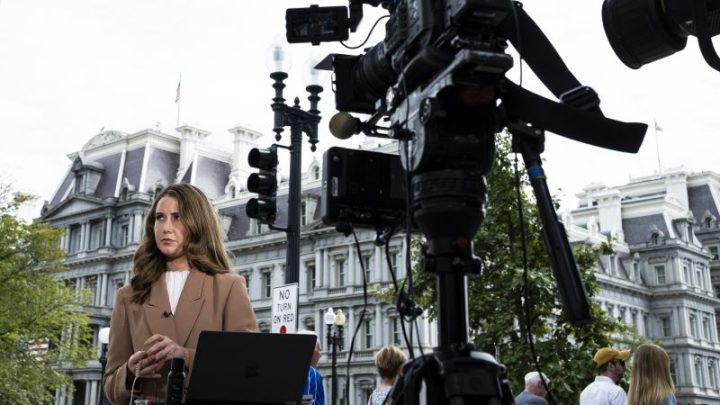
Congress votes to avert government shutdown ahead of midterm elections

Daftar Isi
Lawmakers Sidestep Shutdown Fight as November Campaigns Take Center Stage
Activelifezero.com – With weeks remaining before Americans head to the polls to decide which party controls Congress, the House of Representatives voted Tuesday to keep the federal government funded through December 11. The measure, which clears the path for President Donald Trump to sign it into law, effectively removes the specter of a government closure from the political landscape during the most consequential stretch of the election cycle.
The vote drew broad bipartisan backing and passed without the acrimony that has characterized earlier budget battles this session. Rather than triggering a floor fight or a late-night negotiation, the legislation moved through the chamber with what observers described as muted enthusiasm — a telling signal that members wanted to close out their Washington obligations and return to their home districts for the final weeks of campaigning.
What the Bill Does — and What It Leaves Out
The House acted on a short-term funding package originally crafted by the Senate, which approved its version last month before members departed for the August recess. The measure extends appropriations past the September 30 expiration date, giving agencies a runway into early December while Congress remains in session during the post-election period.
Several provisions distinguish the Senate text from the version the House initially floated. Most notably, the final package omits dedicated funding lines for Immigration and Customs Enforcement and Customs and Border Protection. Those two agencies already carry appropriations that run through the end of the current presidential term, so no additional allocation was deemed necessary. The bill also inserts a temporary suspension of a proposed administration rule that, in the view of budget-watchers and advocacy groups, would deepen the politicization of federal grantmaking by tying award decisions more tightly to executive-branch preferences.
A Session Defined by Budget Turmoil
For the members who served this Congress, funding disputes have been a recurring source of friction. The chamber holds the distinction of presiding over the longest government shutdown in American history — a prolonged closure that stranded federal workers without pay, disrupted airport operations, and forced agencies to furlough staff for weeks. That episode left deep institutional scars and made many legislators wary of repeating the experience, even as partisan incentives repeatedly pushed the budget calendar toward its cliff edge.
The record-setting shutdown also reshaped internal norms. Staffers and members alike developed a heightened sensitivity to the mechanics of continuing resolutions, sequestration triggers, and the precise language of omnibus appropriations. Tuesday’s quiet passage reflects, in part, a shared institutional memory: everyone in the room remembers what happens when the lights go out in the federal government.
Why Timing Matters for the Midterms
November’s elections will determine which party holds the majority in both chambers of Congress. A shutdown unfolding in the final weeks of the campaign would have handed opponents a potent narrative — either that the ruling party was reckless with taxpayers’ money or that it was captive to obstructionist tactics. By resolving the funding question now, both parties avoid handing their rivals a free advertising slot during the most expensive and attention-grabbing phase of the race.
The December 11 expiration date also creates a built-in deadline that forces Congress back to the budget table after the election. Whatever the outcome of November’s contests, the incoming majority will inherit a funding cliff roughly six weeks after inauguration-day preparations begin. That compressed timeline raises the odds of another short-term stopgap or, in a worst-case scenario, a second closure — though the political cost of repeating last year’s episode makes a clean omnibus more likely than many analysts predicted a year ago.
The Campaign Trail Awaits
For the members who cast Tuesday’s votes, the practical effect is simple: the budget question is off the table, and the next several weeks belong to the voters. Whip counts, town halls, and debate stages replace committee markups and floor holds. The Washington machinery idles while the political machinery revs up.
Whether the post-election Congress can navigate the December deadline without repeating the longest shutdown in history remains an open question. What is no longer open is the question of whether a shutdown would have derailed the final sprint of the midterm cycle. Tuesday’s vote answered that question decisively — and quietly — in the negative.
Related Reading
Frequently Asked Questions
What is Congress votes to avert government shutdown?
Congress votes to avert government shutdown is the main topic of this guide. The article explains the context, practical details, and next steps readers should understand.
Why does Congress votes to avert government shutdown matter?
Congress votes to avert government shutdown matters because readers are looking for a useful answer, not just a short summary. Good content should match search intent and help them decide what to do next.