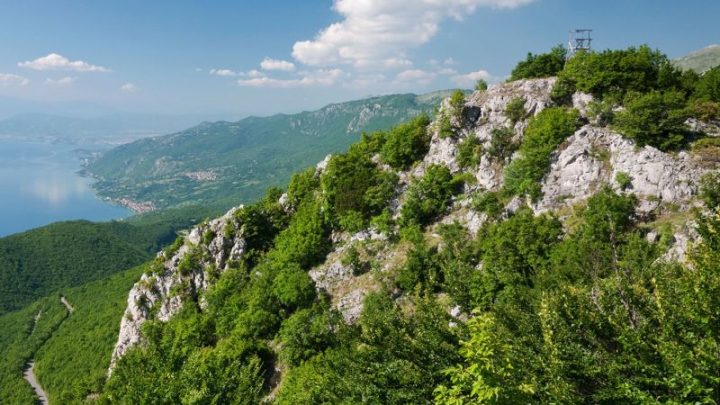
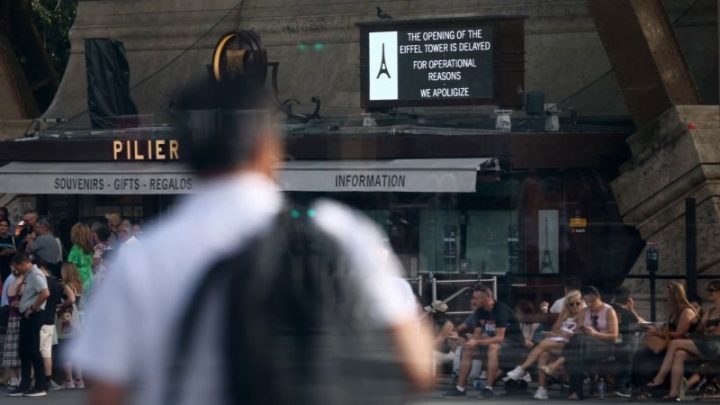
Meet the travelers who vacation in the world’s most treacherous places

Daftar Isi
When Vacation Means War Zone: The Growing World of Dark Tourism
Activelifezero.com – In the summer of 1861, crowds of Washington, D.C. residents loaded their carriages with sandwiches and opera glasses, then drove out to the Virginia countryside to spectate the first major engagement of the American Civil War at Manassas. A contemporary writer later labeled the outing “the worst picnic in history.” The spectacle never became a lasting tradition. Yet the impulse behind it — traveling toward danger for the sake of witnessing — has resurfaced in the twenty-first century as a recognizable travel niche called dark tourism.
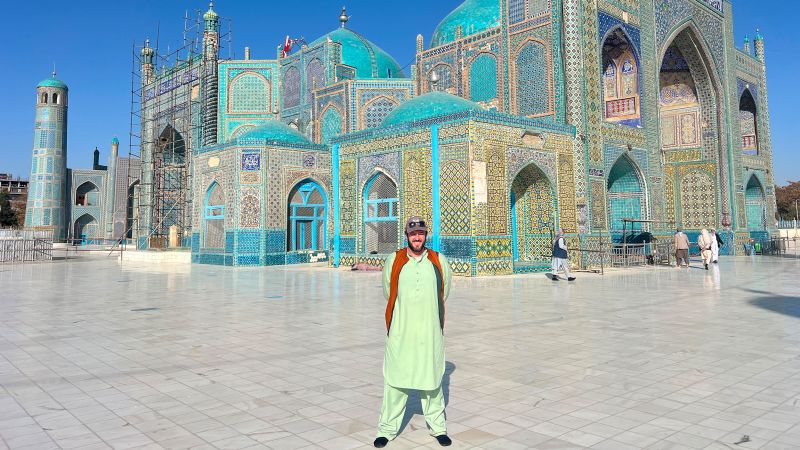
Today, a dedicated cohort of adventurers deliberately routes their holidays through active conflict zones, irradiated landscapes, and politically unstable border regions. The practice splits into two broad categories. The first involves visiting countries that carry formal travel warnings — North Korea, Afghanistan, and Haiti all sit on the US Department of State’s “do not travel” list. The second focuses on locations made infamous by specific historical events, such as Jonestown in Guyana, where a mass murder-suicide unfolded in 1978, or the execution grounds scattered across Cambodia’s Killing Fields.
From Battlefield to Feed
The modern surge in dark tourism is inseparable from social media. For younger travelers, these somber destinations simultaneously function as high-impact content for Instagram and Facebook. The past is reframed as a curated visual performance, and the act of witnessing becomes inseparable from the act of posting. Yet the travelers themselves insist the motivations run deeper than a screenshot.
History as a Reason to Go
Arnaud Kirby, a frequent traveler based in Luxembourg, frames his choice of destinations around a scholarly appetite for the past. He explains that nations like Syria, Libya, and Sudan carry layered, complicated histories, and that standing inside those landscapes offers a dimension of understanding no book can replicate.
“For me, the main motivation to visit places that are often considered dangerous — such as Syria, Libya or Sudan — is largely connected to my interest in history.”
Kirby also points to the scarcity of fellow tourists as a draw. Fewer visitors, he argues, means more genuine contact with residents and a less staged encounter with daily life in a given country.
A Year in Chad
One recent itinerary carried Kirby into Chad, a landlocked nation in central Africa that receives only a trickle of international visitors annually. Both the US State Department and Britain’s Foreign, Commonwealth and Development Office counsel against all travel to the country, citing terrorism, civil unrest, crime, kidnapping, and unexploded ordnance as persistent risks.
None of those hazards materialized for Kirby during his time in the capital, N’Djamena, or in Zakouma National Park. He describes the experience as remarkable, singling out the warmth of local residents.
“Chad was an amazing experience. What really stood out to me was how friendly the people were. The locals were incredibly kind and welcoming.”
The unexpected highlight, however, came from the park’s fauna. Animals at Zakouma, accustomed to far fewer vehicles than those in more popular reserves, reacted with curiosity rather than indifference. Kirby recalls a single elephant approaching his car and resting its trunk on the hood, as though inspecting the unfamiliar object.
Challenging the Narrative
Will Aswell, a British globetrotter who requested a pseudonym out of concern for future visa and entry permissions, has visited Iran, North Korea, Ukraine, and Iraq without ever feeling genuinely threatened. He pushes back against the assumption that authoritarian or conflict-affected states are inherently more perilous than Western metropolises.
“You’re much more likely to be attacked in a big US city than you are in any obscure authoritarian country. The murder rates show this over and over again.”
For Aswell, the pull of these destinations is intellectual as much as experiential. He wants to see what lies beneath the headlines and to push past what he calls dehumanizing portrayals of nations whose viewpoints diverge from those of the UK and the US.
“For example, realizing the depth of kindness and hospitality in the Islamic world, having been told my whole life how bad and evil these countries are, was something that resonated deeply with me. Travel is about understanding and experiencing differences and allowing yourself to be impacted and changed by it.”
When the Risk Becomes Real
Optimism about personal safety does not erase objective danger. In 2025, Aswell was traveling through Sinaloa state in Mexico — a region long plagued by cartel violence — when members of the Jalisco New Generation Cartel pulled him from a bus at gunpoint in the middle of the night. He concedes he was foolish to be on the road after dark and says he had to surrender a substantial sum of money before being released.
The episode underscores a tension at the heart of dark tourism: the very conditions that make a destination compelling — instability, remoteness, the absence of infrastructure built for visitors — are also what elevate the stakes. Travelers who choose these routes accept that the margin between a transformative encounter and a genuine crisis can be thinner than a single wrong turn at midnight.
What unites the two travelers profiled here, and the wider community of dark tourists, is a conviction that the world’s most difficult places deserve to be seen by human eyes, not merely read about in dispatches. Whether that conviction justifies the risk remains a question each traveler answers for themselves, one itinerary at a time.
Related Reading
Frequently Asked Questions
What is Meet the travelers who vacation?
Meet the travelers who vacation is the main topic of this guide. The article explains the context, practical details, and next steps readers should understand.
Why does Meet the travelers who vacation matter?
Meet the travelers who vacation matters because readers are looking for a useful answer, not just a short summary. Good content should match search intent and help them decide what to do next.