Not enough money, people or paper: Election officials say they can’t comply with Trump’s proposed mail ballot rules

Daftar Isi
Ballots Due in Weeks, but the New Postal Rules Have No Practical Path Forward
Activelifezero.com – With November ballots scheduled to leave printing facilities within weeks, election administrators across the country are telling federal courts that the Trump administration’s latest postal regulations for mail voting cannot be implemented on any realistic timeline. The obstacle is not merely political opposition or the wave of litigation already underway. Officials describe a fundamental logistical impossibility: the redesigned envelopes, the new software portal, and the trained staffing required by the Postal Service’s plan simply do not exist yet, and the window to build them has effectively closed.
The Envelope Problem and the Paper Shortage
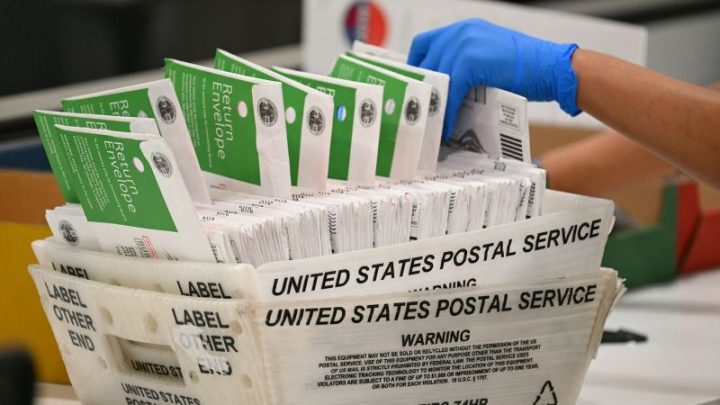
Under the proposed rules, every mail ballot envelope would need to be redesigned to carry specific information that feeds into a newly created federal database. Vendors who produce the physical envelopes have communicated directly to election offices that there is insufficient time to manufacture the millions of units that would be required. Court filings go further, noting that the raw paper stock needed for the redesigned envelopes may not exist in adequate quantities to meet a national deadline.
The administration has publicly characterized the change as “modest” for state and local governments. Yet the consequence of non-compliance is severe: the Postal Service has stated it will refuse to deliver ballots from any jurisdiction that fails to meet the new requirements. For states that rely heavily on mail voting, that translates into the risk that hundreds of thousands of eligible voters would receive no ballot at all.
A Portal That Has Not Been Tested
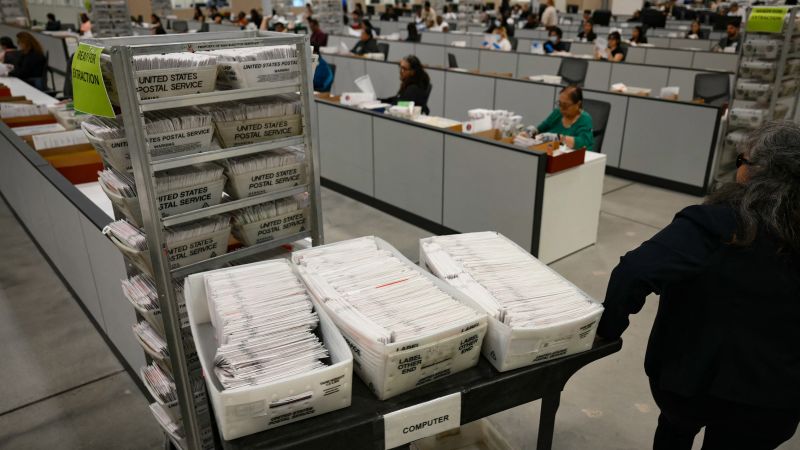
Beyond the physical materials, the plan requires local election administrators to register, authenticate, and upload voter lists through a brand-new digital portal the agency has built. Training and authorizing the thousands of local staff who would operate that system would consume, by officials’ estimates, thousands of hours of work that has not yet begun.
A whistleblower report from within the Postal Service, made public Tuesday, deepened the alarm. The document alleges the agency allotted only a handful of days to test a system that was assembled in a haphazard fashion for ingesting voter data. The report further indicates the agency intends to reject entire batches of ballots if even a single envelope in the batch fails to match the information entered in the portal. In jurisdictions where batches contain tens of thousands of ballots, one mismatched envelope could strip ballot access from an entire group of voters.
“We’re weeks away from ballots going out and USPS still can’t answer basic questions about how this is going to work. Clearly they don’t even know,” Amanda Gonzalez, the clerk of Jefferson County, Colorado, which will send out 433,000 mail ballots, told CNN. “These aren’t minor implementation details – they determine whether millions of eligible voters get their ballots.”
Gonzalez, who is also running for Colorado secretary of state as a Democrat, added that the uncertainty itself constitutes an election risk even if the rules are ultimately blocked in court.
The Legal Landscape: From Executive Order to Supreme Court
The regulatory fight traces back to an Executive Order signed in March. At that point, most election officials were focused on conducting primaries and preparing for the midterms, according to Tammy Patrick, chief programs officer for the National Association of Election Officials. When the final Postal Service plan was released last month, many of those officials said they were shocked by its contents.
The mandates are currently suspended under a temporary federal court order, though the administration is appealing that ruling. The dispute has already reached the Supreme Court once; the justices granted the administration permission to finalize its rulemaking. Now that the final plan has been announced, the case is expected to return to the Court for a merits decision.
White House Dismissal and USPS Response
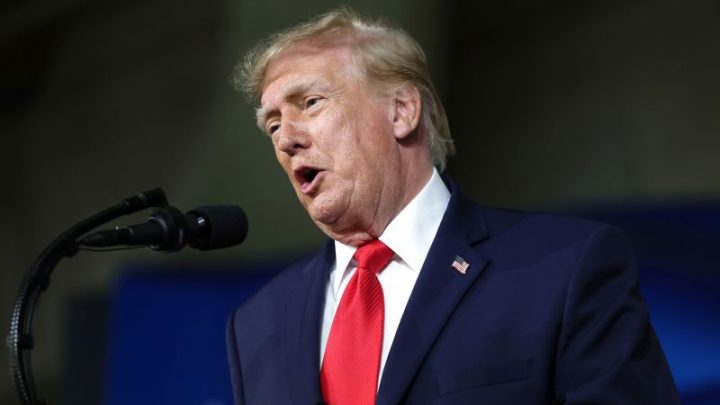
The White House has pushed back against the officials’ warnings. Spokeswoman Lauren Bis said in a statement that confusion was the product of “radical Democrats’ litigation to stop these commonsense measures that protect the security of mail-in ballots and ensure only Americans are electing American leaders.” She added that officials should have been prepared given the proposal was rolled out “months ago.”
A Postal Service spokesperson, responding to questions Tuesday, said the agency is “carefully reviewing” the whistleblower’s concerns. The spokesperson emphasized that the agency has spent months developing what it calls the U.S. Federal Ballot Mail Portal, describing it as a simple, secure, and efficient mechanism for sharing lists of individuals receiving ballots by mail. The spokesperson added that the work has been conducted in a manner consistent with court orders and that the agency shares a common interest, regardless of political party, in ensuring ballots reach voters.
What Voters Are Being Told
Amid the institutional turbulence, election offices have deliberately avoided amplifying worst-case scenarios in public communications. The consistent message to voters has been straightforward: the November election will proceed, and the ability to cast a ballot—by mail or in person—will be protected. Officials have focused their public energy on clarifying the immediate confusion the regulatory announcement has generated rather than speculating about hypothetical disenfranchisement.
For voters in states where mail ballots constitute the majority of expected votes, the stakes of the coming court decisions are not abstract. The question now is whether the judiciary will resolve the dispute before ballots must physically leave the warehouse, or whether the logistical clock will run out first.
Related Reading
Frequently Asked Questions
What is Not enough money people or paper?
Not enough money people or paper is the main topic of this guide. The article explains the context, practical details, and next steps readers should understand.
Why does Not enough money people or paper matter?
Not enough money people or paper matters because readers are looking for a useful answer, not just a short summary. Good content should match search intent and help them decide what to do next.