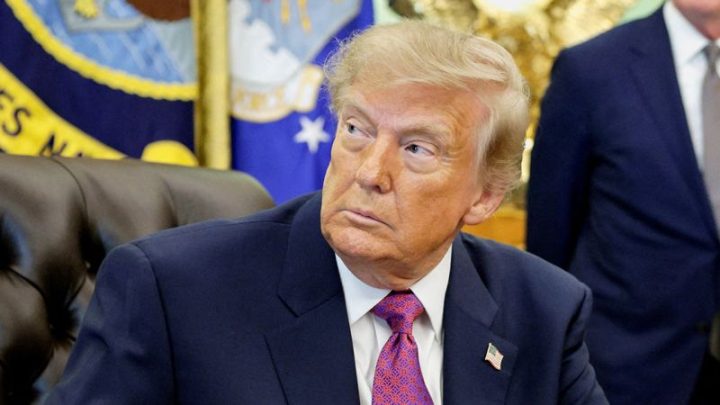
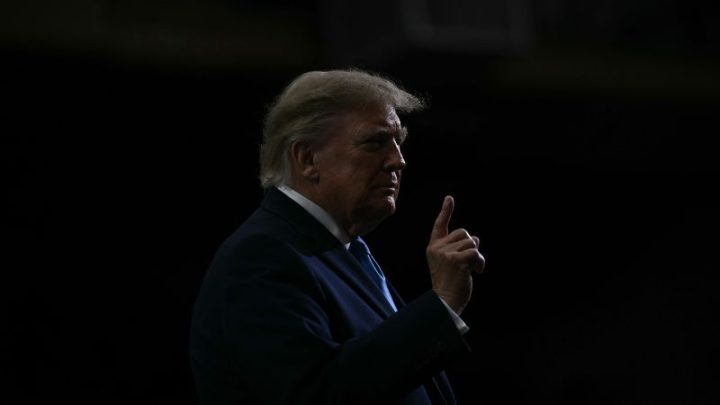
Trump calls for NBC’s Kristen Welker to face ‘rebuke or punishment’ from the FCC

Daftar Isi
President Invokes FCC to Discipline a Journalist Over Endorsement Coverage
Activelifezero.com – In a move that has drawn sharp criticism from media-law scholars and at least one commissioner on the agency itself, President Donald Trump publicly called on Sunday for NBC News moderator Kristen Welker to be “reported to the FCC for rebuke or punishment” after she described his recent primary endorsement record as producing “mixed results.” The remark, posted to his social media platform, represented the most direct attempt yet by the president to channel a federal communications regulator into disciplining a specific news professional for a particular broadcast segment.
The episode underscores a growing pattern in which the White House treats the Federal Communications Commission not as an independent statutory body but as an extension of presidential displeasure with media coverage. Within hours of the Welker post, Trump issued a second message — written entirely in capital letters — lamenting what he called “fake polls” and declaring, “something must be done about it,” before appending the phrase, “FCC to the rescue!”
The Endorsement Dispute
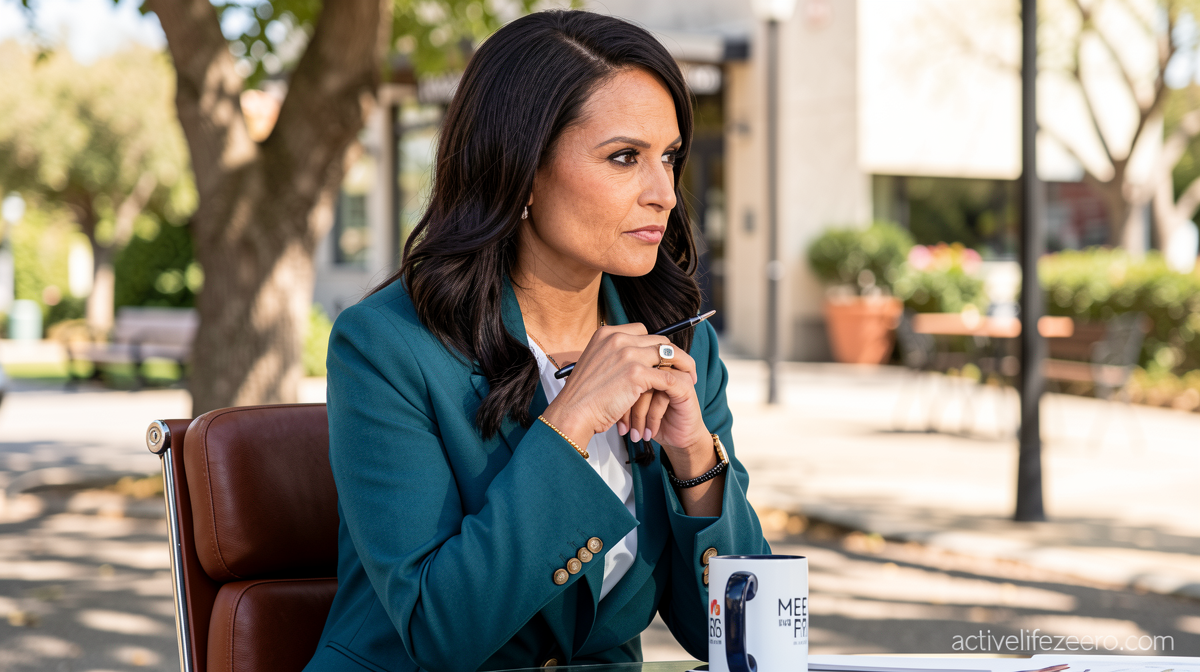
At the heart of the confrontation is a factual disagreement about how often Trump-backed candidates have won their primaries. Welker, speaking while promoting the weekly program “Meet the Press” on NBC’s local Washington, D.C. station, characterized the president’s endorsement track record as yielding “mixed results.” That characterization was consistent with reporting published earlier in the month by her own news organization, which documented that six Trump-backed candidates running for House seats and governorships lost their primaries. Other major outlets had used similar language to describe the recent slate of outcomes.
Trump’s lengthy Sunday post pushed back point by point, citing what he described as near-perfect win rates: 100 percent for U.S. Senate races and 98 percent for U.S. House races, both “recently and over the longterm,” and naming Darline Graham and Mike Mazzei as examples of victories. He then posed a rhetorical question aimed squarely at the regulatory framework governing broadcast airtime:
“How can anyone be allowed to say this, working for freely given Public Airwaves?”
The question implies that the FCC holds some kind of editorial veto over what a journalist may say on a licensed station. In practice, that power does not exist. The commission’s own website states plainly that the agency “cannot prevent the broadcast of any particular point of view.” Under the Communications Act and decades of First Amendment jurisprudence, the FCC’s role over broadcast content is limited to narrow technical and public-interest standards; it does not adjudicate whether a news anchor’s summary of election results is accurate or inaccurate. The notion of formal “punishment” for a journalist’s on-air characterization of polling data would, by historical precedent, be a nonstarter.
Carr’s Track Record of Media Enforcement
Yet the commission’s current chair, Brendan Carr — a Trump appointee who has cultivated a close working relationship with the president — has repeatedly moved to act on White House complaints about media organizations. In March, following a similar presidential grievance posted on Truth Social, Carr issued a public threat to broadcasters over their coverage of the Iran war. In April, just one day after Trump publicly called for the firing of comedian Jimmy Kimmel, Carr initiated an unusual challenge to the local station licenses held by ABC, whose parent company is Disney. Carr defended that widely criticized action by pointing to an ongoing probe of Disney’s diversity, equity, and inclusion practices. A parallel investigation into NBC’s parent company, Comcast, remains open, framed by Carr around what he has termed “invidious forms of DEI discrimination.”
Disney, for its part, filed a First Amendment lawsuit against the commission earlier this month, arguing that the agency’s actions against its broadcast licenses violate constitutional protections. Former FCC officials from both parties have publicly criticized Carr for what they describe as an effort to weaponize the agency and chill protected speech.
The Commissioner’s Rebuke
Anna Gomez, the sole Democrat on the five-member commission, did not wait long to respond. On X, she wrote:
“The FCC has no authority to punish journalists this administration doesn’t like. These threats to press freedom are dangerous. They undermine the foundation of our democracy, and they have no place in it.”
Gomez’s statement effectively rejected the premise of Trump’s post: that a president can file a complaint with a communications regulator and expect a sanction to follow. Anyone may file a complaint with the FCC, but there is no procedural mechanism for objecting to a particular news report or for seeking a penalty against a journalist for the substance of her commentary.
NBC’s Response and the Broader Pattern
An NBC News spokesperson issued a brief statement defending Welker: “Kristen is one of the best in the business and we stand by her.” The network has not indicated any intention to alter its reporting practices in response to the presidential post.
The president’s relationship with Welker has been notably ambivalent over the past two years. He has criticized her repeatedly while simultaneously seeking out her attention and granting her multiple on-camera interviews — a dynamic that complicates any simple narrative of adversarial press relations.
Trump closed his Sunday missive by flattering the commission’s leadership:
“The Press is a Disgrace to our Nation, and I hope that Chairman Brendan Carr, and the fine people of his Commission, will take this Threat to our Country very seriously.”
A Personal Aside: The Maher Text
The endorsement-record theme resurfaced on Friday’s episode of HBO’s “Real Time,” where host Bill Maher revealed that he had received a direct message from the president after a prior episode in which Maher said, “Trump used to win all of his endorsements, now he’s winning almost none of them.” Maher described the exchange on air:
“I heard from one viewer who was very upset about this, contacted me directly. It’s a little more nuanced, but yes, I overstated it. Now, stop texting.”
(HBO and the news organization that first reported the Welker episode share a common parent company, Warner Bros. Discovery, a fact that drew no comment from either side.)
The cumulative effect of these episodes — a president naming a specific journalist for regulatory punishment, a commission chair moving within days of presidential complaints, a parent company suing the agency under the First Amendment, and a lone commissioner publicly declaring the agency powerless to do what the White House wants — points to an unresolved constitutional question: whether the FCC can be converted, by executive pressure and selective enforcement, into a de facto press tribunal. For now, the answer embedded in the agency’s own statutory language and in Gomez’s public statement is a firm no. Whether that answer will hold under sustained political pressure remains the central open question.
Related Reading
Frequently Asked Questions
What is Trump calls for NBC s Kristen?
Trump calls for NBC s Kristen is the main topic of this guide. The article explains the context, practical details, and next steps readers should understand.
Why does Trump calls for NBC s Kristen matter?
Trump calls for NBC s Kristen matters because readers are looking for a useful answer, not just a short summary. Good content should match search intent and help them decide what to do next.