No, Iran is not winning: In Act IV of the war, it’s losing its leverage in Hormuz

No Iran Is Not Winning: Hormuz Leverage Fades
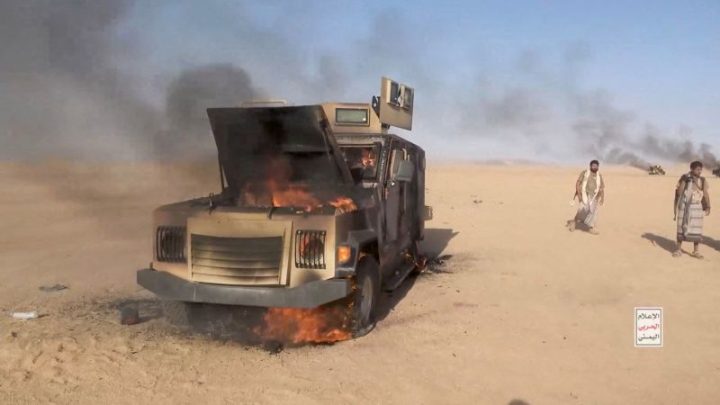
Activelifezero.com – No Iran is not winning, despite what a handful of commentators still insist. The Strait of Hormuz moves roughly one-fifth of the planet’s daily oil throughput, which makes it the most consequential maritime chokepoint in global energy markets. For months, capitals from Washington to Tokyo fixated on a single question: could Tehran keep that artery shut long enough to force American capitulation? The accumulating evidence says no. Iran’s ability to hold the waterway hostage is crumbling, and with it goes the principal bargaining chip that propped up its negotiating posture all summer.
How the Four-Phase War Unfolded
The confrontation began on February 28 with a sustained barrage of intensive airstrikes, followed by approximately six weeks of high-intensity operations aimed at degrading Iran’s command structure and missile infrastructure. The second phase opened with the April 7 ceasefire and a subsequent negotiation track that culminated on June 17 in a memorandum of understanding signed by President Trump and Iranian President Masoud Pezeshkian. Weeks later, Tehran resumed targeting commercial vessels transiting the Strait, provoking another tit-for-tat exchange of strikes. It was during that third phase that voices in Washington grew loud for the United States to effectively cede control of the waterway, as though American options had been exhausted.
They had not been. Beginning in mid-July, the United States reimposed a military blockade on Iranian ports and tightened sanctions on the country’s oil exports. American naval forces worked around the clock to clear shipping lanes and escort commercial tankers through the Strait. The operational result has been a de facto embargo on Iranian crude shipments while global oil flows have recovered and energy prices have remained comparatively stable. Bloomberg data published this week indicates that throughput through the Strait has rebounded to approximately two-thirds of pre-war levels.
President Trump himself had warned that a prolonged closure of the Strait would trigger a worldwide depression. The data now suggests that warning was never going to materialize.
The Economic Squeeze Tightens Around Tehran
Pressure is compounding on Tehran rather than on Washington. If Iran cannot sustain its grip on the Strait, its leverage evaporates quickly. The country entered the conflict already weakened by years of sanctions and domestic economic mismanagement, and its position today is considerably worse. The International Monetary Fund projects that Iran’s economy will contract by more than five percent this year, with inflation approaching seventy percent. The rial has depreciated sharply against major currencies, and prices for staple goods have surged. An official in Iran’s Labor Ministry recently estimated that over one million jobs vanished during the first three months of the war alone.
These figures matter because a regime’s capacity to sustain a prolonged conflict depends on far more than its remaining missile inventory. Before the war began, the Iranian government faced unprecedented public pressure against its repressive rule and collapsing economy; thousands of Iranians were reportedly killed in street protests. The first act’s removal of most senior leaders produced consolidation by the Islamic Revolutionary Guard Corps and further crackdowns on the majority of Iranians who oppose their rule. No Iran is not winning in the economic dimension either — the Guards require resources to govern by force, and the current fourth act, a military embargo strangling Iran’s oil revenue, is something the regime has never confronted before. Indeed, this marks the first instance since the 1979 Revolution that Iran has faced a quarantine on its economic lifeline through Hormuz.
The logical exit for Tehran is a negotiated settlement on terms far less favorable than those it sought in June. As the Strait reopens and tanker traffic normalizes, the window for Tehran to extract concessions narrows with every passing week. No Iran is not winning this contest of endurance, and the arithmetic of the fourth act makes that increasingly clear to every actor at the table.
Frequently Asked Questions
How much of the world’s oil passes through the Strait of Hormuz? Approximately one-fifth of global daily oil supply transits the Strait, making it the single most critical maritime chokepoint for energy markets.
What happened on June 17? President Trump and Iranian President Masoud Pezeshkian signed a memorandum of understanding following the April 7 ceasefire and a subsequent round of negotiations.
What is the current status of shipping through the Strait? Bloomberg data published this week shows throughput has rebounded to roughly two-thirds of pre-war levels, aided by continuous American naval escort operations.
What does the IMF project for Iran’s economy this year? A contraction of more than five percent, with inflation approaching seventy percent and the rial depreciating sharply against major currencies.
Is this the first time Iran has faced a quarantine on its Hormuz revenue? Yes. Since the 1979 Revolution, no comparable military embargo on Iran’s oil lifeline through the Strait had been imposed until the current fourth phase of the conflict.