Last-minute doomsday scenarios for the 2026 election

Daftar Isi
Speculation Mounts Over What Trump Might Do to Shape the 2026 Midterms
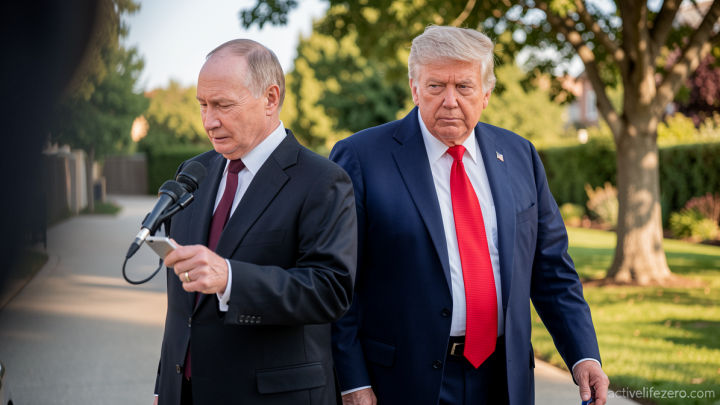
Activelifezero.com – As the November 2026 midterm election draws closer, a growing chorus of speculation surrounds the actions President Donald Trump and his inner circle might take to influence — or, in more dramatic formulations, control — the outcome. The anxiety is not born from nothing. Trump has spent years insisting that voter fraud plagued contests he himself won, and he mounted a sustained legal and political campaign to reverse the 2020 presidential result, a contest he has never publicly conceded. Independent audits and court rulings found no evidence of systematic fraud in either election. Yet the narrative persists, and with it, a menu of increasingly radical proposals that allies have floated, lobbied for, or simply whispered into the political ether.
A July Address That Promised Nothing — and Unleaved Everything
In July, Trump delivered a nationally televised address on what he framed as election integrity. Notably, he committed to none of the extreme measures now circulating in conservative media circles: no pledge to seize ballot boxes, no vow to declare a national election emergency, no announcement that troops or Immigration and Customs Enforcement agents would be stationed at polling places. He left the door open, however, and that ambiguity has proven fertile ground for speculation, particularly among Democrats working to mobilize voters who might otherwise stay home out of distrust.
“Trump is throwing stuff out there. People are biting on it, and it makes the country as a whole more nervous, and is a self-perpetuating cycle,” said Ben Ginsberg, a longtime Republican election lawyer.
Ginsberg, who has represented parties on both sides of the aisle in election disputes, added that the rhetoric itself demands a response from officials on the ground. He pointed to Trump’s demonstrated willingness to deploy unconventional tactics, a pattern he traced back to January 6, 2021.
“Because the rhetoric is there and (Trump) has shown a singular ability for asymmetrical warfare starting on January 6. If you’re an election official, you have to be preparing,” Ginsberg said. But that preparation must come, he cautioned, with the understanding that “the creation of a climate of fear is maybe a goal in and of itself.”
The National-Emergency Gambit: Old Idea, New Pressure
The concept of declaring a national emergency specifically tied to elections is not new to this administration. Trump floated the notion during his first term but never acted on it. What has changed is the intensity of the lobbying. In February, when a reporter pressed him on reports that election-denier allies were urging him to invoke emergency powers and assume sweeping federal control over how states administer elections, Trump appeared genuinely taken aback, saying he had not known about the push.
This month, the dynamic shifted. Conservative commentator Wayne Root explained the proposal directly to the president. Trump neither embraced nor dismissed the idea. His response was characteristically elliptical:
“Let me just say that stranger things have happened, OK? I’ll leave it at that.”
Behind the scenes, a draft executive order written last spring has been circulating among supporters. Its central claim is that interference by China in American elections justifies the president seizing operational control from the states. US intelligence assessments, however, have indicated that Iran and Russia have been more actively engaged in efforts to meddle in American electoral processes. Trump has not signed the order.
What Has Already Been Signed — and What Is in Court
In March, Trump did sign a separate executive action aimed at restricting mail-in voting and directing the United States Postal Service to move against the use of mail-in ballots. That order has triggered multiple lawsuits and appears unlikely to be implemented before voters head to the polls in November. Its existence nonetheless signals a willingness to use executive authority to reshape voting logistics, even if the specific mechanism stalls in the courts.
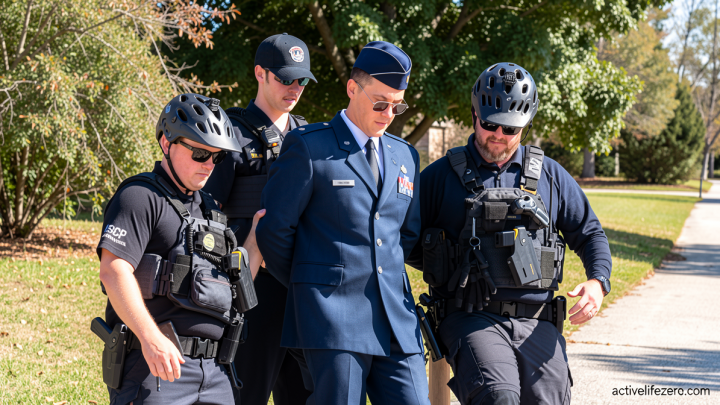
Podcaster and former White House aide Steve Bannon has been among the most vocal advocates for a near-term emergency declaration. In his framing, such a declaration would unlock the legal architecture needed to dispatch federal agents to polling places, confiscate ballots or voting machines, and impose federal oversight in the name of guarding against supposed Chinese interference.
Legal Pushback and the Noncitizen Question
Opponents are not waiting passively. Norm Eisen, cofounder of Democracy Defenders Action — a group that has repeatedly litigated against the Trump administration across a range of issues — told reporters Thursday that the administration lacks constitutional authority to declare an election-related emergency and seize ballots or impose federal control over state-run contests.
“There’s no power to declare emergency relating to our elections to seize ballots or do anything else. Courts are going to slap it down. We’re ready to go fast,” Eisen said.
He noted that American elections have been conducted during world wars and a global pandemic without any national-security emergency declaration, and that his organization’s lawyers are prepared to file challenges within hours of any such proclamation.
The stated rationale from Trump allies for stationing federal agents at polling places is to deter undocumented immigrants from casting ballots. Federal law already makes it illegal for noncitizens to vote or to register to vote, and every state maintains procedural safeguards ensuring that each ballot corresponds to a verified voter registration and that provisional ballots are checked before being counted. A Republican candidate running for governor in Maine has gone further, publicly promising to request ICE agents at polling stations in his state — a move that would, if enacted, place federal immigration enforcement personnel directly in the voting environment for the first time in modern American history.
Why the Uncertainty Itself Matters
Whether or not any of these measures materialize, the sustained ambiguity surrounding them carries its own electoral consequences. Voters who believe ballots might be seized, machines swapped, or agents deployed at their polling place may alter their turnout decisions, their willingness to use mail-in ballots, or their trust in local election officials. Ginsberg’s observation about a “self-perpetuating cycle” captures the dynamic: each unsubstantiated claim feeds anxiety, which feeds further speculation, which feeds more anxiety. For election administrators in all fifty states, the practical takeaway is straightforward — document procedures, brief staff, coordinate with county attorneys, and be prepared to explain, in real time, why the system is working as designed even when the national conversation suggests otherwise.
Related Reading
Frequently Asked Questions
What is Last minute doomsday scenarios for the 2026?
Last minute doomsday scenarios for the 2026 is the main topic of this guide. The article explains the context, practical details, and next steps readers should understand.
Why does Last minute doomsday scenarios for the 2026 matter?
Last minute doomsday scenarios for the 2026 matters because readers are looking for a useful answer, not just a short summary. Good content should match search intent and help them decide what to do next.