Military judge sets trial date for alleged 9/11 mastermind Khalid Sheikh Mohammed

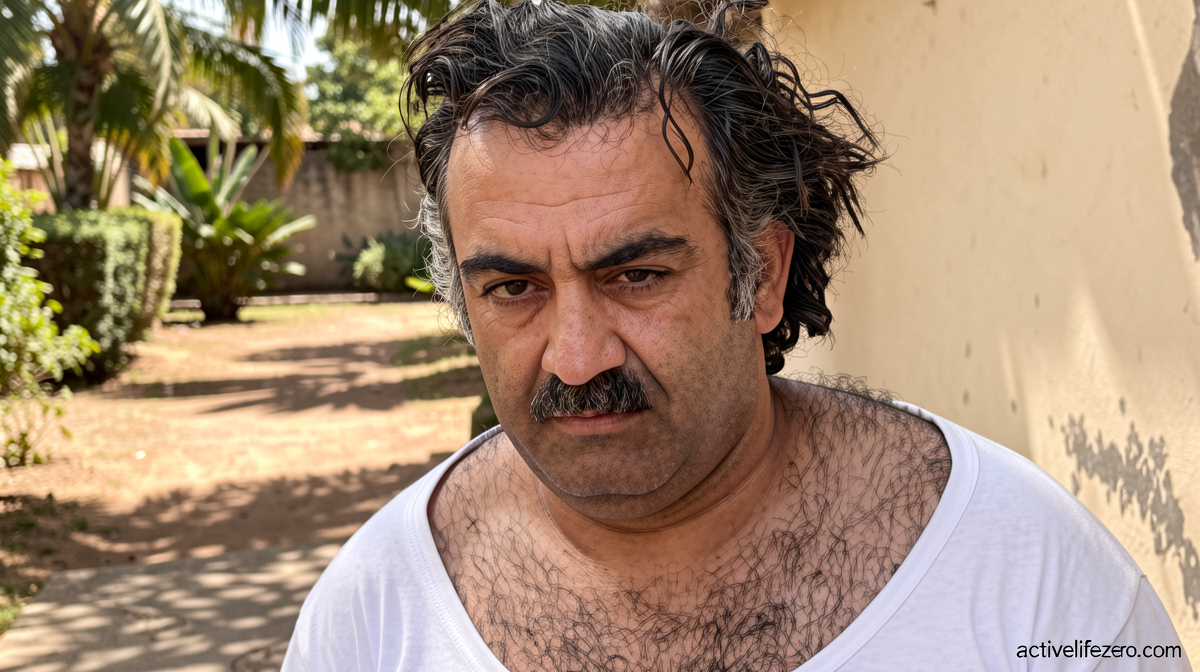
Military Judge Sets Trial Date for 9/11 Case
Activelifezero.com – A military judge sets trial date for the four men accused of architecting the September 11, 2001, attacks, fixing the start of proceedings at the U.S. Naval Station Guantanamo Bay in Cuba for June 5, 2028. Air Force Lt. Col. Michael A. Schrama issued the ruling on Wednesday, ending years of uncertainty over when — and whether — the case would ever reach a courtroom.
The date lands eighteen months later than the January 2027 start prosecutors had sought. Schrama’s written decision explains that the additional time is needed to resolve unresolved pretrial disputes, particularly sharp disagreements over which evidence may be placed before a jury of military officers.
Two Decades of Procedural Dead Ends
Khalid Sheikh Mohammed, widely regarded by investigators as the operational planner behind the coordinated hijackings, has been held at Guantanamo since shortly after the attacks. Successive administrations, Republican and Democratic alike, have attempted to advance his case only to encounter procedural obstacles, political reversals, and institutional inertia. A trial originally slated for 2021 never materialized; its cancellation sent Mohammed and his co-defendants back into holding cells for another cycle of appeals and administrative delay.
The 2028 date, while concrete on paper, carries an explicit caveat. The military judge sets trial date with the understanding that the schedule remains contingent on the case clearing a series of intermediate deadlines. Should those slip, the timeline could stretch further still.
The Charges and the Co-Defendants
Mohammed stands charged with developing and directing the scheme to seize commercial airliners and drive them into the World Trade Center towers in New York and the Pentagon in Arlington, Virginia. A fourth hijacked aircraft crashed into a field in Pennsylvania. Together, the four planes killed nearly 3,000 people and reshaped American foreign policy for a generation.
He will not face the court alone. Three alleged co-conspirators share the docket: Walid bin Attash, Ali Abdul Aziz Ali, and Mustafa al-Hawsawi. All four remain among the final cohort of detainees still held at the Guantanamo facility, a population that has dwindled over the years but stubbornly refuses to reach zero.
The Plea Deal That Never Held
For two years, the Biden administration negotiated a plea arrangement under which Mohammed would enter a guilty plea in exchange for a life sentence without the possibility of parole. Two co-defendants would have received identical terms, and the agreement included a provision requiring the men to sit for interviews answering outstanding questions from families of 9/11 victims. The deal would have eliminated the risk of execution, which hung over Mohammed given that capital punishment remains theoretically available under military commission rules.
After the two-year negotiation concluded, however, the Biden administration repudiated the arrangement. A federal appeals court subsequently struck down the agreement, sending the case back to the trial track and resetting the clock. Whether the military judge sets trial date schedule ultimately holds will depend on the next eighteen months of evidentiary rulings, scheduling orders, and the willingness of all parties to move toward resolution rather than further delay.
Frequently Asked Questions
When does the trial begin? June 5, 2028, at the U.S. Naval Station Guantanamo Bay. The date is subject to intermediate pretrial milestones and could shift if those deadlines slip.
Who is presiding over the case? Air Force Lt. Col. Michael A. Schrama, a military judge assigned to the Guantanamo Bay commission.
What happened to the earlier plea deal? The Biden administration negotiated a life-without-parole plea for Mohammed and two co-defendants, then repudiated the arrangement after two years. A federal appeals court struck the deal down, returning the case to trial.
Why was the original 2021 trial canceled? Procedural and political obstacles prevented the proceeding from moving forward, leaving the defendants in detention through another cycle of appeals and administrative delay.
The trial’s eventual commencement will carry weight well beyond the four defendants. It represents the closest the U.S. justice system has come to formally adjudicating responsibility for the most consequential terrorist attack on American soil.