A controversial ad for a driver is the latest clash between golf’s old guard and new world

Daftar Isi
Shoulder Check in a Golf Ad Ignites a Culture War Over Who Owns the Game
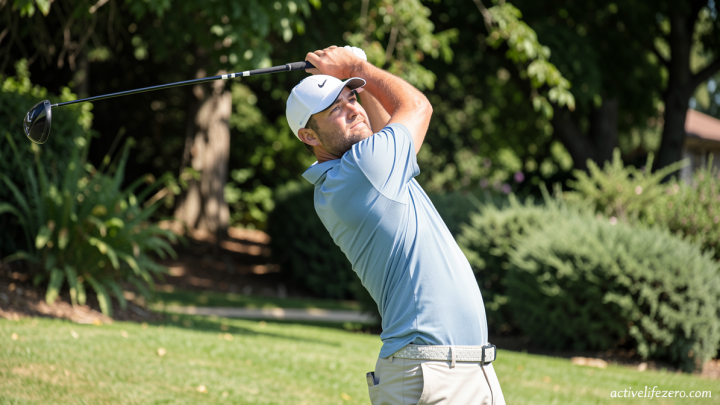
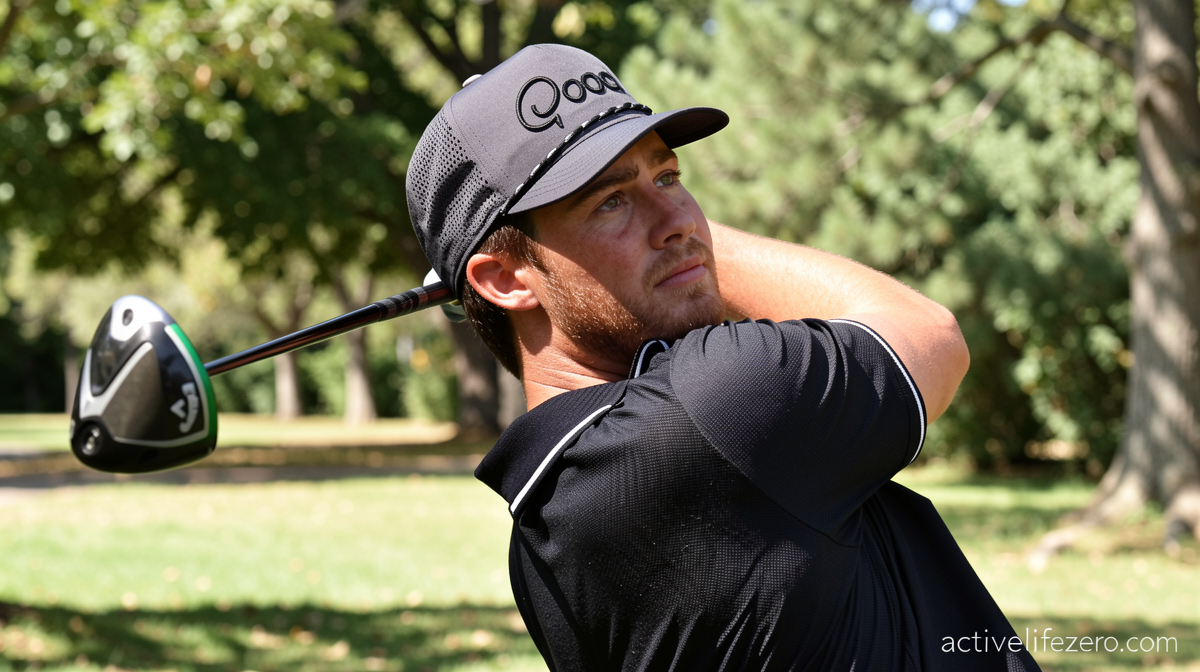
Activelifezero.com – A single frame in a thirty-second commercial has thrown the golf world into one of its most heated internal debates in years. The image: Garrett Clark, co-founder of the internet-native golf media brand Good Good, driving his shoulder into the torso of Alexis Miestowski as she reaches toward a driver. The clip, produced for a co-branded Callaway driver, was pulled from circulation within days of its release, but the damage to reputations and partnerships had already been done.
The controversy sits squarely at the fault line between golf’s century-old institutional culture and the raucous, personality-driven content ecosystem that has flooded social media since roughly 2020. For decades, the professional game presented itself through understated dress codes, measured commentary, and a tacit understanding that players would not upstage the sport with spectacle. That world is now colliding, repeatedly and loudly, with a new generation of fans who discovered the game through YouTube compilations, TikTok clips, and the unapologetic bravado of creators who treat the fairway like a stage.
What Happened and How Fast It Unraveled
The advertisement debuted with Clark and Miestowski in a staged confrontation. Clark delivered a hard shoulder check that sent Miestowski to the ground just as her hand neared the clubhead. The tone was meant to be playful, a nod to the competitive posturing common in Good Good’s regular content. Audiences, however, read it differently. Within hours, the clip was circulating with commentary comparing the physicality to domestic-violence footage, and the backlash intensified rapidly across platforms.
Callaway, the equipment manufacturer behind the driver, moved to remove the spot. Good Good followed suit on Saturday. Both organizations then faced a wave of pointed questions: how did a commercial depicting a man physically striking a woman clear internal review, get scheduled, and go live without a single editor flagging the problem?
Apologies From Both Sides
On Tuesday morning, Callaway chief executive Chip Brewer issued a statement on X acknowledging that his company had greenlit the video. He framed the episode as a failure of internal judgment rather than a failure of values.
“As we deal with the consequences of our mistake and complete our investigations, I want to make it clear that we sincerely apologize for the video. The content was inappropriate and does not reflect our values. To be clear: We are unequivocally against discrimination, domestic violence, or threatening behavior of any kind.”
Good Good, which had already pulled the clip the previous weekend, issued its own apology emphasizing its founding mission of broadening access to the game.
“Good Good has always stood for making the game of golf more inclusive to all, and we will continue to ensure that is our mission moving forward.”
Good Good’s Place in the Modern Golf Ecosystem
Founded in 2020, Good Good began as a content-creation outfit producing short-form videos that celebrated the personalities on tour rather than the shot-by-shot analysis favored by traditional broadcast. Over four years the brand expanded into apparel and lifestyle merchandise; its stylized “Good” hats have become a visible fixture on fairways from Florida to California. The company’s cultural penetration deepened when the PGA Tour selected it as title partner for the Good Good Championship, scheduled for November in Austin, Texas.
That title deal is now the flashpoint. The Tour’s leadership is watching how Good Good handles the fallout before deciding whether the partnership proceeds as planned.
The Tour’s Uneasy Embrace of Internet Golf
The PGA Tour, which carries nearly a century of institutional history as the home of men’s professional golf, has spent the 2020s scrambling to adapt. LIV Golf arrived as a well-funded rival circuit. Simultaneously, independent creators like Good Good siphoned attention by offering a looser, more entertaining presentation of the same sport. In response, the Tour has loosened dress codes, invited content creators onto its media compounds, and begun collaborating with influencers to promote events weeks before tee times.
The Good Good Championship was pitched as the culmination of that strategy: a flagship event where the old establishment and the new internet culture would share a marquee. The driver advertisement, however, has forced the Tour to ask whether the partnership can survive a single misjudged commercial.
Rolapp’s Cautious Verdict
Speaking to reporters on Tuesday at East Lake Golf Club in Atlanta, the venue hosting the season-ending Tour Championship, PGA Tour chief Brian Rolapp offered a measured but pointed assessment of Good Good’s handling of the crisis.
“Initially no. I think what we saw was concerning, and is clearly not aligned with PGA Tour values. We take it very seriously. I think their initial response was disappointing. It was a bit defensive and late, but I think the responses are getting better.”
Pressed on whether the November tournament would go ahead, Rolapp declined a binary answer.
“It’s a bit of a fluid situation. We were disappointed at first. It sounds like in the last 24 hours they’ve made some progress. We’ll continue to monitor the situation and see how it develops.”
Why This Moment Matters Beyond One Ad
The episode is less about a single driver commercial than about governance. Golf’s traditional institutions have spent years courting the very audience that Good Good represents, yet the internal review structures that once kept broadcasts polished and inoffensive were not updated to handle content produced at internet speed by personalities who treat every interaction as a clip. When a co-branded product crosses from a creator’s personal channel into a major equipment manufacturer’s paid media buy, the accountability chain lengthens, and the question of who bears responsibility for a misstep becomes genuinely complicated.
For the fans who discovered the game through a shoulder check on a fairway, the message is ambiguous: the door is open, but the house rules are still being written. Whether Good Good’s November championship in Austin proceeds on schedule, or whether the Tour recalibrates its partnership terms, will be watched closely by both the old guard and the new audience that now makes up a growing share of the sport’s viewership. The answer, Rolapp suggested, is not yet fixed.
Related Reading
Frequently Asked Questions
What is A controversial ad for a driver?
A controversial ad for a driver is the main topic of this guide. The article explains the context, practical details, and next steps readers should understand.
Why does A controversial ad for a driver matter?
A controversial ad for a driver matters because readers are looking for a useful answer, not just a short summary. Good content should match search intent and help them decide what to do next.