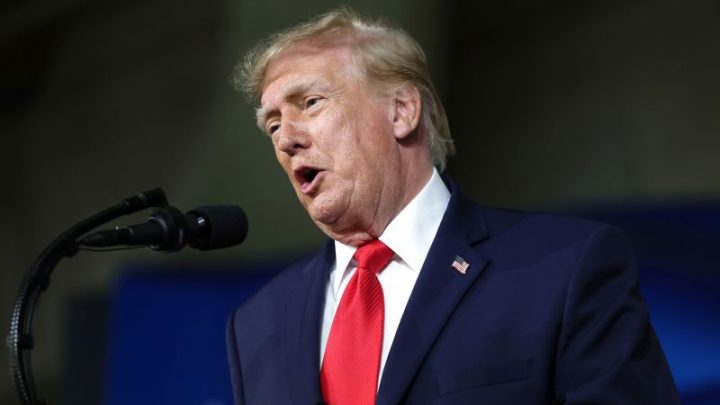
Fentanyl investigations and seizures dropped during Trump’s immigration crackdown, federal watchdog says

Daftar Isi
Fentanyl caseload collapses as immigration enforcement consumes DHS investigative resources, watchdog finds
Activelifezero.com – The number of fentanyl investigations opened by the Department of Homeland Security’s investigative arm fell by roughly a quarter in fiscal year 2025, while hours devoted to those cases dropped by about 31 percent compared with the prior year. The decline was not driven by a shrinking drug trade but by a deliberate internal reallocation: agents who had spent years building cases against transnational cartels were pulled into mass immigration-arrest operations at the direction of the White House. A report from the DHS inspector general, released in August 2026, lays out the mechanics of that shift and its consequences for one of the country’s most lethal drug-supply problems.
What changed and why
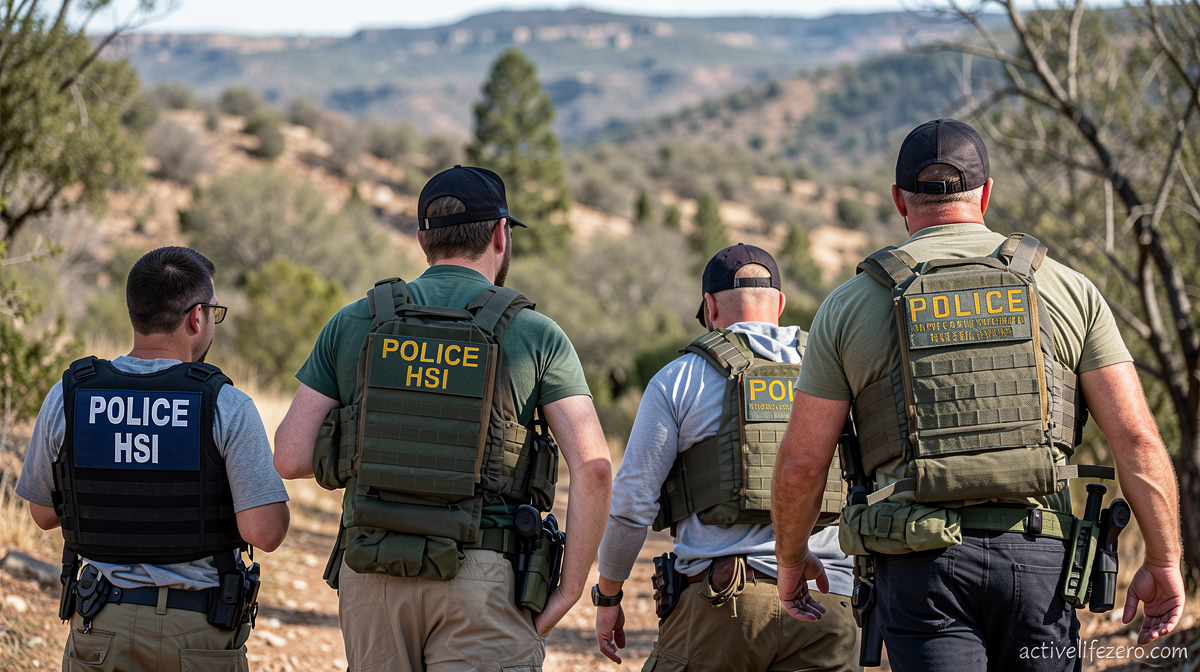
Immigration and Customs Enforcement Homeland Security Investigations — commonly called HSI — has long served as the federal government’s primary investigative tool against the cartels and criminal networks that manufacture and smuggle fentanyl across the U.S.-Mexico border. Between fiscal years 2022 and 2024, agents in the division steadily increased the share of their time devoted to fentanyl-related work, building a growing pipeline of cases aimed at disrupting supply chains from precursor-chemical sourcing through distribution networks.
That trajectory reversed abruptly in fiscal year 2025. President Donald Trump’s sweeping immigration crackdown demanded that federal agents across multiple agencies be redirected toward detention and deportation operations. HSI, already tasked with combating organized crime, absorbed a large share of that burden. Under pressure to meet quotas set by the executive branch, the division pivoted much of its investigative capacity toward immigration arrests, pulling personnel away from ongoing fentanyl work.
The inspector general’s audit, conducted from March 2025 through May 2026, examined HSI’s role in disrupting fentanyl supply, including its use of surveillance technologies, inter-agency coordination, and the shifting of internal priorities during the transition period.
The numbers behind the pivot
The report quantifies the resource drain in stark terms. Immigration enforcement recorded the largest hour-increase of any investigative category in FY 2025, climbing by more than 1.7 million hours — a jump exceeding 800 percent. Fentanyl work, by contrast, lost roughly a third of its dedicated time.
“At the same time, we saw immigration enforcement record the largest increase across all investigative categories, rising more than 1.7 million hours (over 800 percent).”
At one field office, the inspector general found that approximately “99 percent” of casework had been redirected toward immigration, leaving virtually no bandwidth for drug-supply investigations. The division-wide effect was measurable: investigations initiated by HSI in FY 2025 fell 24 percent year over year. At a single field office, the number of new fentanyl cases opened dropped from 30 in FY 2024 to just 13 in FY 2025.
Seizure volumes followed the same downward curve.
“HSI’s fentanyl seizures also decreased by 39 percent in FY 2025 despite the DEA reporting several record-breaking fentanyl seizures in 2025.”
The contrast with the Drug Enforcement Administration’s figures underscores that the drug trade itself did not contract; rather, one federal agency’s capacity to interdict it was temporarily hollowed out.
Field-level impact and systemic strain
Interviews with agents across HSI offices nationwide, conducted by the inspector general’s staff, described an all-hands mobilization toward the administration’s immigration push. One seven-person drug investigation team was reduced to “two to three” members as colleagues were reassigned to immigration cases, the report notes. Teams that had spent months cultivating sources and building evidence trails were broken up mid-investigation.
The audit also catalogued structural problems that compounded the staffing crisis: technical limitations in surveillance and data-sharing tools, chronic shortfalls in dedicated funding for fentanyl operations, and inconsistent case referrals from partner agencies such as U.S. Customs and Border Protection. These gaps, layered on top of the sudden personnel drain, left the division unable to sustain its prior tempo of cartel disruption.
Recommendations and agency response
The inspector general forwarded four recommendations to ICE. The agency concurred with all four. Among them was a directive to conduct a staffing review
“to ensure an appropriate level of coverage commensurate with the relative priority of fentanyl investigations.”
ICE HSI accepted the recommendation and set an estimated completion date of June 30, 2027, for the staffing assessment and determination of next steps.
In a written statement, a Homeland Security spokesperson said the division
“is working closely with the Department to track metrics and execute goals to assess how well ICE-HSI is combating fentanyl. In FY26, an action plan was launched as an Agency Priority Goal, which set key milestones for combating fentanyl.”
Broader implications
Fentanyl remains the leading cause of drug-overdose deaths in the United States, with annual tolls measured in tens of thousands. The watchdog’s findings raise a question that extends beyond one agency’s budget line: when executive-branch priorities concentrate investigative manpower on a single mission, what happens to the other missions that depend on sustained, long-cycle casework? Cartel disruption is not a task that can be paused and resumed without losing sources, evidence, and institutional memory. The inspector general’s report does not argue against immigration enforcement; it documents the cost of sequencing two urgent priorities through the same limited pool of agents, and it leaves the decision about how to rebalance that pool to the agency itself — with a deadline more than a year away.
Related Reading
Frequently Asked Questions
What is Fentanyl investigations and seizures dropped during?
Fentanyl investigations and seizures dropped during is the main topic of this guide. The article explains the context, practical details, and next steps readers should understand.
Why does Fentanyl investigations and seizures dropped during matter?
Fentanyl investigations and seizures dropped during matters because readers are looking for a useful answer, not just a short summary. Good content should match search intent and help them decide what to do next.