What eggs, jalapeños, chickens and chameleons have in common this summer: salmonella

Daftar Isi
Summer Salmonella Surge: From Eggs to Reptiles, Americans Face Multiple Outbreaks
Activelifezero.com – A wave of salmonella infections is sweeping across the United States this summer, touching nearly every corner of the country through contaminated food and household pets. Health officials are tracking dozens of interconnected outbreaks that have already hospitalized hundreds of people and claimed one life. The Centers for Disease Control and Prevention projects that salmonella typically generates approximately 1.35 million infections annually, resulting in roughly 420 fatalities each year. While contaminated food remains the primary culprit, companion animals are increasingly contributing to the spread of illness.
Contaminated Eggs Spark Investigation
One of the most significant current outbreaks centers on shell eggs manufactured in Texas. Midwest Poultry Services has issued a recall covering more than 1.5 million dozen containers after testing revealed potential contamination. The eggs reached consumers through both bulk distribution channels and individual grocery store shelves across multiple states.
So far, health authorities have documented 98 confirmed cases linked to these eggs, with 26 patients requiring hospitalization. The infections span 17 states, with the highest concentration in Texas and Louisiana. Retail locations affected include Kroger stores in Texas and Louisiana, Brookshire Grocery outlets in Texas, Oklahoma, Arkansas, and Louisiana, plus smaller independent retailers in those same states along with New Mexico and Mississippi.
Consumers should check their refrigerators for eggs bearing any of these brand names: Simple Truth, Brookshire’s, Country Morning, Kroger, and Cal-Maine. The affected products carry “sell by” or “best used by” dates ranging from July 20 through August 17.
The Food and Drug Administration notes that Midwest Poultry Services does not explain all the reported illnesses, prompting an expanded investigation to identify additional contamination sources.
Jalapeño Peppers Linked to Widespread Illness
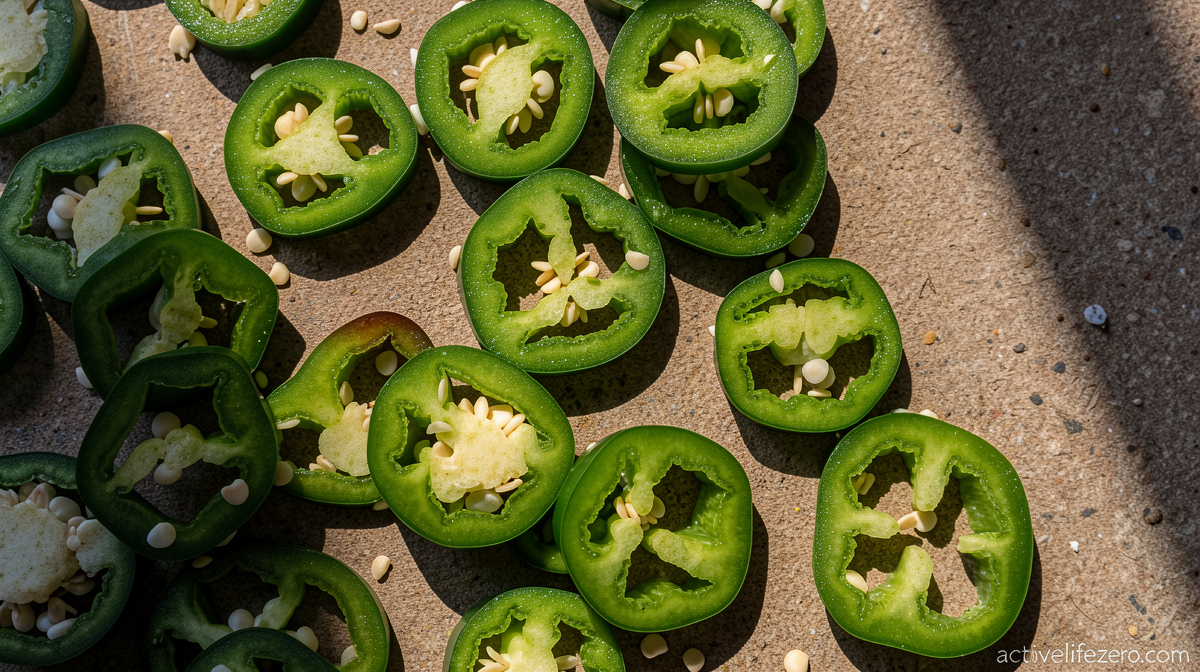
Meanwhile, another outbreak has emerged from jalapeño peppers cultivated in Sinaloa, Mexico. Coast Citrus Distributors handled the distribution of these peppers to restaurants, wholesalers, and food service operations rather than traditional grocery stores.
By August 5, the CDC had recorded 345 salmonella cases across 27 states, with 36 hospitalizations confirmed. Officials believe the actual number of infections is substantially higher than current figures suggest, as workers continue interviewing affected individuals to trace their food consumption patterns.
Most sick people reported dining at Mexican-style restaurants between June 14 and July 14. Both Chipotle and Qdoba have confirmed they removed the implicated products from their menus following the outbreak notification.
Backyard Flocks and Pet Reptiles Contribute to Cases
Pet-related outbreaks are also making headlines. Eight multistate clusters have been connected to contact with backyard chickens and ducks, affecting 814 people across 44 states. Only South Carolina, New Mexico, Arizona, Delaware, Rhode Island, and Hawaii have not reported cases tied to backyard poultry.
One outbreak featured what the CDC described as an unusually high number of people reporting contact with ducks.
Children under five years old represent a quarter of all illnesses in this category. By July 27, 201 cases had become severe enough to require hospital care, and one fatality was confirmed.
A separate, smaller outbreak involved veiled chameleons purchased from various retail locations. Beginning in February and concluding its investigation in June, this cluster affected only children under three years old. Two children in Nebraska fell ill, while single cases appeared in Iowa, Oklahoma, and Texas. Two of those children required hospitalization.
Understanding Symptoms and Risk Factors
Symptoms typically emerge between six hours and six days after exposure to contaminated food, beverages, or surfaces. People who encounter larger quantities of bacteria tend to develop illness more rapidly. Produce-related salmonella generally involves lower bacterial doses compared to prepared foods, which face higher cross-contamination risks and may remain at improper temperatures longer, allowing bacteria to multiply.
Common symptoms include stomach cramps, fever, nausea, vomiting, and potentially bloody diarrhea. Some individuals experience painful swollen joints, severe back pain, frequent urination with discomfort, night sweats, general malaise, or chest pain. Most cases resolve within four to seven days without medical intervention.
Higher-risk populations include pregnant individuals, elderly patients, young children, and those with weakened immune systems. Severe cases featuring high fever or incapacitating bloody diarrhea may require hospital treatment, though antibiotics are not routinely prescribed for salmonella infections.
Related Reading
Frequently Asked Questions
What is What eggs jalapeños chickens and chameleons?
What eggs jalapeños chickens and chameleons is the main topic of this guide. The article explains the context, practical details, and next steps readers should understand.
Why does What eggs jalapeños chickens and chameleons matter?
What eggs jalapeños chickens and chameleons matters because readers are looking for a useful answer, not just a short summary. Good content should match search intent and help them decide what to do next.