Trump again tries to curb birthright citizenship and ‘birth tourism’ through executive action

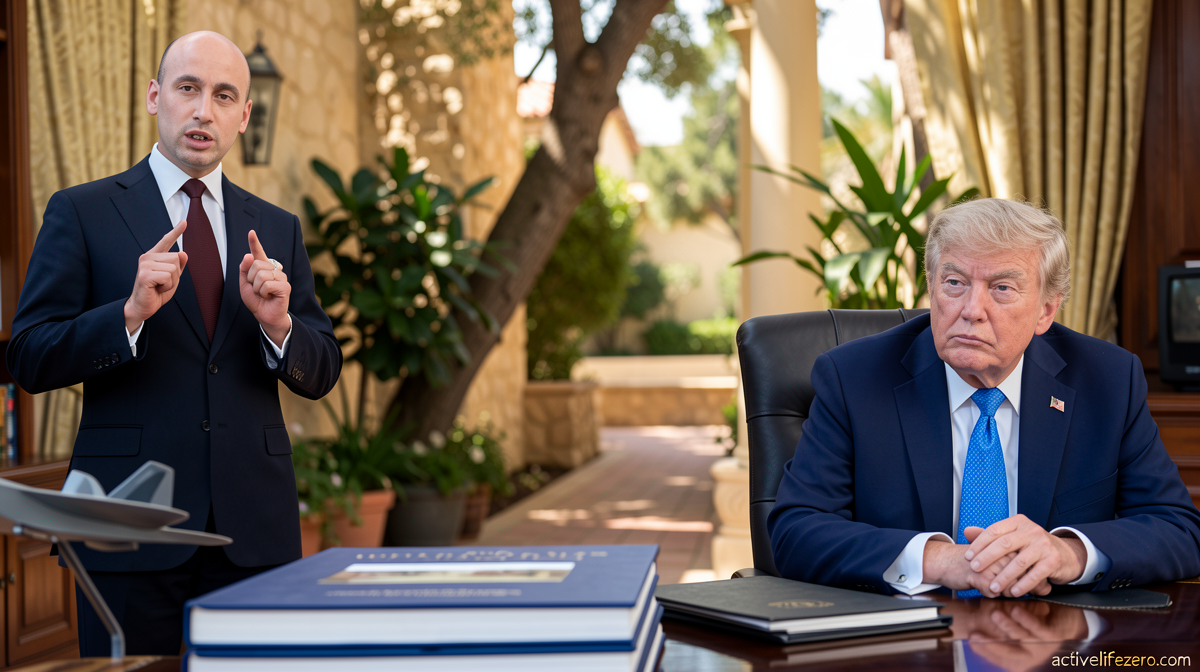
Trump Again Tries to Curb Birthright Citizenship via Executive Order
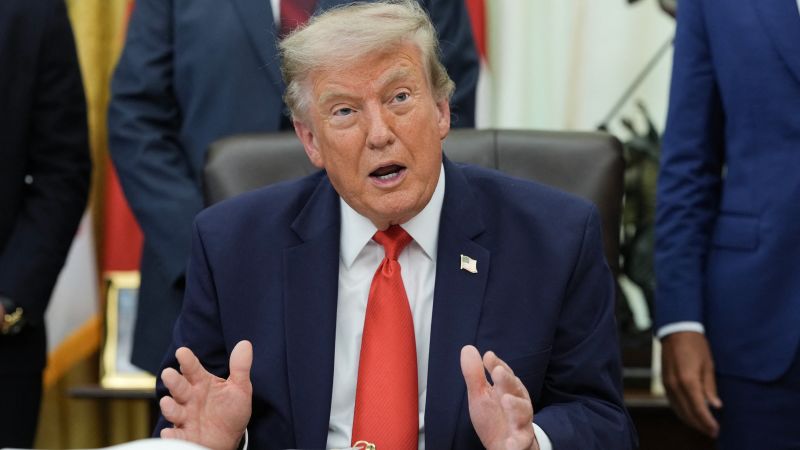
Activelifezero.com – Trump again tries to curb birthright citizenship through a fresh wave of executive actions. President Donald Trump has unveiled new measures designed to narrow the scope of automatic citizenship for children born on U.S. soil, learning from a recent Supreme Court setback. On Thursday, he signed two executive orders that work to strengthen existing legal frameworks while carving out exceptions for certain groups of foreign nationals.
This latest push represents a more targeted strategy compared to the broad executive order Trump issued last year. That earlier attempt sought to fundamentally change the constitutional guarantee of citizenship for children born in America to non-citizen parents. The Supreme Court rejected that approach in June, citing the Fourteenth Amendment as the bedrock of birthright citizenship.
Understanding the Supreme Court’s June Decision
The high court’s ruling on June 30 provided a strong affirmation of birthright citizenship as historically understood. The justices determined that children born on American territory qualify as U.S. citizens regardless of their parents’ legal status. A five-justice majority concluded that the Fourteenth Amendment’s language offers clear protection for this fundamental right.
Conservative justices expressed disappointment with the outcome, noting that the decision did not fully address concerns about birth tourism. Justice Brett Kavanaugh reached a different conclusion, finding that Trump’s initial order conflicted with existing federal statutes rather than violating the Fourteenth Amendment directly.
“Citizenship, then and now, was the right to have rights — to freely participate in our political community,” Chief Justice John Roberts, a conservative, wrote for the court. “The Framers of the Fourteenth Amendment extended that promise to ‘every free-born person in this land.’ We keep that promise today.”
New Orders Target Specific Groups and Birth Tourism
The first executive order signed by Trump focuses on particular categories of foreign nationals. It addresses so-called “alien enemies,” individuals affiliated with foreign terrorist organizations, and people who lobby or represent foreign government interests. Under this order, children born to parents in these categories would no longer automatically receive birthright citizenship.
Stephen Miller, the White House deputy chief of staff and key architect of the administration’s immigration strategy, explained that this order removes automatic citizenship eligibility for children born to individuals in these targeted groups.
The second executive order concentrates on birth tourism, a practice that has drawn sustained attention from immigration advocates. American law already prohibits individuals from securing visas when their primary objective is to give birth in the United States specifically to secure citizenship for their child. Miller characterized his new executive order as a comprehensive prohibition on birth tourism, though legal experts note uncertainty about how this measure advances provisions already codified in U.S. statutes.
Historical Exceptions and Conservative Concerns
The Supreme Court’s summer decision acknowledged that certain exceptions to birthright citizenship have long existed within American jurisprudence. These exceptions apply narrowly to children born to foreign diplomats and to children born during periods of hostile occupation by enemy forces. The court maintained these traditional boundaries while reaffirming the broader constitutional guarantee.
Despite the court’s affirmation, several conservative justices voiced concerns that the June 30 ruling would enable the very birth tourism practices that prompted Trump’s original executive action. Justice Clarence Thomas, whose dissent was joined only by Justice Neil Gorsuch, argued that the court had transformed the Fourteenth Amendment into a vehicle for protecting rights that the Reconstruction-era Congress never envisioned.
“The court has repurposed the Fourteenth Amendment to protect its own set of preferred rights that the Reconstruction Congress never contemplated and that cannot find support in its text,” Justice Clarence Thomas wrote in a dissent. “Today, the court does so again by recognizing a constitutional right to citizenship for the children of all foreign birth tourists and illegal aliens.”
Frequently Asked Questions
What is birthright citizenship?
Birthright citizenship is the principle that anyone born on U.S. soil automatically becomes a U.S. citizen, regardless of their parents’ immigration status. This right is grounded in the Fourteenth Amendment to the Constitution.
What did the Supreme Court rule in June 2026?
The Supreme Court ruled that the Fourteenth Amendment guarantees citizenship for children born on American territory, even if their parents are undocumented or temporarily present. The court found that Trump’s previous executive order conflicted with this constitutional protection.
How do Trump’s new executive orders differ from his previous attempt?
Trump again tries to curb birthright citizenship through more targeted measures. Instead of a blanket change, the new orders create specific exceptions for children born to alien enemies, terrorist affiliates, and foreign government representatives, while also strengthening prohibitions on birth tourism.
What is birth tourism?
Birth tourism occurs when foreign nationals travel to the United States primarily to give birth, ensuring their child receives U.S. citizenship. American law already restricts visa applications when the main purpose is childbirth for citizenship purposes.