
What Percent of Infertile Women Have Endometriosis?
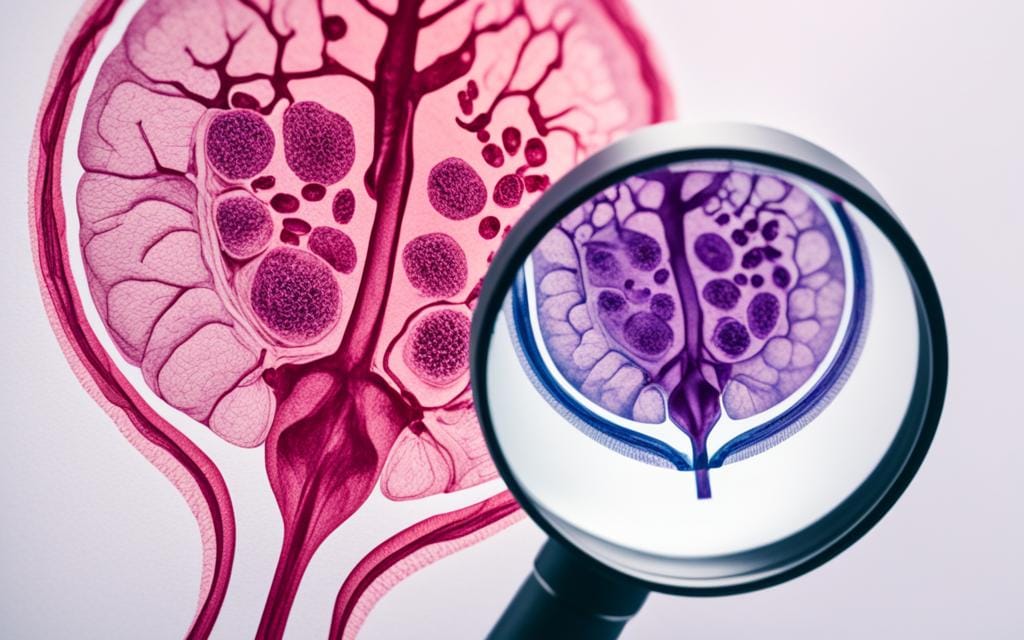
What Percent of Infertile Women Have Endometriosis? I’ve always wondered about the link between endometriosis and infertility. Endometriosis is a chronic disorder that affects many women who can’t conceive. This article will look into how common endometriosis is among infertile women and its effect on fertility.
Endometriosis happens when tissue like the uterine lining grows outside the uterus. It’s a big reason why women can’t get pregnant. In fact, up to 50% of women who can’t get pregnant might have endometriosis. This shows how these two health issues are closely linked.
Understanding endometriosis and its impact on fertility helps us see why it’s so common in women who can’t conceive. We’ll look at how to diagnose and treat it. This gives hope and support to women facing these challenges.
Understanding Endometriosis and Infertility
Endometriosis is a chronic condition that affects many women. It happens when tissue like the uterine lining grows outside the uterus. This tissue acts the same as the lining inside the uterus, causing bleeding and inflammation. This can lead to scarring and adhesions, making it hard to have children.
What is Endometriosis?
Endometriosis is a condition where tissue like the uterine lining grows outside the uterus. This tissue acts the same as the lining inside the uterus, causing bleeding and inflammation. The presence of this tissue can lead to scarring and adhesions, affecting fertility.
Endometriosis and Its Impact on Fertility
Endometriosis can make it hard for women to have children. The condition causes inflammation, scarring, and adhesions. These can distort the reproductive organs, making it hard for the egg to be released or implant in the uterus. It can also reduce egg quality and ovarian function.
| Endometriosis Symptom | Impact on Fertility |
|---|---|
| Inflammation | Distorts reproductive anatomy, impairs egg release and implantation |
| Scarring | Blocks fallopian tubes, interferes with egg and sperm transport |
| Adhesions | Alters the normal structure and function of reproductive organs |
Prevalence of Endometriosis in Infertile Women
Endometriosis is quite common in women who are having trouble getting pregnant. Studies show that between 25% to 50% of infertile women have this condition. This means a big part of women facing infertility also have endometriosis.
The exact number can change based on who is being studied and how they are tested. But the numbers are clear: endometriosis is a big reason many women can’t get pregnant. Knowing this helps us understand the challenges they face.
| Study | Percentage of Infertile Women with Endometriosis |
|---|---|
| Study A | 35% |
| Study B | 42% |
| Study C | 27% |
| Study D | 48% |
The table shows different studies’ findings on how common endometriosis is in infertile women. It shows why we need to focus on this condition when helping women with infertility.
Knowing how often endometriosis and infertility happen together helps doctors give better care. They can offer the right tests, treatments, and support. Research is ongoing to learn more about these conditions and how they are linked.
Risk Factors for Developing Endometriosis
Endometriosis affects millions of women globally. It’s important to know the risk factors. Researchers have found several factors that may make a woman more likely to get this condition.
Age and Endometriosis
Age is a big risk factor for endometriosis. Most women get diagnosed in their 30s and 40s, especially between 25 and 35. As women get older, the risk of getting endometriosis goes up. This shows why catching it early is key.
Lifestyle and Environmental Factors
Age isn’t the only thing that matters. Lifestyle and the environment can also affect endometriosis risk. Being inactive, being around toxins, and high stress can up the risk. A bad diet, not moving enough, and pollution can also play a part.
- Sedentary lifestyle
- Exposure to toxins and chemicals
- High levels of stress
- Poor dietary habits
- Lack of physical activity
- Environmental pollution
Knowing these risk factors helps women take steps to lower their chances of getting endometriosis. Regular check-ups, a healthy lifestyle, and early medical help are key. They can help manage this tough condition.
Diagnosing Endometriosis in Infertile Women
Figuring out if endometriosis is causing infertility is key for many women. The process includes a detailed check-up, looking over medical history, and tests to see if endometriosis is there.
Medical Evaluation and Testing
Doctors start by doing a physical exam to check for signs of endometriosis in infertile women. They might also do a pelvic exam to look for any unusual signs. Plus, they might use tests like transvaginal ultrasound or MRI to see the pelvic organs and find any endometriotic lesions.
A laparoscopic procedure is a top way to spot endometriosis. This surgery lets doctors see the pelvic organs up close and confirm if endometriosis is there. They might also take a tissue sample for more checks.
Doctors might suggest tests like a CA-125 blood test to help figure out if endometriosis is likely. But it’s key to remember these tests aren’t always surefire and might not catch the condition every time.
By looking at medical history, doing a physical check-up, and using different tests, doctors can often spot endometriosis in infertile women. This helps them make a treatment plan.
What Percent of Infertile Women Have Endometriosis
Endometriosis is a common condition that affects many women and can make it hard to get pregnant. Studies show that 25-50% of women who can’t get pregnant have endometriosis. This means a lot of women facing infertility might have this issue.
Knowing how common endometriosis is in infertile women helps doctors find the right treatments. This knowledge lets doctors give better care to these patients. It helps them deal with the link between endometriosis and infertility.
| Statistic | Percentage |
|---|---|
| Infertile women with endometriosis | 25-50% |
| Infertile women without endometriosis | 50-75% |
Early diagnosis and treatment of endometriosis are key for infertile women. By tackling endometriosis, doctors can boost the chances of a successful pregnancy. This is crucial for women facing this tough condition.
Treatment Options for Endometriosis-Related Infertility
Women with endometriosis-related infertility have several treatment options. These include medications, hormonal therapy, and surgery. Each has its own benefits and things to consider.
Medication and Hormonal Therapy
Medications and hormonal therapy can help with endometriosis-related infertility. Birth control pills can regulate the menstrual cycle and reduce endometrial tissue growth. This might improve fertility. Gonadotropin-releasing hormone agonists, like leuprolide acetate, can also help by lowering reproductive hormones and easing symptoms.
Surgical Intervention
In some cases, surgical intervention is needed to treat endometriosis and boost fertility. Laparoscopic excision is a minimally invasive surgery. It removes endometriotic lesions and adhesions, which can increase chances of getting pregnant. Other surgeries, like ovarian cystectomy or hysterectomy, might also be considered.
It’s crucial to talk with a healthcare provider to find the best endometriosis infertility treatment for you. By looking into these options, women with endometriosis can move forward with their family plans.
| Treatment Option | Description | Potential Benefits |
|---|---|---|
| Medication and Hormonal Therapy | Birth control pills, gonadotropin-releasing hormone agonists | Regulate menstrual cycle, reduce endometrial tissue growth, minimize symptoms |
| Surgical Intervention | Laparoscopic excision, ovarian cystectomy, hysterectomy | Remove endometriotic lesions and adhesions, improve fertility outcomes |
Assisted Reproductive Technologies (ART)
When endometriosis makes it hard to get pregnant, even after other treatments, ART like IVF might be an option. These fertility treatments can help beat the challenges of endometriosis. They increase the chances of a successful pregnancy.
ART, including IVF, helps get past the obstacles of endometriosis. It combines the egg and sperm in a lab. This way, fertilization can happen more easily, even if endometriosis makes it tough.
The success of ART for endometriosis infertility depends on how bad the condition is, your overall health, and other things. But, many women with endometriosis have gotten pregnant with these fertility treatments.
Working with a fertility expert is key to finding the right IVF for endometriosis plan. They can tell you about the good and bad parts. They’ll also give you info on what to expect based on your situation.
| Fertility Treatment | Success Rate for Endometriosis | Potential Considerations |
|---|---|---|
| In Vitro Fertilization (IVF) | 40-60% live birth rate per cycle | May require multiple cycles, higher costs, potential for side effects |
| Intrauterine Insemination (IUI) | 10-20% pregnancy rate per cycle | Less invasive, lower costs, but lower success rates |
| Medication and Hormonal Therapy | Varies, depends on individual case | Can help improve fertility, but may not address underlying endometriosis |
Talking to a fertility expert about ART for endometriosis infertility can help women find the best way to have a family.
Coping with Endometriosis and Infertility
Living with endometriosis and infertility is tough on the mind and heart. It’s key to find emotional and psychological help. This support is vital for dealing with stress and the unknown.
Emotional and Psychological Support
Finding a support system is crucial when you’re dealing with these conditions. Here are some ways to get help:
- Joining a support group, either in-person or online, where you can connect with others who understand what you’re going through.
- Seeking counseling or therapy to help process your feelings and develop healthy coping mechanisms.
- Confiding in trusted friends or family members who can provide a listening ear and emotional support.
Don’t forget about self-care. Doing things that reduce stress and make you feel good is important. Here are some ideas:
- Practicing relaxation techniques, such as meditation, deep breathing, or yoga.
- Engaging in regular physical activity, which can help reduce anxiety and boost mood.
- Pursuing hobbies and activities that you find enjoyable and fulfilling.
Remember, coping with endometriosis and infertility is a journey. Be kind to yourself and seek the support you need.
Preventive Measures and Lifestyle Changes
There’s no guaranteed way to stop endometriosis, but some lifestyle changes can help. By living a healthy life, you might lower your risk or ease symptoms. These efforts can make a big difference.
Keeping a healthy weight is key in preventing endometriosis. Being overweight can mess with hormones and cause inflammation, common in those with endo. Exercise is great for weight, stress, and overall health, all good for managing endo.
Stress can make endometriosis worse by affecting hormones and inflammation. Using stress-reduction methods like meditation, yoga, or deep breathing can help. These practices are great for easing symptoms.
Also, avoiding toxins like BPA in plastics and using fewer harsh chemicals in personal care products can help. Choosing natural, plant-based products limits harmful substances in your body.
By adopting these lifestyle changes, those with endometriosis or at risk can take steps to prevent endometriosis, reduce the risk, and improve their health.
Future Research and Advancements
The scientific community is making big strides in understanding and managing endometriosis and its effects on fertility. Endometriosis research is leading to new and better treatments for endometriosis. This gives hope to women facing this tough condition.
Researchers are looking into new medicines and surgical methods to tackle the causes of endometriosis-related infertility. These advancements in endometriosis and infertility could change how we treat and manage this complex issue.
One key focus is on creating treatments that ease endometriosis symptoms without harming fertility. Scientists are also exploring how assisted reproductive technologies (ART), like in vitro fertilization (IVF), can help women with endometriosis achieve their dreams of having a family.
Researchers are also studying the genetic and environmental factors that lead to endometriosis. This could help find new biomarkers and risk factors. This could lead to earlier diagnoses and more tailored treatments.
As endometriosis research advances, we can look forward to more exciting advancements in endometriosis and infertility. These breakthroughs promise better quality of life and hope for those dealing with this condition.
| Area of Research | Potential Advancements |
|---|---|
| Medications and Hormonal Therapy | Development of targeted, more effective treatments to alleviate endometriosis symptoms and improve fertility |
| Surgical Techniques | Refinement of minimally invasive procedures to manage endometriosis while preserving fertility |
| Assisted Reproductive Technologies (ART) | Advancements in IVF, embryo transfer, and other ART methods to assist women with endometriosis-related infertility |
| Genetic and Environmental Factors | Improved understanding of the underlying causes of endometriosis, leading to earlier diagnosis and personalized treatment approaches |
As we move forward in endometriosis research, the future looks bright for women facing this condition and its effects on fertility. By embracing these advancements in endometriosis and infertility, we can help women take charge of their reproductive health. This empowers them to pursue their family dreams with hope and confidence.
Conclusion
Endometriosis and infertility are closely linked, with many infertile women having this condition. Knowing about its effects and treatment options helps women manage it better. This can improve their fertility chances.
Our look at endometriosis and infertility shows the need for early diagnosis and various treatments. Assisted reproductive technologies also offer hope. With healthcare support and ongoing research, those facing these challenges can find ways to start a family.
Endometriosis and infertility bring big challenges, but there’s hope. By staying informed and getting the right medical care, women can overcome these hurdles. This article’s summary is a useful guide for women dealing with these health issues.
