
Prioritizing Women’s Health Through Effective Stress Management Techniques

The connection between women's health and stress management is more critical than ever in today’s fast-paced world. As women juggle multiple responsibilities—careers, families, social obligations—their health often takes a backseat. However, chronic stress can have profound effects on physical, emotional, and mental well-being, leading to issues like fatigue, anxiety, hormonal imbalances, and even long-term conditions such as heart disease and depression. Prioritizing women's health and stress management isn’t just about improving individual quality of life; it’s about creating a foundation for resilience, productivity, and longevity. By integrating effective stress management techniques into daily routines, women can safeguard their health and achieve a better balance between personal and professional demands. This article explores how stress impacts women’s health, highlights practical strategies for managing stress, and emphasizes the importance of long-term commitment to well-being. Whether through mindfulness practices, lifestyle adjustments, or community support, there are numerous ways to nurture women's health and stress management for a more fulfilling life.
Understanding the Impact of Stress on Women’s Health
Stress is an inevitable part of life, but its effects on women's health and stress management can be particularly pronounced due to biological, psychological, and social factors. Women are biologically predisposed to experience stress differently from men. For example, the hormone cortisol, which is released during stress, can disrupt the balance of other hormones like estrogen and progesterone, leading to irregular menstrual cycles, mood swings, and even infertility. Additionally, stress can weaken the immune system, making women more susceptible to illnesses such as colds, migraines, and chronic fatigue. The cumulative toll of unmanaged stress can also exacerbate existing health conditions, such as diabetes or hypertension, which are more common in women.
Psychologically, stress often manifests as anxiety, irritability, and insomnia. Many women report feeling overwhelmed by the pressure to maintain a perfect work-life balance, leading to burnout and a decline in mental health. Research shows that prolonged stress can contribute to the development of depression, especially in women who face societal expectations to be both caregivers and achievers. Social factors further compound this issue. Women frequently bear the primary responsibility for household tasks and childcare, which can lead to chronic fatigue and emotional exhaustion. This constant juggling act not only drains energy but also reduces the time available for self-care, which is essential for maintaining overall well-being.
Moreover, stress can have a significant impact on reproductive health. High levels of stress are linked to conditions such as polycystic ovary syndrome (PCOS) and premenstrual syndrome (PMS), which can affect fertility and daily functioning. It can also influence pregnancy outcomes, increasing the risk of complications like preterm labor and gestational diabetes. Understanding these connections is the first step in addressing stress as a key component of <strong>women's health and stress management</strong>. By recognizing the ways stress affects the body and mind, women can take proactive measures to mitigate its effects and protect their long-term health.
Practical Stress Management Techniques for Women
Incorporating effective stress management techniques into daily life can help women reclaim control over their health. One of the most accessible methods is mindfulness and meditation, which have been shown to reduce cortisol levels and improve emotional resilience. Simple practices like deep breathing exercises, guided meditation, or journaling can be done in just a few minutes each day to promote relaxation and clarity. For instance, taking a short walk in nature or practicing mindful breathing during breaks can help reset the mind and reduce tension. These techniques are particularly beneficial for women who may not have time for lengthy routines but can still carve out moments for self-care.
Physical activity is another powerful tool for managing stress. Exercise releases endorphins, which are natural mood lifters, and can help counteract the negative effects of chronic stress. Activities such as yoga, swimming, or even dancing can improve flexibility, reduce anxiety, and enhance sleep quality. Regular exercise also strengthens the cardiovascular system, lowering the risk of stress-related conditions like heart disease. For women with busy schedules, finding a form of physical activity that fits their lifestyle is key. Whether it’s a 20-minute home workout or a weekend hike, consistency is more important than intensity. Combining physical exercise with stress-reducing activities, such as stretching or tai chi, can provide a holistic approach to managing stress.
Time management is another essential aspect of stress reduction. Many women struggle with prioritizing tasks due to the constant demands of work and family life, leading to a sense of overwhelm. Creating a structured schedule that includes dedicated time for rest, hobbies, and relaxation can help alleviate this pressure. Using tools like planners, digital calendars, or task lists allows women to break down their responsibilities into manageable steps. Additionally, learning to say “no” to non-essential commitments can free up time for activities that nourish both body and mind. This intentional approach to time allocation not only reduces stress but also enhances productivity and personal fulfillment.
Lifestyle Changes to Support Women’s Health and Stress Management
Beyond immediate stress-relief strategies, making sustainable lifestyle changes is vital for long-term women's health and stress management. A balanced diet plays a crucial role in maintaining physical and mental well-being, as nutrition directly influences energy levels, mood, and immunity. Incorporating whole foods such as fruits, vegetables, lean proteins, and whole grains can help stabilize blood sugar levels, which in turn reduces irritability and fatigue. On the other hand, excessive consumption of processed foods, caffeine, and sugar can heighten stress responses, making it harder to manage daily pressures. Women should aim to eat mindfully, savoring each meal and avoiding overeating due to stress or emotional triggers. This mindful eating practice not only supports physical health but also fosters a sense of calm and control.
Sleep is another fundamental factor in women's health and stress management. Lack of quality sleep can worsen stress, as it impairs cognitive function and emotional regulation. Establishing a consistent sleep routine, such as going to bed and waking up at the same time every day, can improve rest and reduce anxiety. Creating a calming bedtime environment—free from screens and distractions—helps signal the body that it’s time to relax. Additionally, avoiding late-night meals and limiting caffeine intake in the evening can promote better sleep. Prioritizing sleep not only enhances physical health but also strengthens the immune system, making women more resilient to stress-related illnesses.
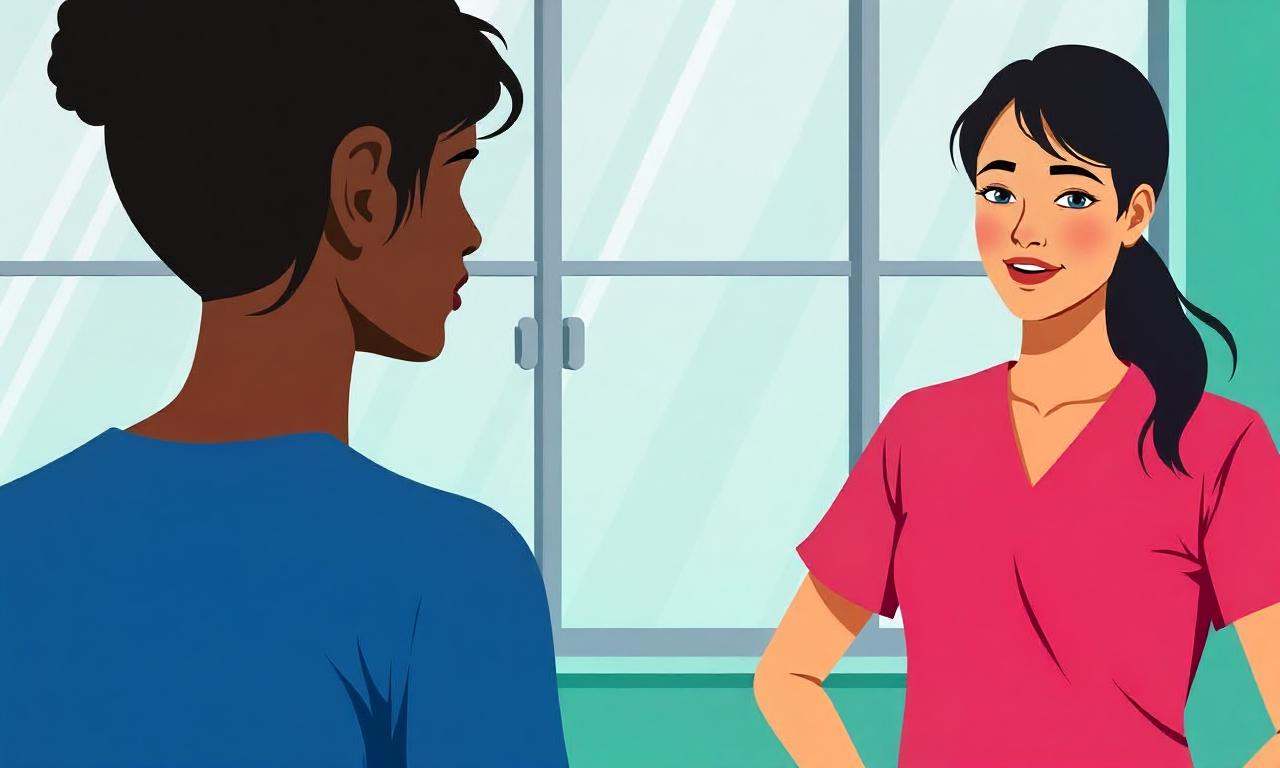
Social connections are also vital for managing stress. Studies show that strong social support networks reduce the risk of stress-related health problems and improve mental well-being. Women should make an effort to spend time with friends, family, or colleagues who provide emotional encouragement and a sense of belonging. Engaging in conversations, sharing experiences, or simply listening can be therapeutic and reduce feelings of isolation. Furthermore, joining support groups or online communities focused on women's health and stress management can offer valuable resources and shared experiences. These groups often provide practical advice, motivation, and a space to express concerns without judgment. By nurturing relationships and staying connected, women can build a support system that helps them navigate challenges with greater ease.
The Role of Community and Professional Support in Women’s Health
While individual efforts are important, the role of community and professional support cannot be overstated when it comes to women's health and stress management. Having a network of understanding individuals can make a significant difference in coping with stress, especially during difficult times. For example, workplace initiatives that promote mental health, such as flexible hours or stress-relief workshops, can create a supportive environment that encourages employees to prioritize their well-being. Employers who recognize the importance of <strong>women's health and stress management</strong> are more likely to foster a culture where women feel empowered to take care of themselves.
Professional guidance is another key component of effective stress management. Mental health professionals, such as therapists or counselors, can provide tailored strategies to address stress and its underlying causes. For women dealing with anxiety, depression, or burnout, therapy offers a safe space to explore emotions and develop coping mechanisms. Additionally, nutritionists and fitness coaches can help create personalized plans for diet and exercise, which are essential for maintaining physical health and reducing stress. Access to professional support is particularly valuable for women who may feel overwhelmed by the demands of daily life and need expert advice to regain balance.
Community-based programs and support groups also play a crucial role in women's health and stress management. These initiatives often provide practical tools, education, and encouragement, which can be especially helpful for women who are new to stress management practices. For instance, local wellness programs or online forums can offer resources on mindfulness, nutrition, and time management. Participating in group activities or workshops can also build a sense of camaraderie, reminding women that they are not alone in their challenges. Furthermore, community support can inspire women to adopt healthier habits and stay committed to their well-being over the long term.
The Benefits of Mindfulness and Meditation for Women's Health
Mindfulness and meditation are not just trendy practices—they are scientifically proven methods to enhance women's health and stress management. These techniques help women develop awareness of their thoughts and emotions, allowing them to respond to stressors with greater clarity and calmness. For example, mindfulness-based stress reduction (MBSR) programs have been shown to reduce symptoms of anxiety and depression, which are common in women facing high-pressure lifestyles. By focusing on the present moment, women can break free from negative thought patterns and cultivate a more positive outlook. Breathing exercises are a simple yet powerful subset of mindfulness practices. Deep breathing activates the parasympathetic nervous system, which promotes relaxation and reduces heart rate. Techniques such as diaphragmatic breathing or the 4-7-8 method can be done anywhere, even in stressful situations. These exercises are especially useful for women who need to quickly manage stress during busy days or unexpected challenges. Incorporating breathing exercises into daily routines, like during morning commutes or before meetings, can create a sense of control and calm.
The Importance of Physical Activity in Stress Reduction
Physical activity is more than just a way to stay fit; it is a critical component of women's health and stress management. Regular exercise helps release endorphins, which are natural painkillers and mood enhancers, reducing the body’s stress response. Activities like yoga combine physical movement with mindfulness, making them particularly effective for women seeking holistic approaches to well-being. Yoga also improves flexibility, balance, and mental clarity, which can alleviate the physical and emotional toll of chronic stress. Sports and fitness routines offer additional benefits beyond stress relief. Engaging in team sports or group activities can provide a sense of community and motivation, which are essential for maintaining long-term commitment to exercise. For instance, joining a running club or participating in a fitness class with friends can make physical activity more enjoyable and sustainable. Moreover, exercise helps regulate the body’s stress hormones, such as cortisol, and promotes better sleep, which is crucial for overall health. By making physical activity a regular part of life, women can significantly improve their <strong>women's health and stress management</strong> strategies.
How Social Connections Influence Women’s Health
Social connections are a cornerstone of women's health and stress management, as they provide emotional support and a sense of belonging. Studies have shown that women with strong social networks are more resilient to stress and less likely to develop mental health issues. For example, spending time with friends or family can help reduce feelings of loneliness, which is a known contributor to anxiety and depression. Engaging in social interactions also encourages a healthy perspective on life, reminding women that they are part of a larger community. Support groups are a valuable resource for women looking to improve their women's health and stress management. These groups offer a safe space to share experiences, challenges, and successes, which can be incredibly uplifting. Whether in-person or online, participating in a support group allows women to connect with others who understand their struggles. This shared understanding can foster motivation and accountability, making it easier to stay on track with healthy habits. Moreover, support groups often provide practical advice and coping strategies, which are essential for managing stress effectively over time.
The Role of Sleep in Stress Management and Overall Health
Sleep is often overlooked but plays a vital role in women's health and stress management. Adequate rest allows the body to repair itself and the mind to process emotions, which is essential for managing stress. Sleep deprivation, on the other hand, can lead to increased irritability, difficulty concentrating, and a weakened immune system. For women who struggle with sleep due to busy schedules or stress, establishing a bedtime routine can help improve sleep quality. This may include activities like reading, meditating, or taking a warm bath to signal the body that it’s time to wind down. Sleep hygiene is another important aspect of promoting better rest. Maintaining a consistent sleep schedule, avoiding screens before bed, and creating a comfortable sleep environment can all contribute to healthier sleep patterns. Additionally, managing stress during the day through techniques like exercise, mindfulness, or journaling can help women fall asleep more easily. Prioritizing sleep not only supports mental health but also enhances physical health, making it a key component of <strong>women's health and stress management</strong>.
Nutrition and Its Role in Stress Relief
**Nut
