
How to Maintain a Healthy Menstrual Cycle: Essential Tips for Women
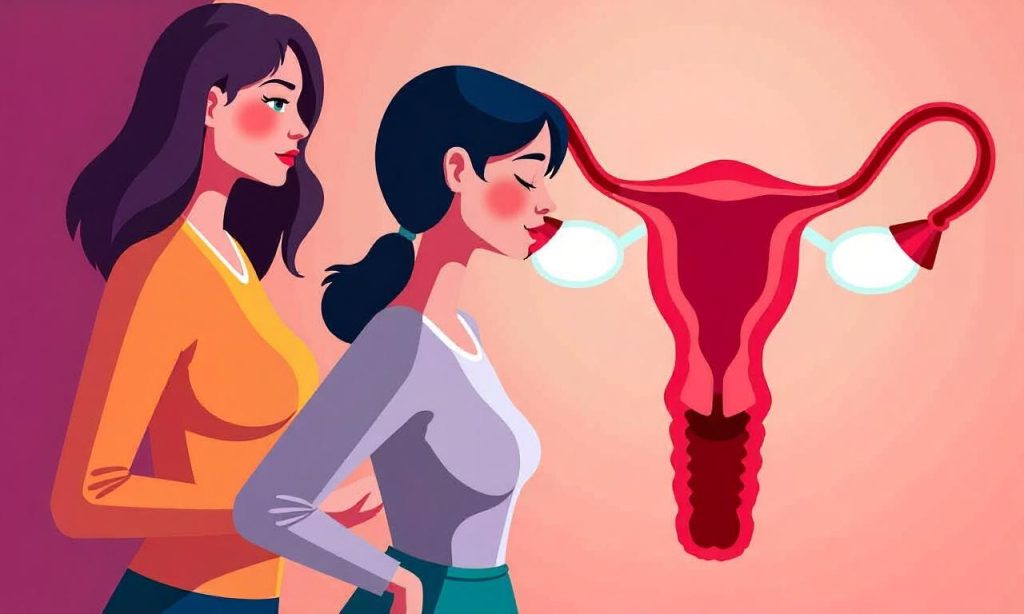
Maintaining a healthy menstrual cycle is essential for overall well-being and reproductive health. For women, the menstrual cycle is not just a monthly event but a critical indicator of physical and emotional balance. A regular cycle can signify hormonal harmony, while irregularities may point to underlying health issues such as stress, poor nutrition, or lifestyle factors. Whether you’re experiencing painful periods, heavy bleeding, or irregular timing, understanding how to maintain a healthy menstrual cycle can help you manage symptoms and improve quality of life. This article explores essential tips for women to support a regular and healthy menstrual cycle, covering lifestyle adjustments, health habits, and emotional well-being strategies.
Section Utama
A healthy menstrual cycle is influenced by a combination of factors, including diet, physical activity, sleep patterns, and stress management. By making small but consistent changes to your daily routine, you can encourage your body to function optimally. One of the most important aspects is maintaining a balanced diet that provides essential nutrients. Women who consume a diet rich in fruits, vegetables, whole grains, and lean proteins often report fewer menstrual irregularities. Additionally, staying hydrated by drinking enough water can help regulate bodily functions and reduce bloating. On the other hand, excessive caffeine or sugar intake may disrupt hormonal balance, leading to more frequent or painful periods.
Subsection
Balanced Diet is a cornerstone of a healthy menstrual cycle. Nutrients such as iron, calcium, vitamin B6, and omega-3 fatty acids play a significant role in reducing cramps and inflammation. For example, foods high in iron like spinach and red meat can help replenish blood loss during menstruation, while calcium-rich options such as dairy products or fortified plant-based alternatives support bone health and muscle function. A diet that includes fiber and complex carbohydrates can also stabilize energy levels and mood swings, which are common during the menstrual cycle. It's important to avoid extreme diets or fasting, as they may throw off your body’s natural rhythm. Instead, aim for portion control and nutrient-dense meals that fuel your body without causing spikes in blood sugar. Incorporating anti-inflammatory foods like turmeric, ginger, and leafy greens can further alleviate discomfort. For instance, drinking turmeric milk before bedtime is a popular remedy to reduce menstrual pain.
Subsection
Regular physical activity is another key factor in maintaining a healthy menstrual cycle. Exercise helps regulate hormones, reduce stress, and improve blood flow, all of which can contribute to a more predictable cycle. However, it’s crucial to find the right balance. Overexertion or intense workouts during the menstrual phase may worsen symptoms, while moderate exercise like walking, yoga, or swimming can provide relief. Yoga is particularly beneficial for menstrual health, as it promotes relaxation and reduces tension in the pelvic area. Poses such as child’s pose (balasana) or cat-cow stretch (marjaryasana-bitilasana) can ease cramping and improve circulation. Additionally, low-impact exercises like pilates or stretching routines help strengthen the core and support hormonal balance. Women who engage in consistent exercise often notice fewer menstrual irregularities and improved overall vitality. Staying active also helps manage weight, which is a key component of a healthy cycle. Excess weight can lead to hormonal imbalances, while underweight conditions may disrupt ovulation. Aim for at least 150 minutes of moderate exercise per week to maintain optimal health.
Subsection
Stress management is often overlooked but plays a vital role in menstrual health. Chronic stress can interfere with the release of hormones such as cortisol, which may suppress progesterone and estrogen levels, leading to irregular cycles or missed periods. Simple stress-reduction techniques like meditation, deep breathing, or journaling can help restore hormonal balance. Mindfulness practices such as guided meditation or mindful walking encourage relaxation and mental clarity. For example, taking 10 minutes of deep breathing each day can lower cortisol levels and reduce anxiety. Sleep hygiene is also crucial, as poor sleep can exacerbate menstrual symptoms like fatigue and mood swings. Aim for 7-9 hours of quality sleep each night to support your body’s natural rhythms. Incorporating hobbies or activities you enjoy can further alleviate stress. Whether it’s reading, painting, or spending time in nature, finding moments of relaxation can have a positive impact on your menstrual health.
Section Utama
In addition to lifestyle habits, health habits such as avoiding harmful substances and monitoring your cycle can significantly influence menstrual regularity. Smoking, for instance, has been linked to irregular periods and menstrual disorders, as it affects hormone production and blood vessel function. Women who quit smoking often experience improvements in their menstrual patterns within a few months. Alcohol and caffeine consumption should also be moderated. Excessive intake can lead to dehydration, hormonal fluctuations, and even menstrual pain. While a moderate amount of alcohol or caffeine is acceptable, it’s best to limit these during the menstrual phase to avoid worsening symptoms. For example, avoiding alcohol on the day of your period can reduce bloating and discomfort.
Subsection
Tracking your menstrual cycle is an effective way to understand your body’s patterns and identify any irregularities. Using a menstrual tracking app or a calendar allows you to monitor the duration, flow, and symptoms associated with each cycle. This practice can help you anticipate periods, manage symptoms like PMS, and detect potential issues early. Consistency in tracking is key. Recording your cycle length, basal body temperature, and ovulation signs can provide valuable insights into your hormonal health. For instance, if you notice a cycle that consistently lasts less than 21 days or more than 35 days, it may indicate a need for further evaluation. Women who track their cycles often report feeling more empowered and informed about their bodies. Tracking also helps in identifying triggers such as diet changes, stress, or lifestyle factors that may affect your cycle. By analyzing patterns over time, you can make informed adjustments to support a healthier menstrual cycle.
Subsection
Regular health check-ups and understanding your medical history are essential for maintaining a healthy menstrual cycle. If you experience persistent pain, heavy bleeding, or irregular timing, it’s important to consult a healthcare provider. Conditions such as polycystic ovary syndrome (PCOS), thyroid disorders, or endometriosis can all affect menstrual regularity, and early diagnosis can lead to effective treatment. Testing for hormonal imbalances may be necessary if your cycle is frequently disrupted. Blood tests can help assess progesterone, estrogen, and thyroid hormone levels, which are crucial for ovulation and menstrual regularity. Additionally, consulting a gynecologist can provide personalized guidance tailored to your specific needs. For example, hormonal contraceptives may be recommended to regulate cycles in certain cases. Staying proactive about your health can prevent complications and ensure long-term well-being. By addressing issues early and maintaining open communication with your healthcare provider, you can support a healthier menstrual cycle.
Section Utama
Emotional well-being is closely tied to physical health, and mental health practices can play a significant role in maintaining a healthy menstrual cycle. Mood swings, fatigue, and emotional sensitivity are common during the menstrual phase, but they can be managed with the right strategies.

Subsection
Managing stress is a critical aspect of emotional well-being that affects menstrual health. Chronic stress can lead to hormonal imbalances, causing irregular cycles or exacerbating symptoms. Practicing stress-reduction techniques such as yoga, journaling, or mindfulness can help stabilize your mood and support cycle regularity. Incorporating relaxation techniques into your daily routine can reduce the impact of stress on your menstrual cycle. For example, guided visualization or progressive muscle relaxation can promote a sense of calm and ease tension. Women who prioritize mental health often experience fewer menstrual disruptions and improved overall wellness.
Subsection
Emotional support is another key element in maintaining a healthy menstrual cycle. Talking to friends, family, or a therapist can help process menstrual-related emotions and reduce anxiety or depression. Support groups or online communities can also provide a sense of belonging and shared experiences. Self-compassion is essential during the menstrual phase, as it’s common to feel frustrated or overwhelmed by symptoms. Acknowledging your emotional needs and taking time to rest can make a significant difference. For instance, allowing yourself to take breaks from work or prioritizing self-care can help maintain mental and physical balance. Building a support network can also encourage healthy habits and positive mindset. Whether it’s through social interactions or professional guidance, having someone to talk to can ease the emotional burden of menstruation.
Subsection
Staying informed about menstrual health can empower women to take control of their cycles. Learning about hormonal changes, symptoms, and natural remedies can help you make informed decisions about your lifestyle and health. For example, understanding how to manage PMS can reduce its impact on daily life. Education is a powerful tool in maintaining a healthy menstrual cycle. Resources such as books, online articles, and podcasts can provide valuable insights into menstrual health. Additionally, attending workshops or webinars on reproductive wellness can help you develop effective coping strategies. Keeping up with the latest research and health guidelines ensures you’re using science-backed methods to support your cycle. By staying informed and proactive, you can address menstrual irregularities before they become problematic.
Subsection
Lifestyle adjustments such as sleep, diet, and exercise should be integrated into your daily routine for long-term benefits. Prioritizing quality sleep helps regulate hormonal production, while nutrient-rich diets and consistent exercise support overall health. These changes not only improve menstrual regularity but also enhance energy levels and mood stability. Creating a <strong>personalized plan</strong> that fits your lifestyle and preferences is more sustainable. For example, incorporating physical activity you enjoy, such as dancing or gardening, can make exercise a pleasurable habit rather than a chore. Similarly, adjusting your diet to include foods that support your cycle can be more effective than restrictive diets. Consistency is the key to success. Small, daily changes such as drinking more water, taking short walks, or practicing deep breathing can accumulate over time to make a significant impact. By committing to these habits, you can maintain a healthy menstrual cycle and improve your quality of life.
Section Utama
Incorporating natural remedies and alternative therapies can also aid in maintaining a healthy menstrual cycle. Herbal teas such as chamomile, peppermint, and ginger are known for their soothing properties and can help relieve cramps and reduce bloating. Warm compresses applied to the lower abdomen can ease menstrual pain by improving blood flow and relaxing muscles. Similarly, massage therapy targeting the pelvic region can alleviate tension and promote relaxation. Women who use natural remedies often find them to be gentle and effective alternatives to medications.
Subsection
Mind-body practices such as acupuncture or tai chi can also support menstrual health. These therapies work by balancing the body’s energy flow and reducing stress, which are both linked to cycle irregularities. Acupuncture, in particular, has been shown to regulate hormones and reduce pain associated with menstruation. Exploring <strong>alternative therapies</strong> can provide additional benefits beyond traditional methods. For example, essential oils like lavender or clary sage can be used in diffusers or massage oils to calm the nervous system and reduce menstrual discomfort. These practices are safe for most women and can be combined with other lifestyle changes for optimal results. Dietary supplements such as magnesium, vitamin D, or omega-3s may also support menstrual health. However, it’s important to consult with a healthcare provider before starting any new supplements, as they can interact with medications or existing conditions.
Subsection
Emotional well-being is closely linked to physical health, and positive mindset can significantly influence menstrual regularity. Practicing gratitude or positive affirmations can help shift your focus from negative symptoms to overall wellness. For instance, **writing down
