
How Thyroid Issues Impact Women’s Health: Key Insights
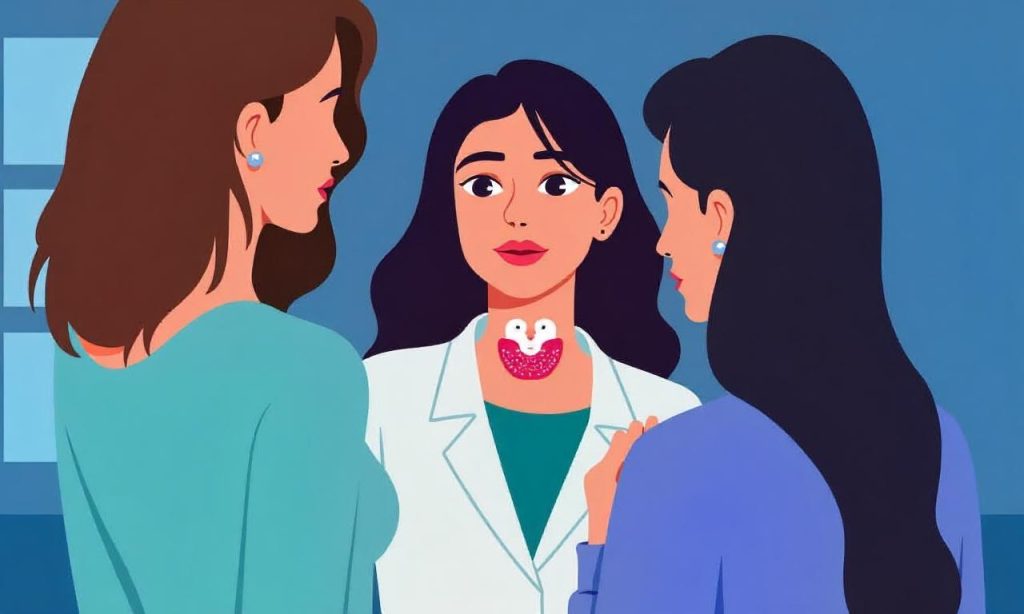
The thyroid gland plays a critical role in regulating the body’s metabolism, energy levels, and hormonal balance, making it a key player in women's health and thyroid issues. For women, thyroid disorders can have far-reaching effects on fertility, menstrual cycles, weight management, and overall well-being. Understanding how thyroid issues impact women’s health is essential for early detection, proper treatment, and maintaining quality of life. This article explores the connection between thyroid health and women’s wellness, highlighting the most common conditions, their symptoms, and how they can be managed effectively.
The Thyroid’s Role in Women’s Health
The thyroid gland, located in the neck, produces hormones that control metabolic processes. In women, these hormones interact closely with reproductive and hormonal systems. Thyroid issues can disrupt the delicate balance of estrogen and progesterone, leading to irregularities in menstrual cycles, fertility challenges, and even complications during pregnancy. For instance, hypothyroidism (an underactive thyroid) can slow down metabolic functions, causing weight gain, fatigue, and mood changes. Conversely, hyperthyroidism (an overactive thyroid) can accelerate metabolism, leading to unintended weight loss, anxiety, and irregular periods. These conditions are often more prevalent in women due to hormonal fluctuations, genetic predispositions, and autoimmune factors like Hashimoto’s disease.
Common Thyroid Conditions in Women
The most prevalent thyroid conditions affecting women are hypothyroidism and hyperthyroidism, but other disorders such as thyroid nodules, thyroiditis, and thyroid cancer also play a role. Hypothyroidism occurs when the thyroid doesn’t produce enough hormones and is more common in women, especially after pregnancy or during menopause. Hyperthyroidism, on the other hand, is often linked to Graves’ disease, an autoimmune condition that disproportionately affects women. Thyroid nodules—benign growths on the thyroid—may cause hormonal imbalances or, in rare cases, become cancerous. Early recognition of these conditions is crucial, as untreated thyroid disorders can lead to long-term health complications. Women’s health and thyroid issues are frequently intertwined, with symptoms often being subtle or mistaken for other conditions.
Impact on Reproductive Health and Fertility
Thyroid dysfunction can significantly affect women's health and thyroid issues related to reproductive health. Hypothyroidism, for example, can interfere with ovulation and lead to infertility. Women with untreated hypothyroidism may experience irregular menstrual cycles, difficulty conceiving, or increased risk of miscarriage. On the flip side, hyperthyroidism can cause menstrual irregularities, including lighter or more frequent periods, and may also impact fertility by disrupting the hormonal signals necessary for successful conception. During pregnancy, thyroid issues can pose risks to both the mother and the developing baby. Untreated hypothyroidism during pregnancy increases the likelihood of preterm birth, low birth weight, and developmental delays in the child. Therefore, managing thyroid health is vital for women planning to conceive or already pregnant.
Symptoms and Diagnosis Challenges
Recognizing the symptoms of thyroid disorders is crucial for timely intervention. Common signs of thyroid issues in women include fatigue, weight gain or loss, hair loss, dry skin, mood swings, and changes in menstrual patterns. However, these symptoms can often be overlooked or attributed to other conditions, such as stress, menopause, or hormonal imbalances. This makes diagnosing thyroid disorders in women more complex. Blood tests measuring thyroid-stimulating hormone (TSH) and free thyroxine (T4) levels are standard diagnostic tools, but some women may experience subtle symptoms that require further investigation. Additionally, factors like iodine intake, diet, and lifestyle can influence thyroid function, compounding the challenge of accurate diagnosis.
Treatment and Management Options
Treating thyroid disorders requires a tailored approach based on the specific condition and its severity. Hypothyroidism is typically managed with hormone replacement therapy, such as levothyroxine, which helps restore normal hormone levels. Hyperthyroidism may be treated with antithyroid medications, radioactive iodine, or surgery, depending on the cause and symptoms. Lifestyle adjustments also play a vital role in managing women's health and thyroid issues. A balanced diet rich in iodine and selenium can support thyroid function, while stress management and regular exercise may alleviate symptoms. Women should work closely with healthcare providers to monitor their thyroid levels and adjust treatments as needed, especially during key life stages like pregnancy or menopause.
The Connection Between Stress and Thyroid Function
Stress is a major factor in the development and exacerbation of thyroid issues, particularly in women. Chronic stress can disrupt the hypothalamic-pituitary-thyroid (HPT) axis, which regulates thyroid hormone production. This disruption may lead to fluctuations in hormone levels, contributing to symptoms like fatigue, weight gain, and anxiety. Stress also impacts the immune system, increasing the risk of autoimmune thyroid diseases such as Hashimoto’s thyroiditis. Women often face higher stress levels due to work, family responsibilities, and hormonal changes, making them more susceptible to thyroid-related problems. Incorporating stress-reduction techniques like yoga, meditation, and adequate sleep can help maintain thyroid health and improve overall well-being.
Long-Term Effects on Women’s Wellness
If left untreated, thyroid disorders can have lasting effects on women's health and thyroid issues. Hypothyroidism, for instance, can lead to complications such as cardiovascular disease, high cholesterol, and depression. Hyperthyroidism may result in bone loss, heart palpitations, and even thyroid storm—a severe, life-threatening condition. These long-term consequences highlight the importance of regular thyroid screenings, especially for women with a family history of thyroid disease or other risk factors. Early diagnosis and management not only address immediate symptoms but also reduce the risk of chronic health problems. Women should remain proactive in monitoring their thyroid health and seeking medical advice if they notice persistent changes in their body.
The Importance of Regular Checkups
Routine health checkups are essential for detecting thyroid issues in women, as symptoms can be vague and easily misinterpreted. Women over 35, those with a family history of thyroid disease, or those experiencing unexplained fatigue and weight changes should prioritize thyroid function tests. Early detection allows for prompt treatment, which can prevent complications and improve quality of life. For example, a simple blood test can identify hypothyroidism, enabling timely hormone replacement therapy. Additionally, women with a history of miscarriage or infertility should consider thyroid screening to uncover potential underlying causes. Regular checkups ensure that women's health and thyroid issues are addressed before they significantly impact daily life.

Managing Thyroid Health Through Diet and Lifestyle
Diet and lifestyle choices can influence thyroid function and help manage women's health and thyroid issues. Consuming foods rich in iodine, such as seaweed, dairy, and eggs, supports thyroid hormone production. Selenium, found in nuts, seeds, and fish, also plays a role in thyroid health by aiding in hormone metabolism. However, excessive iodine intake can worsen hyperthyroidism, so balance is key. Lifestyle factors like smoking, alcohol consumption, and exposure to environmental toxins may also affect thyroid function. Women should maintain a healthy weight, as obesity can contribute to hormonal imbalances and thyroid disorders. Regular exercise, adequate sleep, and stress management further support thyroid health and overall wellness.
The Role of Hormonal Changes in Thyroid Disorders
Hormonal fluctuations, such as those during pregnancy, menstruation, or menopause, can heighten the risk of thyroid disorders in women. For example, during pregnancy, increased estrogen levels may affect thyroid hormone binding, leading to higher thyroid hormone requirements. Postpartum thyroiditis, an inflammation of the thyroid after childbirth, is another condition that affects women. Menopause can also impact thyroid function, as declining estrogen levels may influence hormone production and metabolism. These hormonal shifts make women more vulnerable to thyroid issues, emphasizing the need for vigilance in monitoring thyroid health throughout life.
Future Outlook and Preventive Measures
As research continues to uncover the intricate relationship between women's health and thyroid issues, preventive measures are becoming more effective. Educating women about the signs and symptoms of thyroid disorders can lead to earlier diagnosis and better outcomes. Lifestyle modifications, such as maintaining a balanced diet and managing stress, can also reduce the risk of developing thyroid problems. Advances in medical technology, including more accurate diagnostic tools and targeted treatments, are improving care for thyroid-related conditions. Women should prioritize thyroid health as part of their overall wellness routine, especially during periods of hormonal change. By staying informed and proactive, they can take control of their health and reduce the impact of thyroid disorders.
FAQ Q: What are the most common thyroid issues in women? A: The most common thyroid issues in women include hypothyroidism, hyperthyroidism, thyroid nodules, and autoimmune disorders like Hashimoto’s thyroiditis.
Q: How do thyroid disorders affect fertility in women? A: Thyroid disorders can disrupt ovulation and hormone balance, leading to infertility. Untreated conditions like hypothyroidism may also increase the risk of miscarriage.
Q: Can thyroid issues cause irregular menstrual cycles? A: Yes, thyroid disorders can interfere with reproductive hormones, causing irregular, heavy, or absent menstrual periods.
Q: What should I do if I suspect a thyroid problem? A: If you experience symptoms like fatigue, weight changes, or mood swings, consult a healthcare provider for thyroid function tests.
Q: Are there lifestyle changes that can help manage thyroid health? A: Yes, a balanced diet, stress reduction, and regular exercise can support thyroid function and reduce the risk of disorders.
