
What it takes to keep the area around ‘The World’s Most Famous Arena’ secure during the NBA Finals
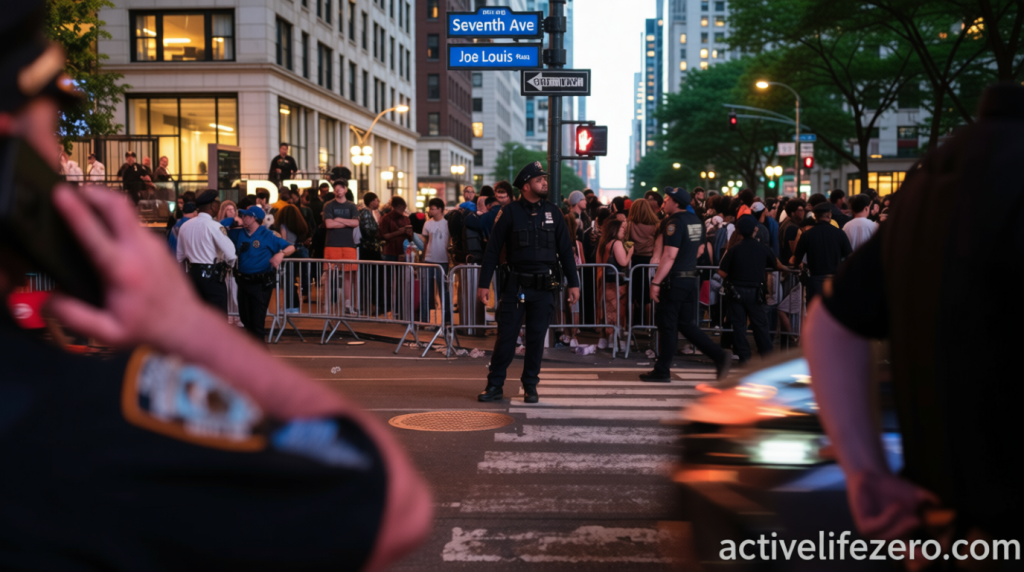
Enhanced Security Measures for the NBA Finals at Madison Square Garden
What it takes to keep the area – New York City law enforcement agencies are deploying a robust security strategy to safeguard the area surrounding Madison Square Garden during the upcoming NBA Finals. This month, the iconic venue is set to host the championship games for the first time since 1999, prompting authorities to adopt an intensified approach to counter potential threats. With the threat environment at a heightened level, officials are implementing a multifaceted plan that includes additional personnel, real-time surveillance, and advanced intelligence operations.
A Proactive Approach to Threat Mitigation
Officials emphasize that the security measures are not reactive but rather anticipatory, designed to prevent any incidents before they occur. The FBI’s Joint Terrorism Task Force, alongside the NYPD’s intelligence units, is working closely to monitor suspicious activities and share critical information. This collaboration has been a cornerstone of security efforts since the September 11, 2001, attacks, and remains central to the current strategy. Drones are also being used to patrol the vicinity, adding an extra layer of monitoring to the traditional methods of crowd control and surveillance.
James Barnacle, the FBI’s Assistant Director in charge of the New York Field Office, highlighted the importance of these coordinated efforts. “We’ve been operating in a high-risk environment for several years, and that has not changed,” he said. “Our intelligence networks are constantly scanning for any signs of threat, and if we detect them, we’ll take immediate action to neutralize the risk.” The plan encompasses a range of tactics, from increased police presence to specialized teams ready to respond to crises. These include SWAT units, bomb technicians, and evidence collection teams, all of whom are stationed near the arena to ensure rapid reaction times.
Collaborative Security Framework
The security plan reflects a broader shift toward integrated operations, with multiple agencies collaborating to address both domestic and international risks. Barnacle noted that the FBI’s Joint Operations Center, a central hub for monitoring and coordinating responses, will be fully operational before the start of Game 3. This center, located in Lower Manhattan, has been instrumental in tracking potential threats, particularly in the wake of global events that have raised concerns about terrorism in the United States.
Plans to activate the Joint Operations Center were initially scheduled for June, but they were accelerated after the New York Knicks reached the finals. “This summer, the FBI will have personnel on the streets every day,” Barnacle explained. “We’re not just preparing for a single event; we’re setting up a comprehensive system to detect and respond to threats across the city.” This proactive stance is part of a larger effort to ensure that the area around “The World’s Most Famous Arena” remains secure, especially given the heightened risk levels following the Hamas attack on Israel in October 2023 and the escalating tensions in the Middle East.
Recent Arrests and Threats
Recent arrests have underscored the need for these heightened security protocols. In March, two men were detained for allegedly planting homemade explosives in a protest near Gracie Mansion, a key location in Manhattan. Federal prosecutors stated the pair were influenced by ISIS, demonstrating the persistent influence of foreign extremist groups on domestic activities. Last month, an Iraqi militant leader was arrested for planning to attack a synagogue in New York City. The suspect was coordinating at least 18 terrorist plots across Europe, according to a criminal complaint.
Barnacle pointed out that while the specific threat against the NBA Finals is still under investigation, the FBI has been vigilant in identifying red flags. “We don’t have a direct threat yet, but we’re always on the lookout,” he said. “Every suspicious action is treated as a potential indicator, and we’re ready to act swiftly if needed.” These incidents have reinforced the importance of intelligence-sharing and the deployment of specialized teams, ensuring that no potential threat is overlooked.
Expanding NYPD’s Intelligence Role
The NYPD has also played a critical role in bolstering security. Commissioner Jessica Tisch, who testified about the agency’s efforts, noted that over 100 arrests were made last year targeting individuals linked to foreign terrorist organizations, domestic extremists, and lone-wolf operatives. “The NYPD’s intelligence bureau has been working closely with federal partners to identify and neutralize risks before they escalate,” she said. This partnership has allowed for a more coordinated response to security challenges, leveraging both local and national resources.
The threat environment has evolved significantly since the pre-9/11 era, when security concerns were less pressing. Barnacle explained that the FBI’s current strategy is more extensive, involving not only domestic monitoring but also tracking threats abroad. “We’ve expanded our reach by deploying agents overseas to monitor activities that could impact the U.S.,” he said. “This global perspective ensures we’re prepared for any scenario, whether it’s a local protest or a coordinated attack.”
Preparation for the Finals
Madison Square Garden, known as “The World’s Most Famous Arena,” will host Games 3 and 4 of the NBA Finals on June 5 and June 7, respectively. Game 6 is set for June 16, contingent on the series requiring an additional match. These games have drawn significant attention, not only for their sporting importance but also for the security challenges they present. The FBI’s Joint Operations Center will be fully operational before the first game, ensuring that all possible threats are assessed and addressed in real time.
Law enforcement agencies have also increased their presence in the surrounding neighborhoods, particularly near the arena and other high-profile sites. “We’re not just focusing on the games themselves,” Barnacle said. “We’re securing the entire area, from the streets to the transit systems, to ensure a safe environment for fans and players alike.” This expanded focus reflects the comprehensive approach taken to protect the city during major events, especially when the threat level is elevated.
Legacy of Collaborative Security
While the NBA Finals represent a significant event, the security measures are part of a larger, ongoing effort to maintain safety in New York. Barnacle emphasized that the collaborative framework between the FBI and local agencies has been crucial in adapting to new challenges. “Since the Knicks reached the finals, we’ve strengthened our partnerships and optimized our operations to handle both immediate and long-term threats,” he said. This integration has allowed for a more agile response, combining the strengths of different agencies to address a wide range of security concerns.
Despite the absence of a credible threat to the city’s major events, the preparations are extensive. The FBI and NYPD are conducting regular drills and training sessions to ensure readiness. “Our teams are prepared to respond to any situation, whether it’s a small-scale incident or a large-scale attack,” Barnacle stated. This vigilance is essential in a world where terrorism remains a persistent threat, and where even minor actions can be indicators of larger plans.
The NBA Finals in New York City are a testament to the city’s commitment to security, even in the face of uncertainty. With the Joint Operations Center up and running and specialized teams deployed, the authorities aim to provide a secure environment for the games. This effort not only protects the event itself but also reinforces the city’s ability to respond to potential threats, no matter their origin.
