
They were the ‘unsung heroes’ of firefighting. Their deaths mark a grim milestone for the new wildland fire service
Colorado Firefighters’ Tragic Loss Marks a Milestone for the New Wildland Fire Service
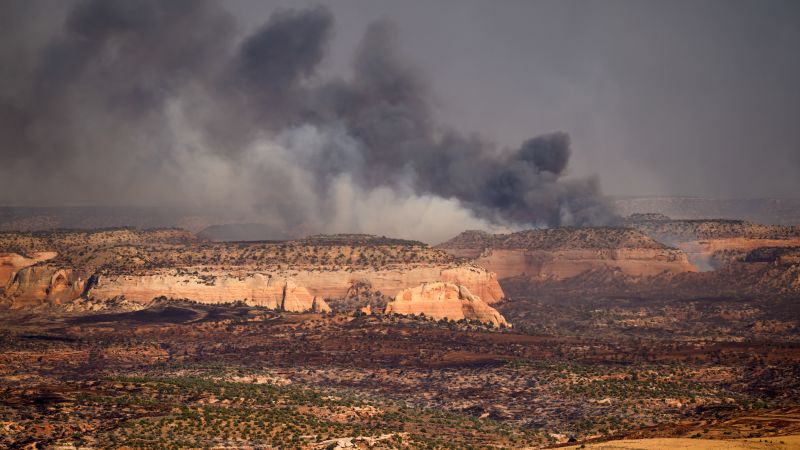
They were the unsung heroes of firefighting — a dedicated team from Rifle County, Colorado, who braved a rapidly intensifying blaze on a Saturday in June. As the skies darkened over the western edge of the state, the Helitack crew, known for their specialized skills in combating remote wildfires, found themselves in a life-threatening situation. A sudden radio alert ordered their evacuation, but flames had already encroached, resulting in three firefighter fatalities and two severe injuries. This incident has become a pivotal moment for the newly established US Wildland Fire Service, highlighting the escalating dangers of modern wildfire response.
The Snyder Fire Incident
The Snyder Fire, which emerged from the merger of the Knowles Fire with other blazes near the Colorado-Utah border, reached catastrophic proportions by Sunday. Officials declared the fire 0% contained, with over 28,000 acres consumed in a matter of days. Among those lost were Emily Barker, 38; Nick Hutcherson, 27; and Sydney Watson, 27, who perished during a sudden burnover. Two additional firefighters were treated for burns, underscoring the extreme conditions now shaping this fire season. The tragedy has reignited conversations about the risks wildland firefighters face, a group often overlooked despite their vital role in safeguarding ecosystems and communities.
“We are witnessing fire behavior that even seasoned firefighters say they’ve never seen before,” said Utah Gov. Spencer Cox. The combination of historic drought, high winds, and climate-driven conditions has created an environment where flames spread with unprecedented speed. Cox emphasized that the Snyder Fire exemplifies the challenges of the new era, where unpredictability and intensity have become the norm for emergency responders.
A New Era in Wildland Firefighting
The Snyder Fire is part of a broader pattern of wildfires that have increasingly tested the limits of firefighting resources in the Western United States. Temporary restrictions, such as canceling July 4 fireworks in Utah, have been implemented to mitigate new ignition risks. Interagency teams, including the Upper Colorado River Fire Management unit, are now under immense pressure to contain these blazes, which have surged in frequency and scale. The incident has exposed the vulnerabilities of the current system, raising questions about preparedness and safety protocols.
“Wildland firefighter deaths have risen from 2% to 10% of all fatalities, according to a study by the American Burn Association,” noted Burk Minor, executive director of the Wildland Firefighter Foundation. This shift reflects the growing intensity of fires, which are now more likely to escalate into disasters. Minor, who has spent decades advocating for these professionals, highlighted how climate change has transformed the landscape of firefighting. “In old-school fire, it was just a wildfire in the mountains. Now, it’s a battle against extreme conditions that demand constant vigilance.”
As the new wildland fire service expands its operations, the need for innovation and adaptability has never been greater. The Helitack crew’s actions during the Snyder Fire demonstrate the bravery of these unsung heroes, who often risk their lives to protect others. Their deployment of foil-lined shelters and coordinated water drops underscores the evolving tactics required to combat today’s wildfires. Yet, despite these advancements, the profession remains perilous, with the focus keyword echoing the enduring challenges faced by those on the frontlines.
