Screwworm is squeezing ranchers on both sides of the border

Daftar Isi
Beef Prices, Border Politics, and a Flesh-Eating Fly Collide at the US-Mexico Line
Activelifezero.com – The question of whether American consumers should pay less for a steak has become entangled with something far older and more visceral: a parasitic fly whose larvae burrow into living cattle and consume tissue from the inside out. New World screwworm, long contained through decades of quarantine and eradication programs, has resurfaced along the southern border, and its reappearance has turned a routine trade decision into a flashpoint pitting ranchers against one another, consumers against producers, and two governments against each other’s agricultural priorities.
On Monday, the US Department of Agriculture intends to reopen a segment of the border at Douglas, Arizona, permitting cattle from Sonora, Mexico, to cross into American markets. The closure that preceded this reopening has been in effect since July 2025, following an earlier shutdown imposed in November 2024. For over a year, Mexican livestock have been locked out of a trade corridor that sustained thousands of rural jobs on both sides of the line.
The Fly That Changed Everything
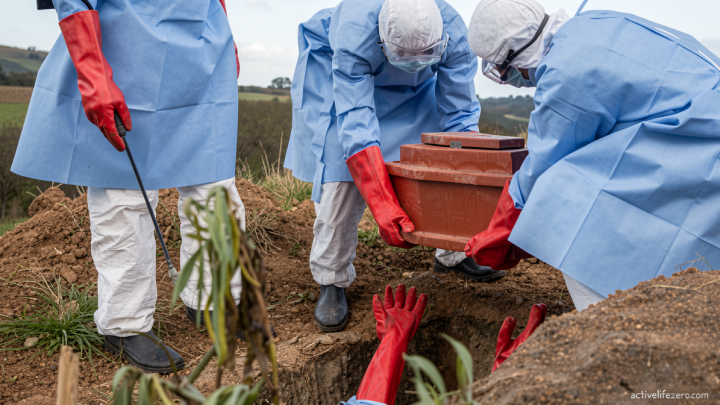
New World screwworm (Cochliomyia hominivorax) lays eggs in wounds or natural openings on warm-blooded animals. The resulting larvae feed on living flesh, often killing livestock within days if untreated. The parasite was eradicated from the continental United States in the 1960s through mass sterilization of male flies, but recent incursions in Texas and across the Mexican border have reignited fears that the old containment perimeter is crumbling. In Chiapas, Mexico, a facility now sterilizes millions of flies weekly in an attempt to starve the population before it can establish itself in new regions.
The stakes for American beef consumers are direct. Cattle prices have climbed to historic highs, and retail beef costs have remained punishingly elevated for more than two years. Ranchers who sell into the domestic market have, for the first time in years, seen meaningful profit margins. That relief, however, is precisely what makes the prospect of cheaper imported cattle so threatening to them.
Mexican Ranchers Counting the Cost of Closure
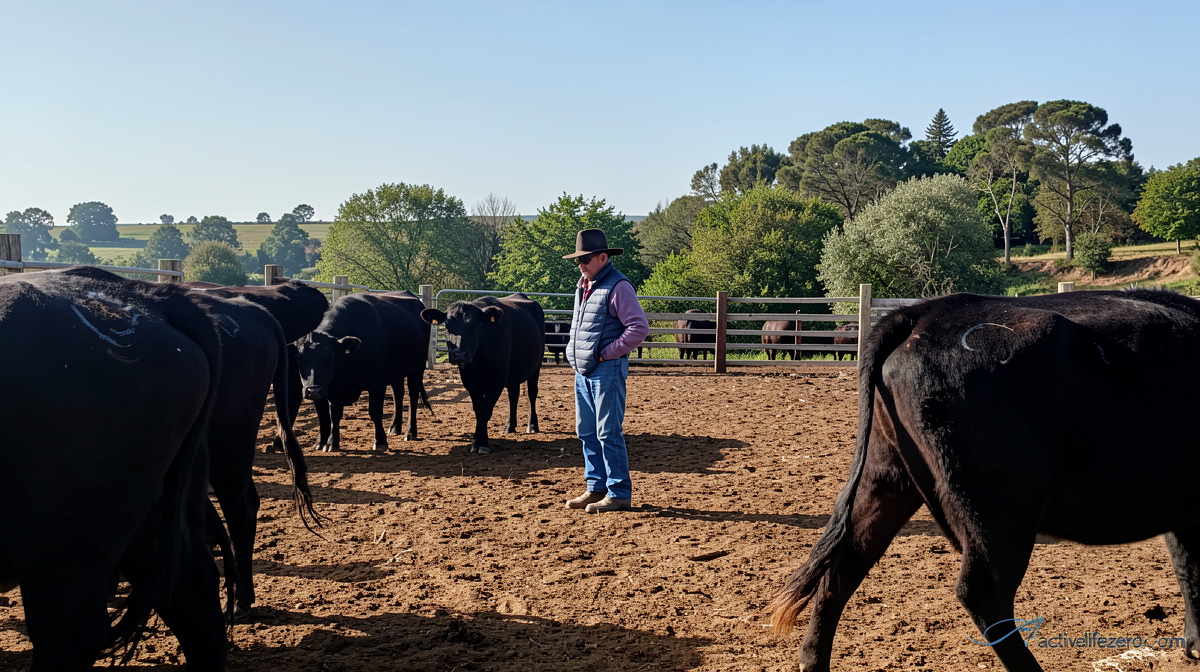
On the Mexican side, the year-long shutdown has devastated operations that depended on cross-border sales. Alvaro Bustillos, who leads the rancher’s union in the state of Chihuahua, described the financial toll in blunt terms:
“I had to fire people. It took me years to build my team. It took me years to build relationships. This is not only about the cattle trade. This is about families bonded together.”
Bustillos is watching the Sonora reopening closely, hoping that a successful pilot will eventually extend to his own region. For ranchers in Chihuahua and other northern states, the border is not an abstraction; it is the difference between payroll and layoff.
US Producers See a Different Ledger
American cattle producers frame the issue differently. They argue that the screwworm closure was never truly about disease control but about market access, and that reopening the border will flood domestic markets with cheaper Mexican beef, depressing prices at exactly the moment US ranchers are finally earning a fair return.
Bill Bullard, CEO of R-CALF, the national association representing independent cattle and sheep farmers, has been among the most vocal opponents of the reopening. A former South Dakota rancher, Bullard situates the screwworm episode within what he calls a generational displacement of domestic production:
“In just over a generation’s time, we wiped out half (of) our cattle producers in this country. It’s because we have been growing our dependence on foreign sources, displacing our domestic production in the United States. It is a threat to national security.”
His framing — national security, not merely economics — reflects a broader anxiety among independent producers who feel squeezed between cheap imports and consolidating meatpackers.
A Rancher in the San Luis Valley
Johnny Mestas, 74, has farmed in the arid San Luis Valley of southern Colorado for most of his adult life. He has survived two heart attacks, decades of drought, and what he describes as a constant three-front war against market volatility, weather extremes, and competitive pressure from neighboring operations.
“Not everybody is meant to be a farmer,” Mestas said. “You’ve got to be half-crazy. There’s three elements you fight: the market, the weather and your neighbors.”
Yet Mestas, who does not depend on Mexican cattle, is nonetheless uneasy about the reopening. His concern is not that screwworm will ride on an imported head of cattle — though that fear exists — but that the influx will undercut the price premium his own animals currently command.
“These past few years, I actually made money!” Mestas said, with an audible hint of amazement. “Years and years, it was basically always break-even.”
The Sonora Complication and the Political Calculus
US officials selected Sonora for the pilot reopening partly because the state maintained high biosecurity standards and had reported no screwworm cases. Days before the scheduled reopening, however, Sonora confirmed its first infestation. The USDA nonetheless stated on Thursday that it would proceed with the plan, treating the single case as manageable under existing inspection protocols.
The timing also carries political weight. With the 2026 midterm elections approaching, beef prices have become a salient campaign issue. Jenna Stanton, director of policy at the US Cattlemen’s Association, told reporters that many ranchers interpret the administration’s push to reopen the border — and its earlier decision to quadruple low-tariff imports of Argentine beef — as a deliberate strategy to cool retail prices before voters head to the polls.
On Friday, the president announced that the United States would import 300,000 metric tons of beef, framing the move as a way to “reduce prices for Americans while giving space for our Great American Beef.” The announcement landed like a second blow in an industry already reeling from the screwworm-driven closure and the prospect of renewed cross-border competition.
What emerges from this tangle is not a simple story of disease versus trade. It is a collision of rural livelihoods, consumer cost-of-living pressure, national food-security doctrine, and electoral timing — all mediated by a fly no larger than a housefly, whose larvae have, for over a century, reminded the Americas that the border between predator and prey is thinner than any fence.
Related Reading
Frequently Asked Questions
What is Screwworm is squeezing ranchers on both?
Screwworm is squeezing ranchers on both is the main topic of this guide. The article explains the context, practical details, and next steps readers should understand.
Why does Screwworm is squeezing ranchers on both matter?
Screwworm is squeezing ranchers on both matters because readers are looking for a useful answer, not just a short summary. Good content should match search intent and help them decide what to do next.