
No fuel, no weapons: How Ukraine’s new drone strategy is mauling Russian supply lines
No fuel, no weapons: How Ukraine’s new drone strategy is mauling Russian supply lines
No fuel no weapons – As the conflict in Ukraine enters its fifth year, the nation has unveiled a groundbreaking approach to warfare that is significantly hampering Russia’s logistical operations. This strategy, centered around the deployment of mid-range drones, has become a critical tool in disrupting the flow of supplies to the southern frontlines. By targeting essential infrastructure and transport networks, Ukraine has not only inflicted damage on Russian military assets but also forced Moscow to rethink its approach to maintaining supply chains. The impact is being felt across various sectors, from fuel transportation to munitions distribution, as these unmanned aerial vehicles continue to challenge Russia’s dominance in the region.
The Evolution of Drone Warfare
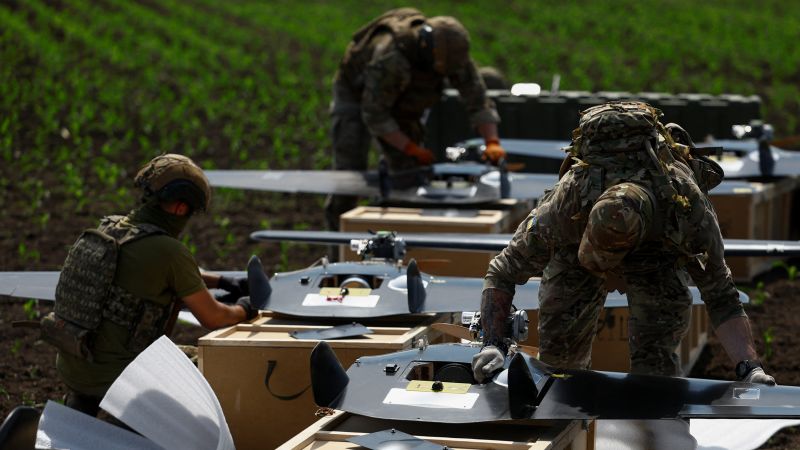
The drones, developed entirely within Ukraine, operate over a range of 50 to 300 kilometers. This capability allows them to strike key supply routes without being directly exposed to enemy fire. Analysts note that these drones have been instrumental in creating a new layer of attack, one that is both versatile and effective. The Ukrainian military has reported a dramatic increase in the frequency of these missions, with the number of mid-range strikes rising by nearly 28 times over the past year. This surge in drone activity has shifted the balance of power, giving Kyiv a strategic advantage in the ongoing battle for control of critical infrastructure.
Among the most notable of these drones are the FP-2 and the Behemoth. The FP-2, designed for precision strikes, and the Behemoth, which can carry a 70-kilogram warhead, are now key components of Ukraine’s aerial arsenal. Their ability to fly at a cruising speed of 180 kilometers per hour (110 miles per hour) makes them difficult to detect and intercept, enabling them to strike targets with minimal warning. This has allowed Ukrainian forces to extend their reach beyond traditional battle zones, targeting logistics hubs and supply depots that are vital to Russia’s military operations.
Impact on Russian Supply Chains
The effectiveness of Ukraine’s drone strategy is evident in the damage inflicted on Russian supply lines. Geolocated video and imagery of approximately 150 attacks on fuel tankers, trucks, and other vehicles have been meticulously analyzed by French open-source analyst Clément Molin and the volunteer-run OSINT group Geoconfirmed. These strikes, which have been concentrated along the southern frontlines since early May, have not only disrupted the flow of fuel but also created logistical bottlenecks that are challenging to resolve. According to Molin, the targeting has extended up to 300 kilometers from the frontlines, redefining the concept of a “kill zone” in modern warfare.
“The Ukrainians have obtained the means to launch a large-scale drone campaign that is severing Crimea’s main supply routes and complicating Russia’s logistical situation across the frontline,” Molin told CNN. This statement underscores the strategic importance of the drones in cutting off Russia’s access to critical resources. The disruption has led to a significant shortage of fuel and munitions for Russian troops stationed in southern Ukraine, which is a crucial blow to Moscow’s plans for a summer offensive. With multiple routes between Russia and the occupied territories now under threat, the enemy faces mounting difficulties in sustaining its operations.
Logistical Challenges and Russian Responses
The Ukrainian military’s Unmanned Systems Forces, responsible for coordinating drone operations, has emphasized the strategic objective of these missions. Their aim is to suppress Russia’s offensive potential, create insurmountable logistical and supply problems, and dismantle air defenses in occupied areas. This has opened the way for longer-range drones to operate more freely, further complicating the Russian military’s ability to respond effectively.
Freight traffic using the Chonhar bridge, a critical link between Crimea and the occupied region of Kherson, has declined by 71% in just two weeks, according to Robert Brovdi, commander of Ukraine’s drone forces. This drastic reduction in movement has forced Russia to rely on alternative routes, such as inefficient pontoon bridges, to maintain its supply lines. Despite these efforts, the repeated strikes on the bridge have left it in ruins, with large holes visible in its road surface. “Petrol tankers and lorries are regularly set alight,” acknowledged a Russian military blogger. “One by one, the links connecting the peninsula to the mainland are being severed.”
Other analysts have observed similar patterns in the data. According to the Institute for the Study of War, geolocated footage from May shows Ukrainian forces targeting at least 35 Russian trucks and vehicles near highways in Crimea and southern Ukraine. This consistent focus on logistics infrastructure has created a ripple effect, with the enemy struggling to replenish its resources. The drones’ ability to strike multiple targets simultaneously has made it increasingly difficult for Russia to maintain the momentum of its operations.
Strategic Gains and Future Implications
Ukrainian Defense Minister Mykhailo Fedorov has called the drone campaign a “logistical lockdown,” highlighting its role in systematically destroying Russian capabilities far behind the frontlines. He stated, “The enemy will no longer feel safe, even at a considerable distance from the line of contact.” This sentiment reflects the growing effectiveness of Ukraine’s strategy, which has forced Russia into a defensive posture. The drones have not only targeted physical infrastructure but also disrupted the psychological balance of the battlefield, making it harder for the enemy to operate with confidence.
The success of this strategy is further evidenced by the sustained pressure on Russian supply lines. The drones have taken aerial control of three major highways running along the coast to Crimea, according to Mick Ryan, a former Australian army officer and author of the blog Futura Doctrina. This has created a multi-pronged attack on the enemy’s logistics, with each strike contributing to the overall disruption. The combination of precision strikes and the ability to operate at a distance has given Ukraine a decisive edge, allowing it to target supply routes without risking significant losses.
As the war continues, the strategic implications of this drone campaign are becoming more apparent. The ability to strike with accuracy and frequency has forced Russia to allocate more resources to defending its supply lines, diverting attention from its primary objectives. This has created a situation where the enemy is not only facing material shortages but also a heightened sense of vulnerability. The drones, once a novelty in warfare, have now become a cornerstone of Ukraine’s defensive and offensive strategies, reshaping the dynamics of the conflict in ways previously unimaginable.
