
Iran’s hardliners warn of a ‘coup’ as US truce comes under pressure
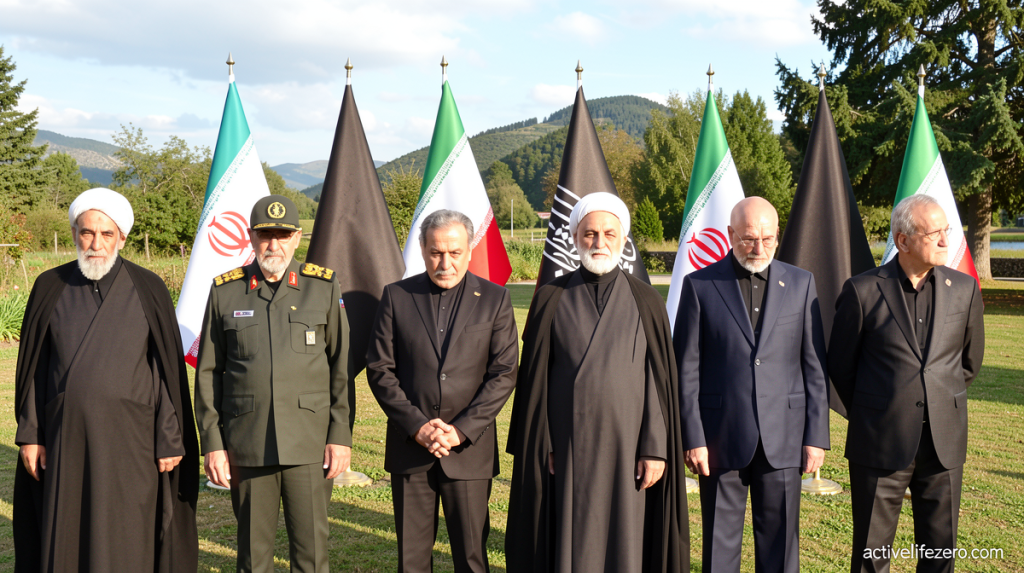
Hardline Factions in Iran Signal Potential Power Shift Amid Truce Uncertainty
Iran s hardliners warn of a coup – During a somber procession through Tehran last week, President Masoud Pezeshkian accompanied the coffin of Supreme Leader Ali Khamenei. Yet the atmosphere surrounding the president was far from respectful. Black-clad mourners chanted not honors for the deceased leader, but pointed criticisms directly at Pezeshkian himself, calling him “the compromiser” and demanding his death. Meanwhile, just a short distance away, another prominent figure faced similar hostility. Abbas Araghchi, Iran’s chief diplomat who had successfully negotiated a ceasefire with the Trump administration and secured the lifting of certain sanctions, was compelled to escape the funeral grounds. A hostile crowd threw stones at him while shouting accusations that he was a “traitorous sellout” to foreign interests.
This wave of animosity toward senior government officials during the funeral proceedings has brought to light a theory that radical elements within the Islamic Republic have been promoting for several months. According to this perspective, the leaders who negotiated and finalized the peace agreement with Washington are orchestrating a subtle coup against the nation’s revolutionary principles. This alleged power grab supposedly occurs while the new supreme leader remains largely out of public sight, either because he fears for his safety or, as some observers propose, because he is physically unable to perform his duties.
The Question of Authority in Tehran
Hardline factions that gathered in substantial numbers for the funeral ceremony maintain that Iranian officials have capitulated rather than avenged Khamenei’s death. They argue that signing the agreement contradicts the directives of Supreme Leader Mojtaba Khamenei, the late leader’s son and designated successor. Despite this, Mojtaba has stayed concealed from public view, neither delivering direct addresses to the nation nor visibly exercising his authority, even as government officials conduct negotiations and governance under his name.
The supreme leader’s absence from his father’s funeral has intensified speculation about his condition and influence. Hardliners have leveled accusations against Iran’s visible leadership—those managing and representing the country while Mojtaba remains hidden—claiming they are attempting to consolidate power through multiple means. These alleged maneuvers include suspending parliament, ignoring Mojtaba’s orders during negotiations, and trying to disperse the nightly street demonstrations that have grown into significant power centers for fundamentalists.
“Warning to the people of Iran: Is a coup on the way??” Mahmoud Nabavian, an outspoken radical lawmaker, asked on X days before Khamenei’s funeral. “In these moments of farewell to the martyred Imam (Khamenei), we raise the banner of vengeance for his blood and stand firm against the coup,” he wrote days later.
With Mojtaba absent from public life, three figures have emerged as the most visible faces of post-war Iran: chief negotiator Mohammad Bagher Ghalibaf, President Pezeshkian, and diplomat Araghchi. According to Arash Azizi, a US-based Iran expert and author of “What Iranians Want,” hardliners unhappy with these leaders’ performance have accused them of plotting a coup against Mojtaba.
“Mojtaba’s continued absence means that they don’t have access to him and also that Ghalibaf and allies are effectively in charge of the country… the ultra-hardliners have thus accused Ghalibaf and Pezeshkian of plotting a ‘coup’ against Mojtaba,” Azizi explained to CNN.
Truce Under Siege
Although calls for wartime unity echoed across Iran, the weeklong grand funeral for Khamenei—who was killed in late February during Israeli airstrikes coordinated with the United States—transformed into a powerful platform for the Islamic Republic’s most hardline supporters. These factions utilized the occasion to amplify their demands for avenging their leader through renewed conflict with Washington and to declare their rejection of any agreement with Trump. Their demands now appear to have been satisfied.
A fragile ceasefire between Iran and the United States nearly collapsed this week after the Revolutionary Guards launched attacks on commercial shipping in the Strait of Hormuz to assert dominance over the strategic waterway. This action prompted retaliatory strikes by Washington and renewed demands from Iranian hardliners to abandon the truce entirely. The conflict with Iran has evolved into what some observers describe as a battle about a tollbooth, with free seas now at risk.
In the weeks preceding the outbreak of hostilities, hardliners directed their anger toward the leaders who signed the deal with the United States. During a ceremony, Mohammad Ali Bakhshi, a security-linked “Maddah” or religious singer loyal to the Iranian regime, issued a stark warning to Pezeshkian: “Mr President, if the leader’s conditions are not fulfilled, then it will be us, the blade and your throat.” He added, “We will bring hell upon you.” Although this open threat to kill the president drew widespread criticism, Bakhshi has not faced any legal consequences to date.
Other officials currently under hardline scrutiny include Iran’s chief negotiator with the United States, Ghalibaf. A former Revolutionary Guard commander with extensive political experience, Ghalibaf’s credentials allowed him to assume leadership during the war, emerging as the regime’s de-facto lead operator in navigating this critical period for Iran.
