
High school senior gets over 5 years in prison for setting homeless man on fire on NYC subway
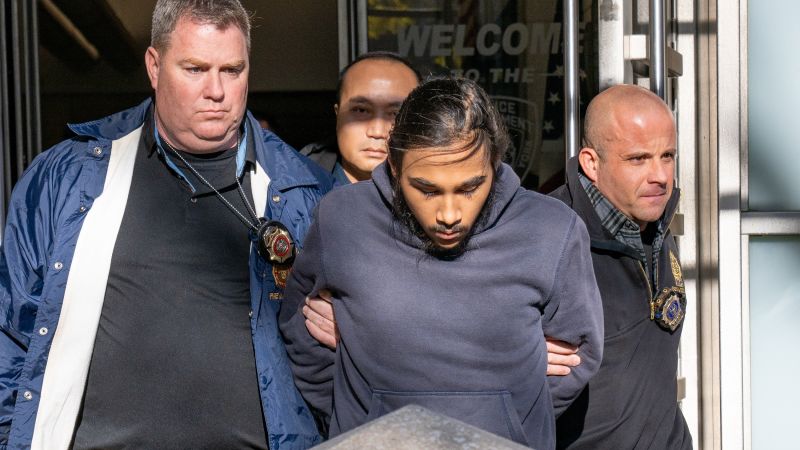
High School Senior Sentenced to Over 5 Years for Subway Fire That Injured Homeless Man
High school senior gets over 5 years – In a case that has drawn national attention, a 19-year-old high school senior has been handed a 5.5-year prison sentence for setting a homeless man ablaze on a New York City subway train. The sentencing, delivered on Tuesday in Manhattan federal court, came after Hiram Carrero admitted to the crime during a March plea agreement. Judge Lewis J. Liman, who presided over the case, opted for a sentence longer than the minimum required for arson, underscoring the severity of Carrero’s actions.
A Heinous Act on Public Transit
The attack took place on December 1, 2025, during an early morning commute. Carrero, who was reportedly under the influence of alcohol and marijuana, ignited a piece of paper in the subway car, leading to a fire that severely burned the victim. The man, who was asleep at the time, suffered critical injuries and permanent scarring, according to court documents. Prosecutors argued that the incident was a deliberate act of violence, noting that Carrero’s intent to harm was evident from the start.
“This was not a momentary lapse in judgment but a calculated effort to kill a sleeping, homeless man by burning him alive and leaving him trapped on a moving subway car,” stated the prosecutors in their presentence report. The lawyer emphasized that Carrero’s actions were “heinous,” as they left the victim with life-altering disfigurement. The man’s survival was attributed to the quick response of emergency personnel, who reached him shortly after the fire began. The subway journey from Penn Station at 34th Street to Times Square, though brief, was described as a “mercifully short trip” in the court filing, highlighting how close the victim came to death.
A Troubled Past and Pandemic Impact
Defense attorney Jennifer Brown, in her court submission, painted a picture of Carrero’s challenging life, beginning even before his birth. The teenager was born prematurely with drugs in his system and was left at the hospital by his biological parents after his birth. “His life has been marked by hardship from the very start,” Brown wrote. This early adversity, combined with a lack of educational opportunities, contributed to his troubled trajectory.
Brown further explained that Carrero’s difficulties worsened during the pandemic, which disrupted his schooling and limited access to resources. “Intellectually challenged, he struggled to adapt, and the pandemic’s impact severed his ability to attend classes,” the lawyer noted. The defense argued that Carrero’s actions were influenced by his emotional state and the stress of his circumstances. “Words are inadequate to express the profound shame and remorse that Hiram feels,” Brown said in court, urging the judge to consider these factors.
The Legal Battle and Sentencing
During the trial, prosecutors presented evidence that Carrero’s conduct was not a one-time incident but part of a pattern of aggression. They cited a series of similar attacks on public transportation across the United States, where individuals have been targeted with flames. “This crime is separated from murder by mere chance,” one of the prosecutors asserted, emphasizing the almost fatal outcome of the incident.
While the defense sought leniency, they did not dispute Carrero’s guilt. Instead, they focused on his personal struggles and the role of substance use in the event. “The defendant was under the influence of alcohol and marijuana, which impaired his decision-making and judgment,” Brown stated. This explanation, however, did not fully satisfy the prosecutors, who viewed it as a justification rather than a mitigation of the crime’s severity.
Judge Liman’s decision to impose a sentence beyond the minimum for arson reflected the gravity of the offense. “The defendant’s actions caused immense suffering and placed a vulnerable individual in life-threatening danger,” the judge noted. The ruling has sparked debate about the balance between accountability and compassion in criminal justice, particularly in cases involving youth and mental health challenges.
Societal Context and Public Reaction
The incident has reignited discussions about homelessness, substance abuse, and the role of the criminal justice system in addressing social issues. Critics argue that the sentence could have been more lenient, given Carrero’s background. However, supporters of the ruling stress the importance of holding individuals accountable for violent acts, regardless of their personal circumstances.
Carrero’s case also highlights the challenges faced by young people in urban environments. The pandemic exacerbated existing inequalities, leaving many without access to stable education, employment, or family support. “This tragedy is a symptom of broader systemic failures,” one public official remarked. “We need to address the root causes, not just the consequences.”
Meanwhile, the victim’s family has spoken out about the emotional toll of the event. “We are grateful he survived, but the pain of this loss will linger for a long time,” said a relative in a statement. The man, who has since been recovering, has become a symbol of the vulnerability of homeless individuals in public spaces. His experience underscores the need for increased safety measures and awareness on transportation systems.
Implications for Future Cases
Legal experts suggest Carrero’s sentence could set a precedent for similar cases. “This ruling emphasizes that even if the victim survives, the intent and impact of the crime matter,” explained a criminal law professor. The decision to increase the sentence beyond the minimum for arson may also reflect growing concerns about public safety in light of recent incidents.
For Carrero, the outcome marks the end of a chapter that began with a single act of violence. His sentence includes time served and potential parole considerations, but the emotional and psychological impact of the crime will likely be long-lasting. “This sentence is a wake-up call for all of us,” said a community advocate. “It reminds us that acts of cruelty, even in moments of chaos, have real and lasting consequences.”
The case has also prompted a review of how the legal system handles crimes involving minors and substance use. Some lawmakers are calling for reforms to address the unique challenges faced by young offenders, while others argue that the current sentence serves as a deterrent. “It’s important to balance rehabilitation with justice,” said a local representative. “But in this instance, the seriousness of the act demanded a firm response.”
As the community processes the verdict, questions remain about how to support individuals like Carrero while ensuring public safety. The incident has become a focal point for discussions on education, mental health, and the role of socioeconomic factors in criminal behavior. For now, Carrero’s story serves as a cautionary tale of how quickly a moment of recklessness can escalate into a life-altering tragedy.
A Legacy of Fire and Reflection
The fire that Carrero set on the subway will be remembered as a stark reminder of the dangers of unchecked anger and impulsivity. While the victim’s survival is a miracle, his suffering highlights the fragility of life in such circumstances. “We need to learn from this case,” said a victim’s rights organization. “It’s not just about punishment, but also about prevention.”
As Carrero begins his prison term, the focus shifts to the broader implications of the case. The legal system’s approach to his sentencing may influence how future cases involving youth and homelessness are handled. “This is a step toward justice, but it’s also a call to action for social programs that can help prevent such tragedies,” the defense lawyer added. The hope is that Carrero’s experience will lead to both personal growth and systemic change.
For the homeless community, the incident has served as a powerful illustration of the risks they face in everyday life. “It’s heartbreaking to see someone so vulnerable targeted in this way,” said a local advocate. The case has also prompted a reevaluation of how cities can improve safety for all passengers, ensuring that no one is left at the mercy of such violence. As the story unfolds, the focus remains on the lessons learned from a crime that blurred the line between accident and intent.
In closing, Carrero’s sentence stands as a testament to the severity of his actions and the justice system’s commitment to holding individuals accountable. While his troubled past may offer context, the outcome sends a clear message about the consequences of violence on public transit. The incident will be remembered as a pivotal moment in the ongoing conversation about crime, compassion, and the need for holistic approaches to justice.
