
Exploring the Latest Trend in Influencer Collaborations for 2026
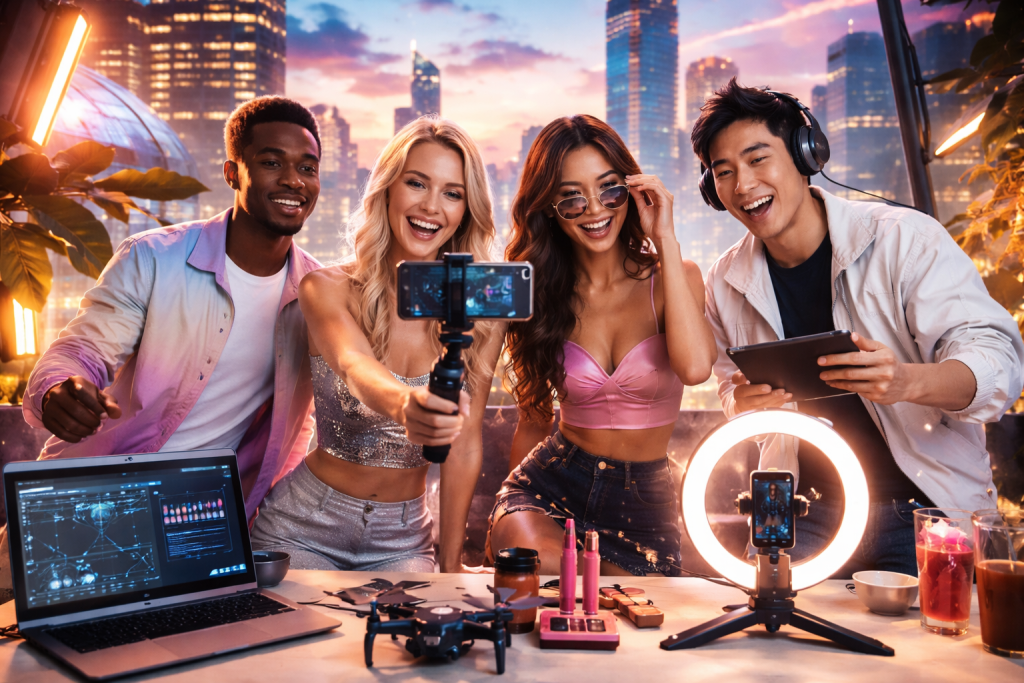
Influencer collaborations have evolved significantly over the past few years, becoming an essential marketing strategy for brands across industries. As we approach 2026, new dynamics are shaping the way influencers work with brands, and businesses must stay on top of these trends in influencer collaborations to remain competitive. From innovative content formats to the rise of niche micro-influencers, understanding the current trends is key to maximizing the potential of influencer partnerships in the coming year.
The Shift Towards Long-Term Partnerships
In previous years, influencer collaborations were often short-term, one-off engagements. However, 2026 is seeing a shift towards long-term partnerships. Brands now recognize the value of building sustained relationships with influencers who align with their values and target audiences. This strategy allows for deeper, more authentic content that resonates with followers over time.
Long-term collaborations offer both influencers and brands the opportunity to create a cohesive narrative, which is more effective in building trust with the audience. Influencers can integrate the brand seamlessly into their content, making promotions feel more natural and less intrusive.
Micro-Influencers and Niche Collaborations Take the Lead
While big-name influencers continue to dominate the scene, 2026 marks the rise of micro-influencers with smaller but highly engaged followings. These influencers specialize in niche topics and industries, offering brands a more targeted approach to reach their audience.
The trend in influencer collaborations is moving towards working with influencers who have a smaller, yet more loyal community. Brands now understand that micro-influencers can deliver higher engagement rates and more personalized content, often at a fraction of the cost of larger influencers. This allows businesses to tap into highly specific demographics while keeping their marketing budgets in check.
Interactive and Immersive Content is Gaining Traction
As technology continues to advance, immersive content is becoming more popular in influencer collaborations. In 2026, expect to see a rise in the use of augmented reality (AR) and virtual reality (VR) to create interactive experiences. Influencers will increasingly use these technologies to create engaging, one-of-a-kind experiences that provide a more interactive way for audiences to connect with the brand.
For example, influencers could host live VR events, or use AR to allow their followers to try on products virtually. These cutting-edge content formats enable influencers to create deeper engagement and provide unique experiences that resonate with their audience, all while driving brand awareness.
The Role of Social Commerce in Influencer Partnerships
Social commerce is quickly becoming an integral part of influencer collaborations. The ability for influencers to sell products directly through social media platforms has taken influencer marketing to the next level. In 2026, expect brands to increasingly leverage social commerce features in their influencer partnerships.
Platforms like Instagram, TikTok, and YouTube now offer seamless ways for influencers to showcase and sell products without the need to redirect their followers to external websites. This integration makes it easier for followers to make immediate purchases, improving the effectiveness of influencer marketing campaigns. As social commerce continues to grow, brands will place a stronger emphasis on driving sales through influencer collaborations.
Data-Driven Campaigns and Transparency
With more advanced analytics tools available, brands are now demanding more transparency and accountability in influencer collaborations. Influencers and brands alike are utilizing data-driven insights to measure the effectiveness of their campaigns, making sure their efforts align with business goals.
In 2026, one of the most important trends in influencer collaborations is the focus on measurable results. Brands are increasingly relying on data to guide their influencer selection, content creation, and campaign optimization. This trend is pushing for more transparency in how influencers report performance metrics, allowing for more strategic and results-driven partnerships.
Influencer Diversity and Inclusivity
As society continues to emphasize diversity and inclusivity, the influencer industry is no different. In 2026, there is a growing trend towards working with influencers from a wide range of backgrounds, including those representing different ethnicities, body types, genders, and sexual orientations. Brands are more aware of the importance of inclusivity in their marketing campaigns and want to ensure their influencer collaborations reflect this.
By collaborating with influencers from diverse backgrounds, brands can appeal to a broader audience, while showing their commitment to equality and representation. This trend is not only about reaching new audiences but also about building trust with consumers who value authenticity and inclusivity in their brand partnerships.
Conclusion
The trend in influencer collaborations for 2026 is all about authenticity, deeper connections, and leveraging emerging technologies. Brands must focus on building long-term relationships with influencers, engaging micro-influencers in niche markets, and experimenting with immersive content formats. As data and social commerce become more prominent, influencer marketing will continue to evolve into a highly strategic and results-driven discipline.
Staying ahead of these trends will help businesses maximize the power of influencer collaborations and create campaigns that truly resonate with their audience.
FAQ
Q: What is the current trend in influencer collaborations for 2026?
A: In 2026, influencer collaborations are focused on long-term partnerships, working with micro-influencers, using immersive content formats, and integrating social commerce.
Q: How are brands using micro-influencers in 2026?
A: Brands are partnering with micro-influencers who have niche, engaged audiences. This allows for more targeted and personalized marketing, often at a lower cost.
Q: How is augmented reality (AR) changing influencer collaborations?
A: Influencers are using AR and VR to create immersive, interactive content that allows followers to engage with brands in new ways, such as trying products virtually or attending live events.
Q: Why is diversity important in influencer collaborations?
A: Brands are focusing on diversity to reflect different ethnicities, body types, and genders, which helps build trust and authenticity with a broader audience.
Q: How is social commerce affecting influencer marketing?
A: Social commerce allows influencers to sell products directly on platforms like Instagram and TikTok, making it easier for followers to purchase products and increasing the effectiveness of influencer marketing.
