
Exclusive: After opting not to retry Harvey Weinstein, Manhattan DA urges legislators to step up for sex assault survivors
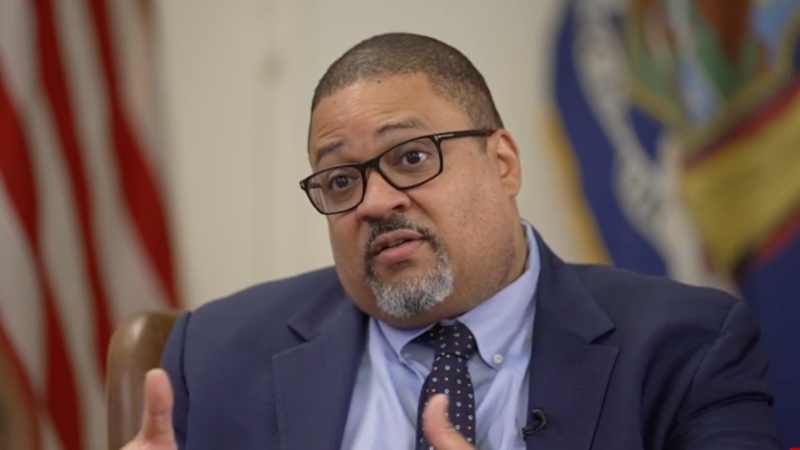
Exclusive: After deciding against a retrial of Harvey Weinstein, Manhattan DA calls for legislative support for sexual assault survivors
Exclusive – Manhattan District Attorney Alvin Bragg shared his reflections with CNN in a recent exclusive interview, highlighting the importance of legislative action to support survivors of sexual assault. Nearly a week following the decision to abandon a fourth retrial of movie producer Harvey Weinstein on rape charges, Bragg emphasized that lawmakers must take steps to ensure the voices of accusers are acknowledged in the justice system. His office had previously secured a conviction of Weinstein in 2020, a pivotal moment for the #MeToo movement and advocates of sexual abuse survivors. However, the New York Court of Appeals later reversed that verdict in 2024, asserting that evidence of Weinstein’s past misconduct—specifically his use of Hollywood influence to exploit others—was improperly admitted.
Legal Challenges and Legislative Efforts
Bragg has been advocating for changes in the legal framework that would allow prosecutors to present testimony about prior bad acts as part of a defendant’s case. This approach, he explained, is crucial for giving full weight to all survivors’ experiences. The current system, he argued, often dismisses such evidence, thereby undermining the credibility of accusers who have already endured significant trauma. Bragg noted that while his office had successfully used this strategy in Weinstein’s 2020 trial, the court’s reversal left the issue unresolved.
Earlier this month, Bragg announced the suspension of a fourth rape trial, citing the accuser’s inability to participate in court proceedings again. This decision came after consultations with the individual who had previously testified against Weinstein. “We’re working closely with members of the legislature to amend the law,” Bragg stated. “We didn’t achieve it this year, but we tried, and we’ll return next year with renewed efforts to ensure that evidence of prior misconduct can be used effectively in court.”
Bills introduced in both the New York State Senate and Assembly aim to update criminal law to permit the use of prior acts as evidence for establishing motive, intent, or planning. However, these proposals were not advanced beyond committee discussions during the current legislative session. Bragg warned that without such reforms, future cases involving sexual assault might face similar challenges, with survivors’ testimonies overlooked despite their critical role in the proceedings.
“We had survivors who came forward, testified, and exposed themselves to 12 strangers in the jury box and the eyes of America. Yet, their testimony was set aside, deemed irrelevant,” Bragg remarked. “That’s how hurtful it was, and in the legal world, this hasn’t received enough attention.”
The Human Toll of the Retrial Process
The decision to stop the retrial also underscored the personal struggles of survivors involved in the case. Jessica Mann, one of Weinstein’s accusers, played a central role in the final decision. Mann, who chose to reveal her identity publicly, wrote a letter to the court explaining her decision to no longer testify. She described the experience of recounting her allegations in court as “deeper re-traumatization and additional trauma.”
Mann recounted how standing before the jury and the public to detail Weinstein’s 2013 rape in a New York hotel left her feeling fragmented and silenced. “In the process of court, I have been fragmented, silenced, defamed, and traumatized,” she wrote. “It was clear to me that I could no longer endure the experience.” Bragg described the letter as “sobering and heartbreaking,” adding that hearing Mann speak in her own words was a powerful moment. “So much of this process is lawyers talking, a judge talking, and we hear from jurors and witnesses. But to have her unfiltered, in her own voice, was important,” he explained.
Bragg acknowledged that Mann’s testimony had been pivotal in previous trials, but the emotional toll of reliving the experience was too great. “She was at the center of this decision,” Bragg said. “Jessica Mann has testified three times at trial, twice at grand jury—very, very challenging, and that’s an understatement. And so, yes, she was at the center of this decision.”
Broader Implications for Survivors
Bragg extended his focus beyond Weinstein’s case, reflecting on the broader impact of the judicial system on survivors. “When I see the courthouse where Weinstein and many others have been tried, I think of all the survivors,” he said. “Those cases are important, especially the high-profile ones, because they can inspire more people to come forward. In that way, they play a crucial role not just for individual accountability, but for the entire movement.”
Yet, Bragg also highlighted the challenges faced by less visible survivors. “There are many people whose names aren’t heard, the survivors who endure the same struggles, who testify repeatedly, face cross-examination, and feel like they don’t have a voice in the system,” he noted. “They go unnoticed, yet their experiences are just as valid and impactful.”
RAINN, a nonprofit organization dedicated to ending sexual violence, supports Bragg’s call for systemic change. According to RAINN, 98% of perpetrators are never fully held accountable through the criminal justice system. This statistic, Bragg suggested, underscores the need for legal reforms that give survivors a stronger platform. “If we don’t address this, the system continues to favor the accused over the accusers,” he said.
Bragg’s office has since initiated new prosecutions against Weinstein on three separate charges related to three different accusers. While the first retrial resulted in a conviction for one criminal act, the other charges were either dismissed or led to a mistrial. The repeated trials, Bragg argued, have demonstrated the system’s inconsistency and the emotional burden on survivors. “Each time they come to court, they’re reminded of the trauma they’ve already endured,” he said. “That’s why we need to ensure their voices are not just heard, but valued.”
As the legislative session concludes, Bragg remains optimistic about the potential for change. “We’re not giving up,” he said. “The fight continues, and next year, we’ll push for the law to reflect the reality of survivors’ experiences. That’s the only way we can make sure justice is served for all.”
