
American passengers from hantavirus-hit cruise ship to stop at Nebraska facility before heading home. Here’s what we know
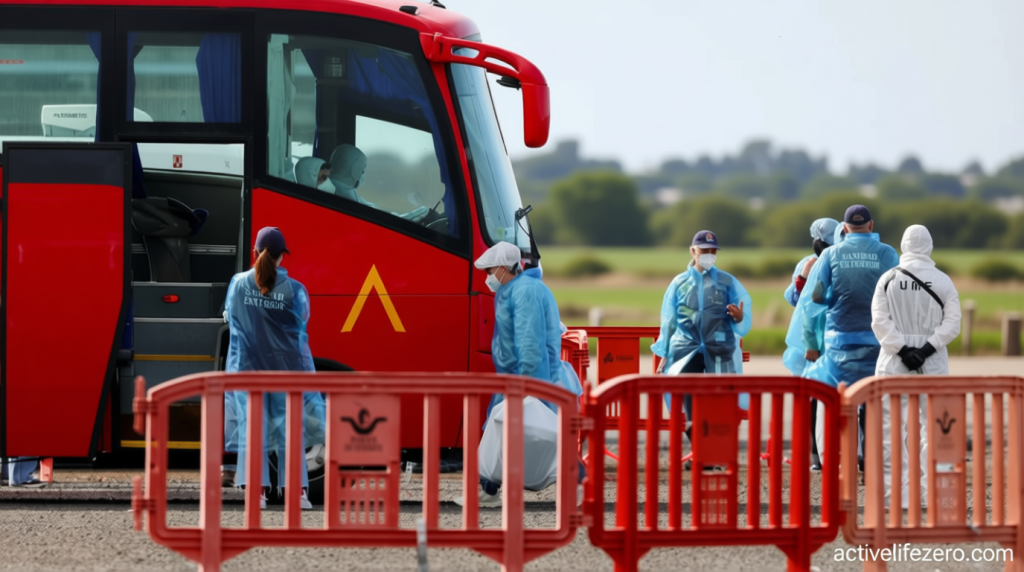
Hantavirus Outbreak: American Passengers from Infected Cruise Ship to Stop in Nebraska
American passengers from hantavirus hit cruise – A hantavirus outbreak on the MV Hondius cruise ship has prompted American passengers to make a critical stop at a Nebraska-based facility before returning home. The Centers for Disease Control and Prevention (CDC) has coordinated this detour to assess the health of travelers and mitigate the risk of viral spread. The decision follows reports from the World Health Organization that the virus, which typically spreads through rodent droppings, may have transmitted between humans during the voyage. This marks a significant shift in the disease’s usual transmission patterns, raising concerns about its potential to spread more widely.
Nebraska Facility: A Hub for Health Monitoring
The American passengers will first arrive in Tenerife, Spain, before being transferred to the National Quarantine Unit at the University of Nebraska Medical Center. This facility, uniquely equipped with single-person rooms and negative air pressure systems, is designed to isolate individuals who may have encountered high-risk infectious diseases. According to officials, the unit’s 20 rooms offer 300 square feet of space per traveler, complete with Wi-Fi, exercise equipment, and en-suite bathrooms, ensuring comfort during the health observation period.
“The Nebraska facility provides a safe environment for close monitoring of passengers exposed to hantavirus,” explained a CDC representative. “Its design minimizes airborne contamination while supporting their well-being during the incubation phase.”
Health authorities emphasize that the quarantine phase is a precautionary measure, not a full lockdown. Passengers will remain at the facility for up to six weeks, during which they will be regularly checked for symptoms. The CDC has confirmed that none of the 17 U.S. passengers currently display signs of illness, though they are prepared to escalate monitoring if needed.
CDC Protocols and Risk Management
The CDC’s strategy involves a combination of on-site evaluations and controlled transportation. After disembarking in Tenerife, passengers will undergo interviews to determine potential exposures to the Andes virus, which is responsible for the outbreak. Those deemed “low risk” will be permitted to return home, while others will stay at the Nebraska facility for further observation. Dr. Jay Bhattacharya, acting CDC director, highlighted that this approach balances safety with practicality for travelers.
“Our goal is to monitor health closely while allowing passengers to continue their journey with minimal public risk,” said a CDC official. “This includes using biocontainment aircraft for transport and providing tailored guidance based on exposure levels.”
Risk assessments will also inform adjustments to daily routines. High-risk passengers may be advised to limit interactions with others, especially in crowded spaces. The CDC is collaborating with state and local health departments to ensure consistent protocols and rapid response in case of new symptoms emerging during the monitoring period.
Home Monitoring and Public Health Measures
Passengers who pass initial screenings will transition to home-based monitoring for the next 42 days. This approach mirrors strategies used during a 2018 hantavirus outbreak, which was effectively contained through similar measures. Families are encouraged to report any changes in health, with a focus on symptoms like fever, fatigue, and respiratory issues, which are common indicators of the virus.
“Home monitoring complements our efforts to track the virus’s incubation phase,” added a CDC spokesperson. “It ensures ongoing surveillance without isolating travelers unnecessarily.”
Public health officials stress that the current situation remains low risk to the broader population. The World Health Organization first identified the outbreak on May 2, prompting swift action to contain it. The Nebraska facility serves as a centralized hub for this process, offering both medical oversight and logistical support for affected passengers.
Global Implications and Continued Vigilance
The hantavirus, previously known for its rodent-to-human transmission, has now demonstrated human-to-human spread. This development has led to increased scrutiny of the MV Hondius cruise ship’s conditions and the potential for similar outbreaks in enclosed environments. CDC experts are analyzing how close contact among passengers might have facilitated airborne transmission, though the exact mechanism is still under investigation.
“This outbreak underscores the need for heightened awareness in travel settings,” noted a WHO representative. “We are monitoring the situation closely to prevent further spread.”
As the American passengers prepare to return home, the CDC and Nebraska Medicine are working to maintain transparency with the public. Updates on the passengers’ health status and the effectiveness of the quarantine measures will be shared regularly. The incident highlights the importance of proactive health protocols in managing infectious diseases, especially in international travel scenarios.
