
40,000 residents under evacuation orders in Southern California as tank containing toxic chemical at risk of explosion
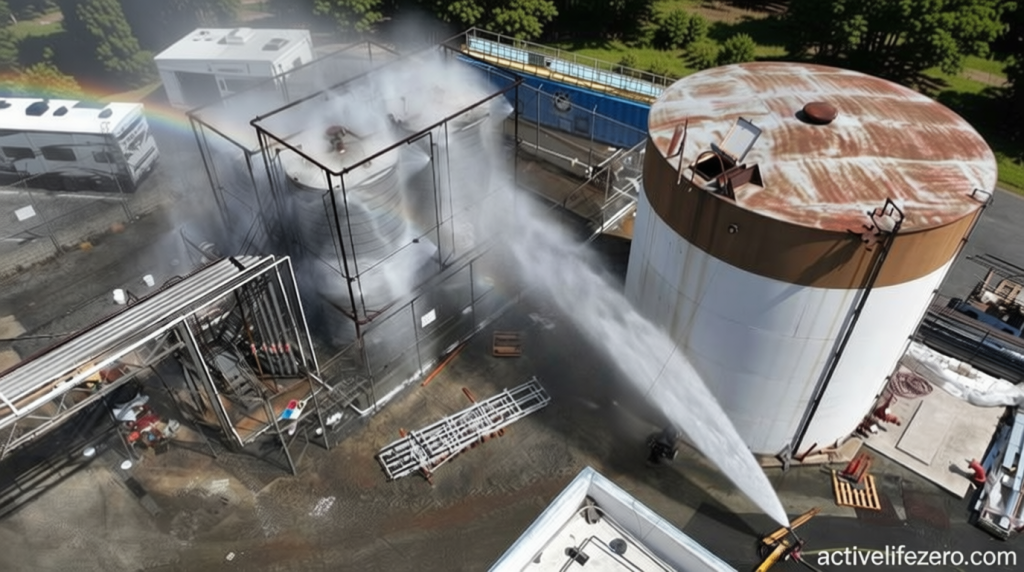
40,000 Residents in Orange County Evacuated Amid Toxic Chemical Tank Crisis
40 000 residents under evacuation orders – Over 40,000 residents in Orange County, California, were ordered to evacuate after a large tank storing a dangerous chemical showed signs of potential rupture. The situation escalated rapidly when the tank, which contains methyl methacrylate (MMA), began overheating, prompting emergency authorities to issue alerts. The evacuation spanned a 9-square-mile area, affecting both residential and commercial zones. Despite initial relief on Thursday when conditions appeared to stabilize, the risk of a catastrophic event remained high, leading to the reinstatement of evacuation orders by Friday.
Emergency Response and Ongoing Threats
The Orange County Fire Authority and local law enforcement worked tirelessly to contain the situation, deploying specialized equipment to cool the tank and prevent a release of MMA. Officials emphasized that the chemical’s properties make it particularly hazardous, as it is heavier than air and can accumulate in low-lying areas. This characteristic raises concerns about prolonged exposure and environmental contamination. As of Friday evening, the temperature of the tank had decreased to around 61 degrees, but the 50-degree target for safety was still pending. The ongoing efforts have kept the community in a state of heightened alert, with residents advised to stay indoors and avoid inhaling the chemical’s strong, fruity odor.
Evacuation orders were initially lifted after the tank’s temperature stabilized, but the damaged valve at the site prevented safe removal of the chemical, reigniting fears of a possible explosion. Emergency teams have been using innovative techniques to address the issue, including remote monitoring and pressure-regulating methods. These strategies highlight the urgency of the situation, as even minor leaks could lead to widespread health risks. The community’s safety hinges on the tank’s ability to remain stable, with authorities monitoring air quality and soil conditions around the facility.
Health Risks and Public Awareness
Health officials have warned that MMA exposure can cause respiratory distress, with symptoms ranging from mild irritation to severe dizziness and nausea. While the chemical was not detected in the air at the time of the evacuation, its strong odor serves as an early indicator of potential danger. Dr. Regina Chinsio-Kwong, the Orange County Health Officer, noted the variability of exposure effects, emphasizing the need for precautionary measures. Public health campaigns have been launched to educate residents about the signs of MMA exposure and how to mitigate risks if they remain in the area. Schools and public buildings were also evacuated, with 13 educational institutions and two other facilities vacated to ensure the safety of students and staff.
Residents who stayed behind in the evacuation zone cited reasons such as uncertainty about the risk or lack of transportation. Police Chief Amir El-Farra reported that approximately 15% of those affected chose to remain, amounting to around 6,000 individuals. This highlights the tension between immediate danger and personal circumstances, with some families opting to stay in their homes due to limited resources. Meanwhile, the remaining 90% of residents have been relocated to designated shelters, with logistics teams working to accommodate all evacuees efficiently. The situation has also disrupted local businesses, with many forced to close temporarily to ensure the safety of employees and customers.
Environmental experts are closely examining the potential for MMA to seep into the surrounding soil and groundwater. The chemical’s ability to linger in low-lying areas means that even if the tank is contained, long-term environmental impacts could persist. Sampling teams are conducting regular tests to assess contamination levels and provide updates to the public. The risk of a tank rupture remains a critical concern, with officials urging residents to stay informed and follow safety protocols. As the crisis continues, the focus remains on preventing further escalation and ensuring the community’s well-being.
Community Impact and Recovery Planning
The evacuation has had a significant impact on the daily lives of Orange County residents, with many facing disruptions to work, school, and family routines. Local authorities have set up temporary housing and dining facilities to support evacuees, while volunteers and relief organizations have provided additional assistance. The crisis has also prompted a review of industrial safety protocols, with officials calling for stricter regulations to prevent similar incidents in the future. As the situation stabilizes, recovery efforts will begin, including assessments of infrastructure damage and plans for rehousing affected residents.
With the tank’s temperature nearing the critical range, emergency teams remain on high alert, prepared to respond to any sudden changes. The incident has underscored the importance of rapid action in mitigating chemical hazards, as the initial response helped reduce the immediate risk. However, the lingering threat of MMA underscores the need for continued vigilance. As the community begins to recover, lessons learned from this crisis will be essential in improving preparedness for future industrial accidents. The evacuation of 40,000 residents serves as a stark reminder of the potential dangers posed by toxic chemical storage and the importance of proactive safety measures.
