
Hotel’s refusal to serve guest tap water at restaurant is lawful, top Italian court rules
Italian Court Affirms Hotel’s Refusal to Serve Tap Water at Restaurant is Legal
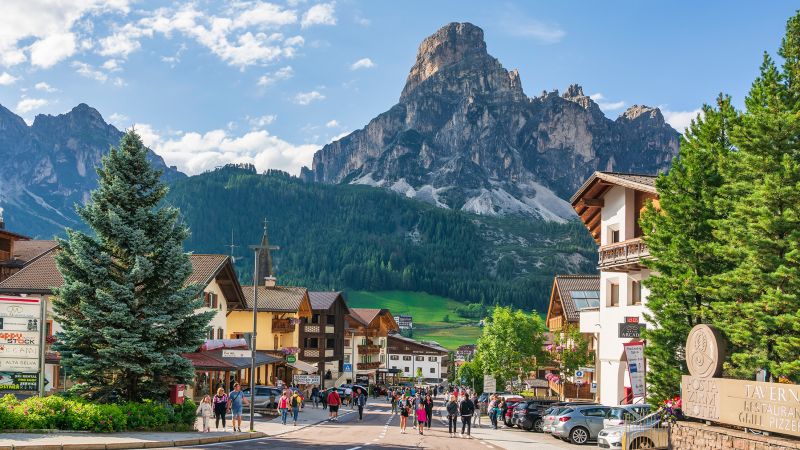
Hotel s refusal to serve guest – A recent ruling by Italy’s Supreme Court has confirmed that a five-star hotel’s decision to refuse serving tap water to its guests at the restaurant during their stay is legally justified. The case, which centered around a guest’s claim that access to tap water was a fundamental right, was ultimately dismissed by the highest level of the Italian justice system. The hotel in question, Hotel Sassongher, is located in the northern Badia region and was at the heart of the dispute following a stay that took place between December 26, 2019, and January 3, 2020.
The Legal Case and Its Ruling
The guest, who had paid 5,712 euros ($6,654) for a half-board package, argued that the hotel’s refusal to provide tap water violated their rights. She had requested tap water during dinner and offered to pay a service charge for it, only to be denied in favor of bottled water priced around 7 euros ($8.15). Despite her claims, the Supreme Court found that the hotel’s refusal to serve tap water did not constitute a breach of law. The ruling clarified that Italian legislation does not mandate restaurants or hotels to provide tap water as part of their service, even if it is a common practice in some establishments.
The case initially reached the Supreme Court after being rejected by lower courts in Rome and an appeals court. The legal argument focused on whether the hotel’s decision to serve only bottled water was discriminatory or unfair. However, the court emphasized that the hospitality industry has the right to choose its beverage offerings, provided they are transparent and priced accordingly. This decision has sparked discussions about the balance between customer expectations and business autonomy in the Italian tourism sector.
Cultural Differences in Tap Water Consumption
The ruling has also highlighted the cultural divide between the United States and European countries regarding tap water accessibility. In the U.S., while there is no federal law requiring restaurants to serve tap water, it is widely expected as a standard amenity. This contrast has become a popular topic on social media platforms, with Americans often expressing surprise or criticism about the lack of tap water in some European hotels. In England and Wales, for instance, restaurants serving alcohol must offer free tap water by law, a requirement that does not extend to all European nations.
Italy’s approach to tap water reflects broader European practices, where bottled water is commonly provided as a premium option. The court’s decision aligns with this tradition, reinforcing that businesses can charge for tap water if they choose to offer it. This has implications for travelers who may need to adjust their expectations when visiting Italy or other European countries, particularly when staying in upscale accommodations. The hotel’s statement following the ruling, which expressed respect for the Supreme Court’s decision, underscores the industry’s acceptance of this policy.
While the case was specific to Hotel Sassongher, it sets a precedent for similar disputes in the hospitality sector. The ruling may encourage other hotels to maintain their current practices without legal repercussions, provided they communicate their policies clearly to guests. This could lead to a more consistent approach across the industry, though it might also affect the overall guest experience. The decision also raises questions about whether consumers should pay for tap water, a topic that continues to generate debate in both Italy and beyond.
