
Everlane shoppers come unraveled over sale to Shein
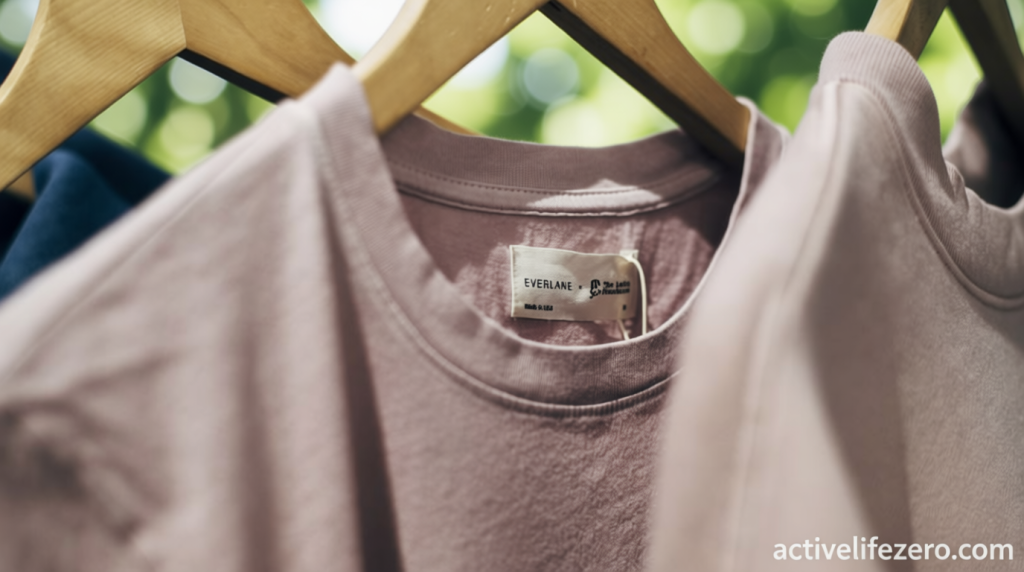
Everlane Shoppers Come Unraveled Over Sale to Shein
Everlane shoppers come unraveled over sale – Everlane, once celebrated for its pledge to offer affordable, ethically made clothing, now faces uncertainty as its customer base grapples with the implications of a major shift in ownership. The brand, which built its reputation on radical transparency and sustainable practices, has reportedly been acquired by Shein, a fast-fashion powerhouse known for its rapid production cycles and global reach. This move has sparked anxiety among loyal shoppers, who fear that the brand’s core values might be diluted in the process. The $100 million transaction, aimed at resolving Everlane’s $90 million debt, was confirmed by CEO Alfred Chang in a statement released Friday. Despite the sale, Chang emphasized that Everlane would retain its independence and continue to honor its sustainability commitments, even as it expands its presence worldwide.
The Sale and Its Implications
Chang’s announcement came after weeks of speculation, with customers expressing concern that the quality of Everlane’s products might decline once the brand fell under Shein’s control. “Cool cool need to go buy 46 white t-shirts before the formula changes,” wrote Sophie Vershbow on X, highlighting the urgency with which some shoppers wanted to stock up on essentials. The post, which appeared to reflect a last-minute purchase, underscored the emotional attachment many customers felt to Everlane’s straightforward pricing and ethical messaging. For those who cherished its boxy T-shirts and durable jeans, the brand had offered a middle ground between affordability and sustainability, allowing consumers to feel guilt-free about their purchases.
Sustainability advocates, however, have raised eyebrows at the sale. Shein, a company frequently criticized for subpar quality and poor labor conditions, contrasts sharply with Everlane’s commitment to ethical production. According to Good on You, a sustainability watchdog group, Everlane earned a “good” rating based on its labor practices, waste management, and material sourcing. In stark contrast, Shein received a “brand to avoid” label on the same platform. “This was a brand founded on ethical consumption, which is the complete opposite of what Shein stands for,” said Shawn Grain Carter, an associate professor at the Fashion Institute of Technology who specializes in sustainable fashion. Carter argued that fast fashion epitomizes the very antithesis of sustainability, relying on cheap labor and minimal regard for environmental impact.
Customer Reactions and Emotional Ties
The sale has not only raised questions about product quality but also about brand identity. Kirstie Wang, a small business owner from the Bay Area, shared her distress in an Instagram reel, stating that the news of the acquisition made her cry. “I think I just really looked up to them, and half my closet is Everlane,” she explained, reflecting on the personal connection many customers have with the brand. “How did they swing the pendulum so far that they’re able to sell to the radical opposite of what they stood for?”
Everlane’s appeal lay in its ability to make ethical fashion accessible without sacrificing style or comfort. Before its acquisition, the brand had carved a niche by providing basics that were both affordable and high-quality, appealing to a generation that sought to balance practicality with purpose. Madeleine Alizadeh, a fashion writer who launched her own sustainable brand, DariaDeh, described Everlane’s early days as a transformative moment in the fashion industry. “It almost feels personal, that this is how it ends,” she said, lamenting the brand’s departure from its original mission. Alizadeh noted that Everlane’s ethos was revolutionary when it first emerged, challenging the luxury-dominated landscape of ethical fashion. At the time, sustainable brands like Patagonia and Stella McCartney were seen as the standard-bearers of eco-conscious design, but Everlane democratized the concept, offering essentials that could be worn daily without the need for high-end spending.
Everlane’s journey began with a simple yet bold premise: to break down the costs of clothing and reveal where and how each item was made. This transparency became its defining feature, allowing customers to make informed choices about their purchases. The brand’s early success was fueled by its online-only model, which kept operations lean and enabled it to focus on quality over quantity. According to The Strategist, Everlane launched with just 1,500 T-shirts, which quickly became a hit among its 60,000-strong waitlist. Over time, it expanded its offerings to include cashmere sweaters, non-stretch jeans, leather flats, and backpacks—all praised by major publications like Vogue, the New York Times, and New York Magazine.
Challenges and Criticisms
Despite its early promise, Everlane has not been immune to criticism. Some argue that the brand’s commitment to transparency wavered as it scaled up, particularly when it began prioritizing speed and volume over meticulous craftsmanship. “Everlane has faced prior scrutiny for its transparency pledges, particularly during its early years when convenience-driven decisions occasionally overshadowed its original ethos,” said Alizadeh. This tension between scalability and integrity has been a recurring theme in the brand’s evolution, with critics questioning whether its ethical foundation could withstand the pressures of rapid growth.
For shoppers who valued Everlane’s no-frills approach, the sale to Shein represents a symbolic shift. “It feels like a betrayal of its values and its regular shoppers,” Carter said, noting that the acquisition might compromise the brand’s ability to maintain its sustainability standards. The move also raises concerns about the broader trend of ethical fashion brands being acquired by fast-fashion giants, a phenomenon that has sparked debates about authenticity and long-term commitment. “Fast fashion is the antithesis of sustainability,” Carter added. “It’s cheap labor, it’s produced at any cost, and rarely is it done in an ethical supply chain. So to have an acquisition by a company that goes directly against the core values of your core customer is problematic in many ways.”
As the fashion industry continues to grapple with sustainability challenges, the Everlane-Shein deal serves as a case study in the evolving dynamics of brand ownership. While Shein’s global reach could potentially enhance Everlane’s visibility and accessibility, the question remains whether the brand can preserve its identity in the process. For now, customers are left to navigate this uncertainty, wondering if their trust in Everlane’s ethical promise will hold up under the weight of new ownership. “Everlane was genuinely pioneering when it launched,” Alizadeh said. “But as it grew, it had to balance its ideals with the demands of a larger market. This sale is a test of whether those ideals can still be maintained.”
Legacy and Future Uncertainty
Everlane’s legacy is one of innovation and accessibility, but its future now depends on how it navigates the partnership with Shein. The brand’s initial focus on basics—such as its iconic white T-shirts and versatile jeans—was designed to cater to a modern consumer who wanted to embrace sustainable fashion without the complexity of high-end luxury. By breaking down pricing and production costs, Everlane aimed to empower shoppers to make decisions aligned with their values. Yet, as it expanded its product range, some argue that the brand’s mission became diluted, trading its original simplicity for a broader appeal.
As the dust settles on the sale, the next chapter for Everlane will be closely watched. Customers, both loyal and skeptical, are left to ponder whether the brand’s commitment to sustainability can survive the transition. “This isn’t just about clothing anymore,” Carter said. “It’s about the values that drive a brand and the trust it builds with its audience.” For now, Everlane’s identity as a bridge between affordability and ethics remains in question, as its new owner seeks to reshape its trajectory. The outcome of this partnership could redefine what it means to be a sustainable brand in an increasingly competitive market.
