
The B-52: Why the US still uses a plane from the 1960s to bomb its enemies
The B-52: Why the US Still Uses a Plane from the 1960s to Bomb Its Enemies
Aircraft of Choice for US Presidents
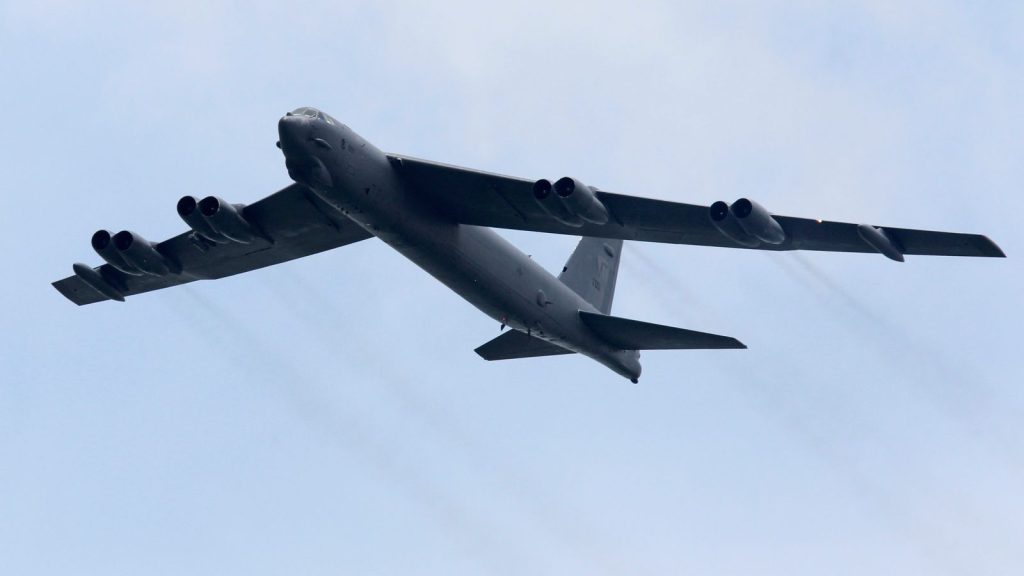
Washington DC continues to rely on the B-52 Stratofortress bomber for strategic missions. Despite its age, this aircraft remains a cornerstone of America’s aerial warfare capabilities.
Enduring Legacy of the B-52H Model
The B-52H variant, currently in service, was introduced to the United States Air Force (USAF) in 1961. Over 63 years later, 76 of these bombers are still operational, forming the backbone of the USAF’s bomber fleet and representing half its total inventory.
Rolls-Royce has recently upgraded these Cold War-era platforms with modern engines, extending their service life well into the 2050s. Meanwhile, Sky News reports that B-52s are being deployed to the UK, a decision influenced by Sir Keir Starmer’s revised stance on allowing US military assets to conduct defensive strikes against Iran.
Adaptable Arsenal and Versatile Design
Known colloquially as BUFF—Big Ugly Fat Fella—by aircrew, the B-52’s size enables it to transport a staggering 70,000 lbs (31,751 kg) of ordnance, including bombs, smart weapons, and missiles. The H model can also deploy up to 20 air-launched cruise missiles, showcasing its adaptability.
The bomber’s capability extends to both nuclear and conventional payloads, such as gravity bombs and nuclear-armed cruise missiles. This versatility has made it a key asset across decades of conflict.
Historical Impact and Modern Relevance
From the Vietnam War to the Gulf War, the B-52 has played a pivotal role in military operations. During the Vietnam War, it was extensively used for carpet bombing campaigns. In 1972, over 20,000 tonnes of explosives were dropped on North Vietnam within 11 days under Operation Linebacker II.
Its influence persisted into the 1990s during Operation Desert Storm and the 2003 invasion of Iraq. Even in 2014, President Barack Obama deployed the plane to combat ISIS, with B-52s conducting nearly 1,800 combat sorties in Syria and Iraq.
Today, the B-52H is once again deployed alongside the B-1 bomber, this time under President Donald Trump’s directive targeting Iran. The aircraft’s presence serves not only as a military tool but also as a diplomatic statement, reflecting its enduring strategic value.
Operational Efficiency and Range
With a range of 8,800 miles and a speed of 650mph, the B-52 is a long-range platform capable of extended missions through mid-air refueling. Its operational cost is also lower compared to newer models, enhancing its appeal for sustained deployments.
The bomber typically operates with a five-member crew, including roles such as aircraft commander, pilot, and electronic warfare officer. Originally designed as a nuclear deterrent, it has since evolved into a multi-role weapon system, adapting to modern conflicts and evolving threats.
Recent Deployments and Strategic Shifts
The recent relocation of B-52s to British airspace underscores their continued relevance in global strategy. This move coincided with the UK’s preparations for mass evacuations following Iran’s attacks on Middle East airports.
Meanwhile, an ex-techno DJ faced legal consequences after selling £7m in counterfeit aircraft parts to airlines. In parallel, regulators criticized EasyJet for its £5.99 cabin bag pricing, calling it misleading. These events highlight the diverse roles of aviation in both defense and commercial sectors.
