
Trump’s main problem on the economy, according to the new CNN poll
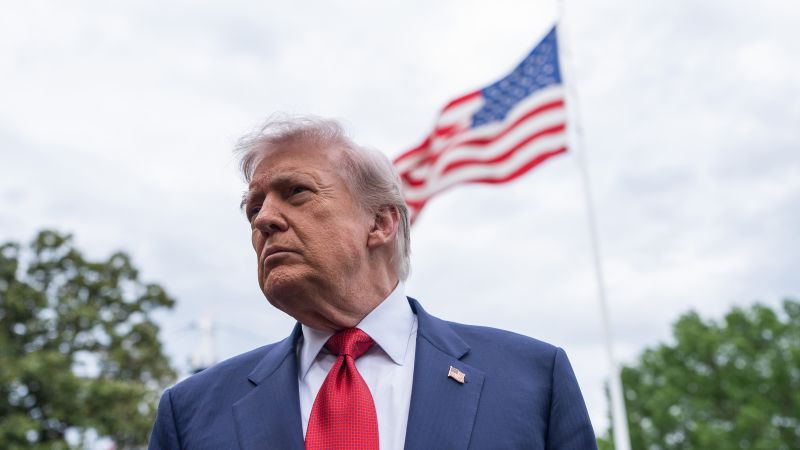
Trump’s main problem on the economy, according to the new CNN poll
Trump s main problem on the economy – Amid a climate of political division, it’s uncommon for 70% of Americans to concur on a single issue. Yet, the latest CNN poll reveals that a majority of 70% of the public now holds a negative view of President Donald Trump’s economic performance. This level of consensus is remarkable, especially given the previous perception of Trump’s policies as a driving force behind economic growth during his first term. The data suggests a profound shift in how Americans evaluate his leadership, with the economy emerging as his most significant vulnerability.
The Economics of Approval and Disapproval
During his initial presidency, the economy served as Trump’s strongest asset, with his disapproval rating on this issue never exceeding 50% in CNN tracking. However, the current poll marks a turning point, revealing a record-low approval rating for his economic stewardship: 30% approve, while 70% disapprove. This translates to a net disapproval of -40, a stark contrast to the relative optimism of his first term. The poll’s findings underscore a growing sense of disillusionment, particularly as the public increasingly links Trump’s policies to economic challenges.
The survey also highlights a striking pattern of bipartisan criticism. While 97% of Democrats express disapproval, an alarming 79% of independents and 30% of Republicans share the same sentiment. This cross-party consensus indicates that Trump’s economic missteps have transcended political lines, casting doubt on his ability to maintain support regardless of voter alignment. His disapproval rate on the economy now surpasses even the most critical moments of his predecessors, Joe Biden and Barack Obama, suggesting a deeper erosion of public trust.
Turning Points: Tariffs and the Iran War
Two pivotal events have shaped this downturn: the imposition of global tariffs and the escalation of the Iran war. These policies, once seen as tools for economic strength, have instead become focal points of public frustration. The data reveals that the largest spikes in Trump’s economic disapproval occurred in tandem with these developments. For instance, his disapproval rating surged from 56% in March 2025 to 61% in April 2025 following the “Liberation Day” tariff announcement. A similar jump followed the Iran conflict, rising from 61% in January to 69% in March and peaking at 70% today.
These fluctuations mirror a broader trend in how Americans perceive the impact of Trump’s decisions. The poll shows that 65% of respondents believe his policies have worsened economic conditions, and 77% claim they have raised the cost of living in their communities. The tariffs and Iran war are not just abstract policies—they are directly tied to tangible economic hardships, such as inflation and stagnant job growth. For many, these actions have transformed Trump from a symbol of economic prosperity to a source of blame for rising prices and financial strain.
“Why? Because partisans tend to avoid blaming bad developments on politicians they like. They’ll often attribute economic problems to external factors or assign responsibility to the previous administration.”
This dynamic has been evident in the changing attitudes of Republicans, who have historically been more forgiving of economic challenges. For example, the percentage of Republicans who criticized Trump’s economic policies doubled after the tariff announcement, rising from 10% to 22%. Similarly, following the Iran war, this figure increased to 27%, showing that even loyal voters are now questioning his economic choices. The shift indicates that Trump’s policies have created a perception of direct harm, making it harder for Republicans to distance themselves from the fallout.
Legacy of Policy and Public Perception
The most telling data on this transformation emerged after Trump’s second term began. In 2021, a NPR-PBS-Marist College poll found that only 40% of Americans believed the current economic conditions were largely due to Trump’s policies, rather than inherited from his predecessor. This number never surpassed the mid-40s during Obama’s presidency, reflecting a general belief that economic issues were beyond the control of any single leader. However, within three months of Trump’s return to the White House, this figure skyrocketed to 60%, demonstrating how quickly public opinion can pivot in response to perceived policy failures.
Today, the Iran war allows for an even clearer link between Trump’s actions and economic pain. The conflict has exacerbated inflationary pressures, with gas prices surging as a direct consequence. Meanwhile, the tariffs initiated in his first term laid the groundwork for prolonged inflation, leading to declining job creation and slower economic growth. These policies, once seen as bold moves, now appear to have been the catalysts for the current economic slump. The poll underscores that Trump’s approach has not only failed to inspire confidence but has also drawn sharp criticism from a wide swath of the electorate.
The implications of this trend are significant. For Trump, the economy has become a battleground where his leadership is now being judged more harshly than ever before. The fact that even a majority of Republicans now associate his policies with economic hardship suggests a deepening divide. This is a critical moment for Trump, as his ability to maintain support hinges on his capacity to address these concerns. The data shows that the public is no longer content to attribute economic struggles to external factors—they are holding him accountable for the consequences of his decisions.
As the survey highlights, the current climate reflects a fundamental shift in how Americans view economic responsibility. Where once they might have tolerated Trump’s actions, they now see a clear connection between his policies and the financial challenges they face. This has turned the economy into a defining issue of his presidency, with the new CNN poll serving as a stark reminder of the growing discontent. The numbers tell a story of declining confidence, and as the Iran war and tariffs continue to shape the economic landscape, Trump’s position on this issue is under increasing pressure.
With his disapproval rating on the economy now at an all-time high, Trump faces a daunting challenge. The data suggests that the public is not only blaming him for economic woes but is also linking his policies to specific problems, such as inflation and job losses. This is a far cry from the early days of his presidency, when his economic policies were largely praised. The turning point has come, and it’s not just a question of economic performance—it’s a test of Trump’s ability to sustain his political narrative in the face of reality. The results of the new CNN poll make it clear that this issue has become the most defining of his presidency, and the trend shows no signs of reversing anytime soon.
