
Trump returns from China with no Iran breakthrough — and a decision to make
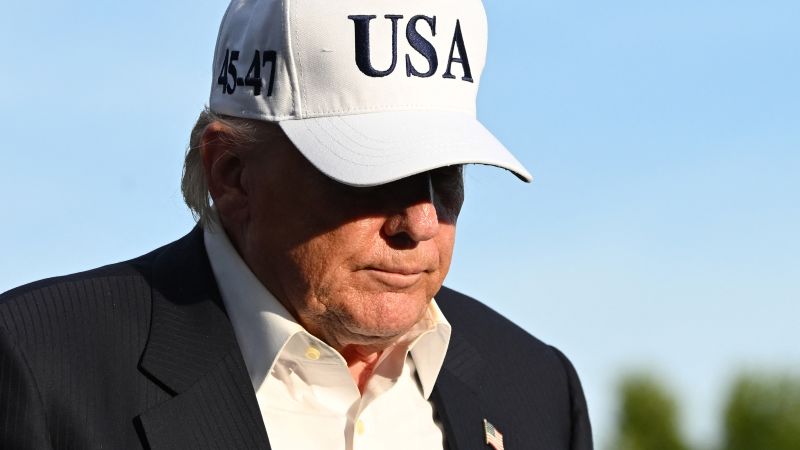
Trump Returns from China with No Iran Breakthrough — and a Decision to Make
Trump returns from China with no Iran – As tensions with Iran continued to escalate, President Donald Trump’s growing impatience with diplomatic negotiations became evident. White House aides were closely monitoring whether the president’s visit to China — a key ally of Tehran — would yield meaningful progress in resolving the conflict. However, Trump’s return to the United States on Friday brought little tangible success. During a press conference en route to Washington, he stated that Chinese leader Xi Jinping expressed a desire to see the Strait of Hormuz reopened and acknowledged Iran’s need to abandon its nuclear ambitions. Yet these remarks were not new, as China had previously signaled similar intentions. “He would like to see it end. He would like to help. If he wants to help, that’s great. But we don’t need help,” Trump remarked to Fox News’ Bret Baier, highlighting his skepticism about China’s role in the matter.
Strategic Ambiguity and Unfinished Business
The president’s recent trip to China left many within his administration uncertain about its outcomes. While some officials believed the discussions could serve as a catalyst for a new approach, others remained cautious, emphasizing the need for clarity before committing to any course of action. Trump’s decision to delay finalizing a strategy now places him in a pivotal position, requiring a choice between escalating military operations against Iran or maintaining diplomatic outreach. This dilemma has intensified as the conflict, initially projected to last six weeks, now stretches into a prolonged standoff. The economic repercussions have been significant, with fuel prices surging and his support among voters declining.
In a Truth Social post on Friday morning China time, Trump declared his military campaign against Iran “to be continued!” This statement underscored his readiness to pursue further strikes, a move that could intensify pressure on Tehran. However, the president’s team has also been exploring diplomatic avenues, combining direct negotiations with economic measures to incentivize Iran’s cooperation. The administration’s internal divisions reflect this split in priorities, with some factions advocating for a more aggressive posture while others remain committed to dialogue. Pentagon officials, for example, have pushed for targeted strikes, arguing that such actions could compel Iran to yield concessions. Conversely, diplomats like Jared Kushner and Steve Witkoff have emphasized the importance of sustained negotiations.
Iran’s Stance and the Challenge of Convincing the Regime
Despite these efforts, Iran has shown little flexibility in its demands. The country’s leadership has maintained a hardline position, resisting compromises that could weaken its strategic objectives. This reluctance has frustrated Trump, who has grown increasingly impatient with the stalemate. The ongoing closure of the Strait of Hormuz, a critical oil passage, has further inflamed tensions, sending global oil prices soaring and exacerbating inflationary pressures at home. “Well, I looked at it and if I don’t like the first sentence, I just throw it away,” Trump told reporters on Air Force One, describing his evaluation of Iran’s latest proposal. His candid remarks suggest a willingness to abandon conventional diplomatic tactics if they fail to meet his expectations.
Vice President JD Vance, meanwhile, conveyed optimism about the diplomatic process. Earlier this week, he assured reporters that discussions with top advisors, including Kushner and Witkoff, had progressed positively. “Look, I think that we are making progress. The fundamental question is: Do we make enough progress that we satisfy the president’s red line?” Vance said, emphasizing the administration’s focus on advancing negotiations. However, the pace of progress has been slow, and many officials question whether Iran is genuinely committed to a deal. The regime’s recent responses to U.S. proposals have been seen as evasive, with Tehran’s rhetoric growing more defiant as time passes.
Economic Pressures and Political Calculations
The economic fallout of the conflict has become a pressing concern for Trump’s re-election prospects. With U.S. gas prices surpassing $4.50 per gallon, the administration faces mounting pressure to resolve the crisis quickly. Inflation, which has been rising steadily, exceeded wage gains for the first time in three years in April, deepening public dissatisfaction. Corporate leaders, while keeping their concerns private, have increasingly urged Trump to take decisive action, fearing that prolonged hostilities could further strain the economy. The upcoming midterm elections add urgency to this situation, as Republicans are wary of losing ground to Democratic opponents.
White House spokesperson Anna Kelly reiterated the administration’s preference for diplomacy, stating, “The United States has maximum leverage over the regime, and the President will only accept a deal that protects the national security of our country.” This sentiment aligns with Trump’s broader strategy of balancing military force with economic incentives. Yet, as Ivo Daalder, a former U.S. ambassador to NATO, noted, “He’s tried bluster, that didn’t work. He’s tried negotiations, that’s hasn’t worked. He’s trying to find a way to unstick his stuckness.” Daalder’s assessment highlights the complexity of Trump’s approach and the growing pressure to deliver results.
Analysts within the White House have debated the merits of a military-first strategy versus a diplomatic-heavy one. Some argue that targeted strikes could disrupt Iran’s ability to project power, potentially forcing concessions. Others warn that such actions might risk further escalation, drawing the U.S. into a wider regional war. Trump himself has leaned toward the latter, hoping that a combination of economic pressure and direct talks would encourage Iran to strike a deal. But with Tehran’s position seemingly unyielding, the president now faces a critical juncture in his handling of the crisis.
As the conflict drags on, the stakes for Trump have risen. The prolonged standoff has not only strained the economy but also tested his leadership capabilities. With midterm elections approaching, the administration must navigate a delicate balance between assertiveness and restraint. The decision to escalate or de-escalate could define the remainder of his term and shape the political landscape ahead. Meanwhile, the world watches as the U.S. and Iran remain locked in a tense standoff, with no clear resolution in sight.
A Nation at a Crossroads
Trump’s return from China has not only left his team without a clear roadmap but also highlighted the broader challenges of U.S. foreign policy in the region. The president’s ability to command attention has been tested by the lack of progress, and his public frustration has become a defining feature of the current phase of the conflict. As he prepares to make a key decision, the focus remains on how to leverage both military and diplomatic tools to achieve the desired outcome. Whether this will involve more strikes, renewed negotiations, or a combination of both remains uncertain — and the consequences of his choice will likely ripple far beyond the current standoff.
For now, the administration continues to explore all options, with the president’s personal preferences playing a central role in shaping the strategy. While some officials remain hopeful that diplomacy can still yield results, others have grown convinced that a military approach is the only viable path forward. The situation underscores the high stakes of the conflict, as both sides vie for strategic advantage in a rapidly evolving geopolitical landscape. With the clock ticking toward the midterms, Trump’s next move could determine not only the fate of the Iran crisis but also the direction of his political campaign.
