
Trump meets with national security officials as he weighs next steps on Iran
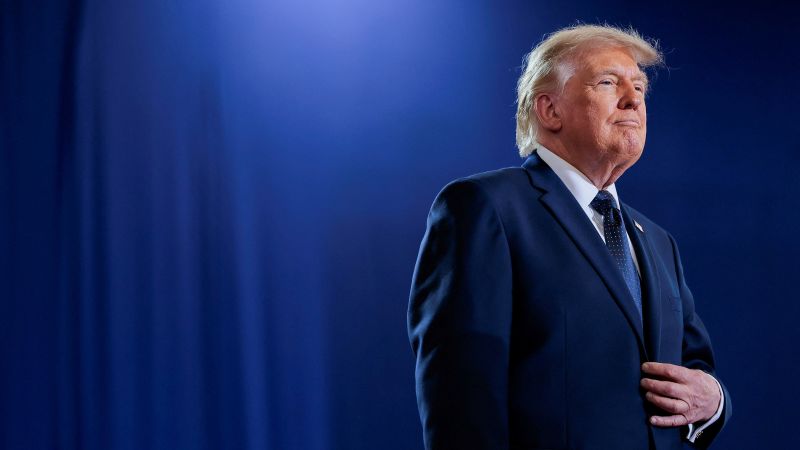
Trump’s National Security Meeting on Iran: Strategic Reassessment
Trump meets with national security officials – President Donald Trump convened a critical session with national security officials on Friday to evaluate the U.S. approach toward Iran. The meeting, part of his routine assessments, followed ongoing diplomatic efforts to ease escalating tensions. While no immediate decisions were announced, the session underscored the administration’s ongoing deliberations on the next steps in the conflict. Key advisors and military leaders gathered to discuss potential actions, with the focus on maintaining pressure on Iran while balancing regional alliances.
International Diplomatic Engagement
As the conflict with Iran intensifies, US diplomats are actively engaging with allies to explore diplomatic avenues. Representations from Qatar and Pakistan reached Tehran to foster dialogue, aiming to mitigate further escalation. Iranian Foreign Ministry spokesperson Ismail Baghaei confirmed the presence of these delegations, citing their efforts to “prevent escalation” and achieve a lasting agreement, according to Iran’s state news agency IRNA. This international coordination highlights the complexity of the situation and the need for multilateral cooperation.
Despite the diplomatic push, the gap between US and Iranian objectives remains significant. Baghaei noted that “the positions are very deep in divergence,” indicating that a resolution will require “more time and further negotiations.” This divergence is driven by competing priorities: the US seeks to curtail Iran’s nuclear ambitions, while Iran aims to assert its regional influence through military expansion. The stakes have never been higher, with both sides preparing for potential actions.
Decision-Making Under Pressure
Trump’s administration is weighing a range of military and diplomatic options, with a particular emphasis on rapid decision-making. Earlier in the week, Trump signaled his readiness to take decisive action, stating he was “an hour away” from authorizing strikes. However, the urgency from Gulf nations to delay military moves has tempered this approach. The choice to remain in Washington rather than travel to New Jersey for the weekend reflects the administration’s prioritization of the Iran crisis over personal commitments.
Among those present were Vice President JD Vance and Defense Secretary Pete Hegseth, key figures in shaping the nation’s security strategy. The meeting also included General Dan Caine, who highlighted the importance of strategic discussions during his address at the US Naval Academy. This high-level assembly demonstrated the administration’s commitment to analyzing all potential scenarios, from airstrikes to renewed talks, as they seek to stabilize the volatile situation.
While some officials have expressed cautious optimism, the uncertainty surrounding the Iran conflict persists. The meeting served as a crucial step in the decision-making process, yet the path to resolution hinges on mutual concessions. As the week progresses, the White House is scrutinizing options, with the expectation of a clear directive from the president. The focus remains on maintaining a strategic advantage without provoking an all-out confrontation.
Regional Alliances and Strategic Implications
Regional allies like Pakistan and Qatar are playing a pivotal role in shaping the US response to Iran. Pakistan’s Army Chief, Asim Munir, and Iran’s Foreign Minister, Abbas Araghchi, engaged in late-night discussions to align on shared interests. These talks reflect the growing interdependence between Iran and its neighbors, as well as the US’s reliance on diplomatic partnerships to counter Iranian advances. The involvement of such stakeholders signals a broader, coalition-based strategy to address the crisis.
With Iran accelerating its military buildup, the pressure on the US to act decisively is increasing. The administration is considering both kinetic and diplomatic measures, with the goal of securing a favorable outcome. Trump’s leadership style, characterized by swift decisions, is evident in the urgency of the meeting. However, the lack of a unified stance suggests that the process remains intricate, requiring careful navigation of geopolitical dynamics.
The outcome of this meeting could reshape the trajectory of US-Iran relations. Whether the administration opts for military strikes or continues diplomatic engagement, the decision will carry profound implications for regional stability and international diplomacy. As Trump weighs his options, the focus remains on national security priorities, ensuring that any move aligns with the broader strategic goals of the United States.
