
This court was created 30 years ago and never heard a case. Trump wants to change that
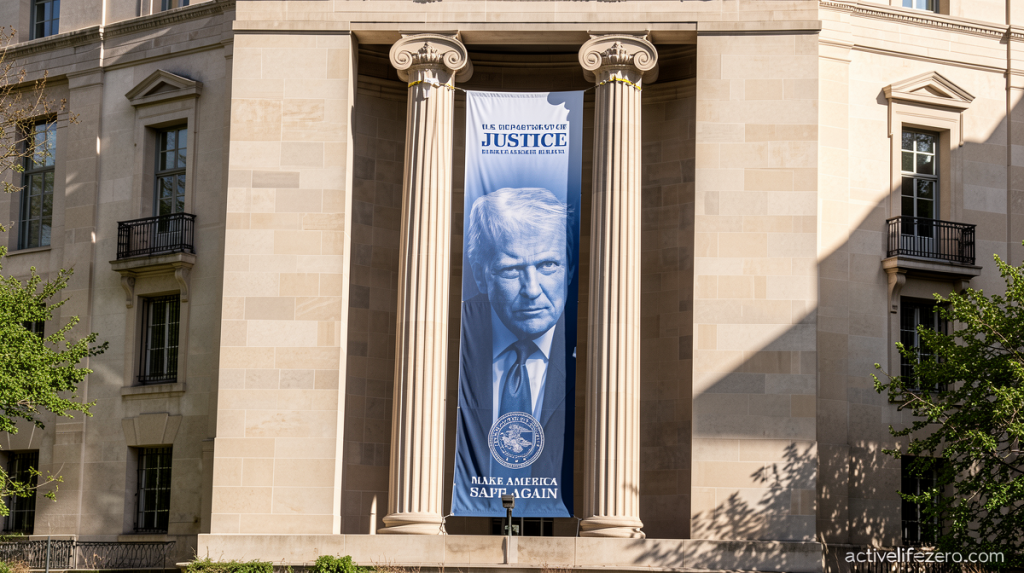
This Court Was Created 30 Years Ago: Trump’s Bold Deportation Move
Activelifezero.com – This court was created 30 years ago, yet it remained virtually unknown to the American public until now. The Alien Terrorist Removal Court has existed since 1996 as a specialized judicial body designed for highly sensitive deportation proceedings involving national security threats. For three decades, this secretive forum operated in complete obscurity, handling no cases whatsoever despite having a rotating panel of judges ready to hear arguments at any moment. The court’s lack of public visibility was so profound that it maintained no basic website to track potential cases or proceedings. However, the Trump administration has now initiated the first-ever case before this dormant tribunal, marking a significant shift in federal deportation strategy.
Historical Origins and Legal Framework
The establishment of this unique court traces directly to the Antiterrorism and Effective Death Penalty Act of 1996, landmark legislation that granted the federal government unprecedented power to maintain secrecy during immigration proceedings. Under the statute’s comprehensive framework, individuals classified as “alien terrorists” receive minimal insight into the evidence supporting their swift removal from the United States. This mechanism allows the Justice Department to withhold critical information from both the deportee and the general public, effectively shielding state secrets that might compromise national safety if revealed in traditional open-court settings. The court’s procedures have long faced scrutiny regarding their alignment with constitutional standards, particularly concerning due process rights.
What makes this court particularly remarkable is its complete inactivity for thirty years. While other federal courts handle thousands of cases annually, this specialized tribunal sat idle, its judges never called upon to deliberate. The court’s existence was largely unknown even to many legal professionals until the Trump administration decided to utilize it for the first time. This unprecedented move represents a significant departure from historical norms, as the federal government seeks to leverage new tactics for removing individuals deemed threats to national security. The administration’s decision to activate this dormant court demonstrates a willingness to employ unconventional legal mechanisms in immigration enforcement.
The Alien Terrorist Removal Court has operated in relative obscurity for thirty years, serving as a dormant judicial body designed for highly sensitive deportation proceedings.
The court’s procedures differ substantially from standard immigration courts. Proceedings can be conducted entirely in secret, with classified evidence presented without the knowledge of the accused party. Judges are appointed for specific terms and can be called upon to hear cases on short notice. The court’s closed-door nature means that its decisions rarely make headlines, and its existence was largely forgotten by the American public until this recent activation. Legal experts have noted that this approach allows the government to pursue deportation cases that might otherwise be complicated by public scrutiny or constitutional challenges in traditional court settings.
Trump’s administration has positioned this court as a powerful tool in its broader immigration enforcement strategy. By utilizing a forum that has never heard a single case, the administration is creating legal precedent while avoiding the constraints of established case law. This approach allows for greater flexibility in how the government defines and handles national security threats through immigration channels. The court’s thirty-year history of inactivity means that there are no binding precedents to limit the administration’s actions, potentially allowing for more expansive interpretations of what constitutes a threat requiring removal.
The activation of this court has sparked debate among legal scholars and civil liberties advocates. Critics argue that the secrecy provisions may undermine fundamental due process rights, while supporters contend that national security concerns justify the unique procedures. The court’s thirty-year absence from active duty means that many of its procedural rules remain untested in practice. As this first case moves forward, it will likely set important precedents for how future cases are handled within this specialized forum. The outcome could significantly influence the balance between national security and individual rights in immigration proceedings for years to come.
