
Senate walks back rebuke of Trump over Iran war
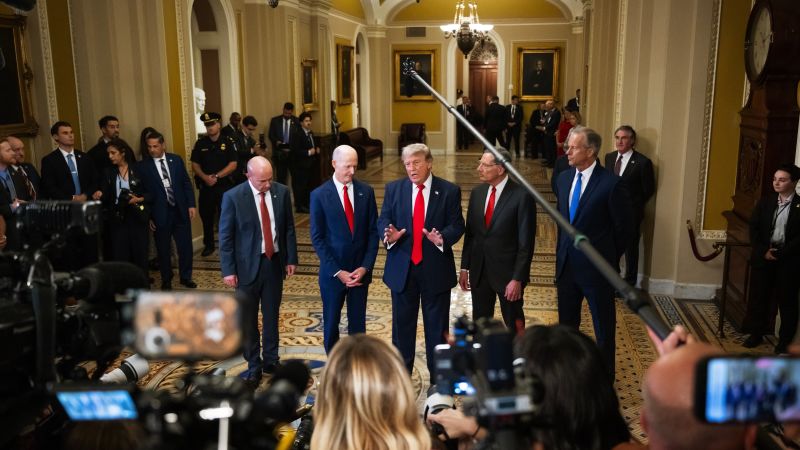
Senate Reverses Criticism of Trump on Iran War Powers
Senate walks back rebuke of Trump – Just a day following the Senate’s adoption of a resolution to withdraw U.S. military forces from the Iran conflict, the chamber took a step back on its earlier rebuke of President Donald Trump’s leadership in the war. The decision to scale back their opposition came as Republicans sought to adjust their stance, rejecting a bid to push a similar measure forward. The late-night vote Wednesday marked a pivotal moment, as the Senate’s shift reflected a broader effort to align with Trump’s strategic approach amid ongoing tensions with Iran.
Trump’s frustration with Senate Republicans had been building since Tuesday’s vote, when the chamber approved a resolution to curtail executive authority in the Iran war. The president accused the GOP of undermining his position during negotiations with Iran, expressing disappointment over both those who supported the measure and those who missed the vote. His critique was directed at lawmakers who, he argued, had allowed Congress to interfere in the administration’s military decisions, jeopardizing the outcome of peace talks.
Republican Senators Shift Positions
Two key GOP senators, Rand Paul and Bill Cassidy, altered their earlier support for the resolution. Paul, who had previously backed efforts to limit the president’s war powers, cast a present vote this time. Cassidy, on the other hand, opposed advancing the measure, signaling a departure from his prior stance. Despite these changes, Susan Collins and Lisa Murkowski remained steadfast in their support, while Democratic Senator John Fetterman continued to vote against the resolution.
The final tally of the vote revealed a split of 47-50-1, with the narrowest margin among the chamber’s members. This outcome underscored the divided opinions within the Senate, as some lawmakers prioritized Trump’s negotiating leverage over direct congressional oversight. The resolution, which sought to assert legislative control over the war, now faced a setback as the GOP retook the initiative.
“This vote puts Iran on notice!”
Trump celebrated the shift on his social media platform, Truth Social, emphasizing the significance of the Senate’s decision. He pointed to Paul’s and Cassidy’s changing positions as a sign that the chamber was giving him more flexibility to pursue diplomatic solutions. The president’s public remarks highlighted his belief that the resolution had been a tactical misstep, potentially weakening his ability to negotiate with Iran effectively.
During a heated GOP meeting with Trump earlier in the day, Cassidy had taken a firm stance against the resolution, arguing that the administration had not adequately informed the public about the conflict’s duration. “You have not told the American people what’s going on,” Cassidy said in a post on X, noting that the war had stretched beyond its original four-week timeframe. His comments reflected a broader concern among some Republicans about the transparency of the administration’s actions in the Iran crisis.
Later that day, Cassidy credited Vice President JD Vance and special envoy Steve Witkoff for providing a “thorough briefing” on the situation. He expressed appreciation for their efforts to address his concerns, stating, “I want to thank Vice President Vance and Special Envoy Witkoff for the thorough briefing this afternoon on Iran.” This shift in Cassidy’s perspective highlighted the influence of White House communications on lawmakers’ decisions, even as the debate over executive authority continued.
Rand Paul echoed a similar sentiment, explaining his vote on X. “My opinion on the debate over war and executive power has not changed,” he wrote, “but the President asked me to give consideration to his negotiating position.” Paul’s present vote was framed as a strategic move to provide Trump with greater room to secure a lasting peace agreement, rather than continuing to challenge his authority in the war.
House and Senate Dynamics
The Senate’s Wednesday vote followed a House resolution adopted earlier this month, which passed with a narrow margin of 215 to 208. Four House Republicans had defied party lines, voting with Democrats, a move that Trump condemned as “unpatriotic.” He labeled them “GRANDSTANDERS” and criticized their actions for complicating his efforts to reach a deal with Iran.
Meanwhile, the Senate’s adoption of a similar resolution on Tuesday had already drawn Trump’s ire, with him calling the four Republicans who supported it “losers.” His remarks suggested that the resolution was a hindrance to his diplomatic goals, as it forced Congress to intervene in the war’s progression. The Senate’s decision on Wednesday appeared to reverse this sentiment, as the GOP sought to consolidate their position and support the administration’s strategy.
Democratic senators, including Tim Kaine of Virginia, defended the necessity of war powers resolutions, even after the U.S. reached a preliminary agreement with Iran. Kaine argued that the measure was essential to maintain congressional oversight, stating, “I think it’s a good time to have the vote to say, ‘Hey, if we’re really in a period of maybe some stability here, let’s not just allow it to start up again without Congress being involved in that decision.’” His comments highlighted the ongoing debate over whether the resolution was a tool for accountability or a barrier to diplomacy.
Wednesday’s vote marked the 11th instance of the Senate debating Iran war powers since the year began. This frequent scrutiny of executive authority underscored the political stakes of the conflict, as lawmakers grappled with balancing national security needs and legislative oversight. The resolution’s discharge from committee last month had already been a point of contention, with Republicans absent during the initial vote. Democrats had opted to delay further action, aiming to build momentum for a follow-up.
As the Senate moves forward, the outcome of Wednesday’s vote raises questions about the effectiveness of congressional measures in shaping the Iran war. While Trump’s supporters view the decision as a win, critics argue it weakens the role of Congress in holding the executive branch accountable. The debate continues to reflect broader ideological divides, with some lawmakers prioritizing presidential autonomy and others insisting on legislative involvement in military decisions.
With the resolution’s passage now in question, the focus turns to the next steps in the Iran negotiations. Trump’s ability to leverage congressional support will be critical in securing the terms of a peace agreement, while the Senate’s shift may signal a temporary compromise in its stance on war powers. The political maneuvering highlights the complex interplay between executive and legislative branches in shaping U.S. foreign policy, particularly in times of crisis.
