
Justices Barrett and Kagan to face lawmakers after divisive Supreme Court term
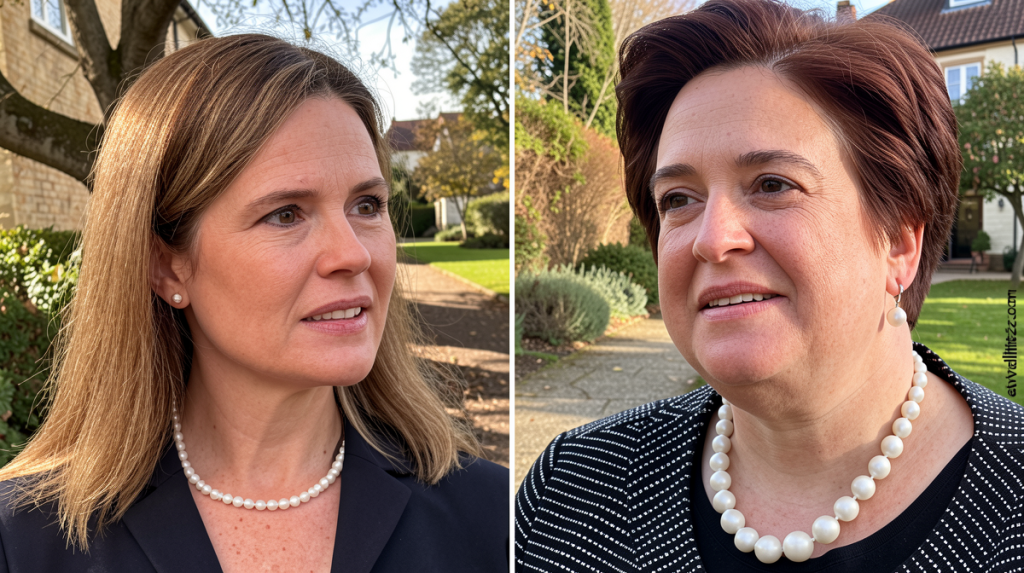
Barrett and Kagan to Face Congress After Divisive Term
Justices Barrett and Kagan to face lawmakers this week as the Supreme Court seeks enhanced security funding. The judicial branch is making an uncommon personal appeal to Congress, requesting tens of millions of dollars for protective resources. Justice Amy Coney Barrett stands at the center of this effort, bringing firsthand experience to the proceedings. Since President Donald Trump appointed her nearly six years ago, Barrett has navigated several alarming security incidents. A particularly notable event involved a swatting attempt on her Virginia residence in May, which authorities successfully thwarted.
Security Concerns Drive Congressional Testimony
The judiciary has petitioned for approximately $921 million in security funding, marking a $29 million increase from the previous fiscal year. This allocation supports frontline protective personnel stationed at federal courthouses across the nation. Nearly $15 million within that total will expand the Supreme Court Police’s ability to safeguard justices and their families at private residences. The US Marshals Service took over home protection duties in 2022 following an extraordinary breach when a draft opinion overturning Roe v. Wade was leaked.
Overall, the judiciary pursues $9.7 billion in discretionary funding, representing a 4.5 percent increase from last year. Security incidents categorized as “significant concern” by the Marshals Service surged by 57 percent during 2025. Both Justices Barrett and Kagan to face questions about these mounting threats when they appear before congressional committees.
A Divisive Term Shapes the Hearings
Barrett’s appearance arrives at a particularly charged moment. Just days before her congressional testimony, the Supreme Court concluded a contentious term that struck down two major Trump administration initiatives. The court rejected efforts to terminate birthright citizenship and to impose worldwide tariffs. Although Barrett typically aligns with the conservative faction, these rulings generated substantial pushback from conservative circles. Whether this internal tension will surface during Tuesday’s hearings remains uncertain.
Justice Elena Kagan, representing the court’s liberal bloc, will join Barrett at the proceedings. The nine Supreme Court justices seldom visit Capitol Hill, with the most recent testimony occurring in 2019. Traditionally, such off-the-bench appearances feature heavily rehearsed presentations before audiences of federal judges who view the proceedings with considerable reverence.
“She has firsthand experience with this issue. She’s a smart pick for the testimony,” said Gabe Roth, head of Fix the Court.
Barrett’s Personal Security Encounters
Several of Barrett’s close calls have entered public awareness. Washington-area police responded to her Virginia suburbs home in May following what they classified as a false gunfire report. CNN subsequently identified the residence as Barrett’s, though neither the justice nor the Court officially confirmed the episode. Additionally, Barrett’s sister faced a bomb threat at her South Carolina home twelve months prior.
In 2024, Barrett discussed publicly being dispatched from the Court wearing a bulletproof vest, though the Court never clarified the circumstances surrounding that protective gear issuance. The most prominent security event involving any Supreme Court justice occurred in 2022, when Sophie Roske traveled across the nation to Justice Brett Kavanaugh’s neighborhood carrying weapons with apparent intent to harm him. Roske received a sentence exceeding eight years plus lifetime supervised release.
Roth expressed support for the security increase, noting it “will help them hire the right amount of personnel and protection that they sadly but definitely need.” However, he cautioned that “it’s a precipitous increase and lawmakers have every right to want to examine rather than just giving the justices a blank check.” The judiciary’s 2027 budget proposal continues a recent pattern of requesting additional security resources, resulting in a noticeably more robust protective presence whenever the justices travel for official duties.
