
Judge says Trump can’t add his name to Kennedy Center and blocks planned closure
Judge Says Trump Can’t Add His Name to Kennedy Center and Blocks Closure Plans
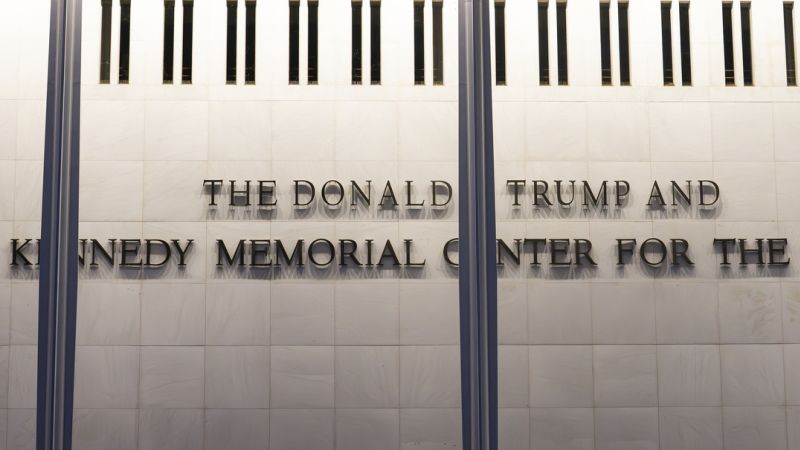
Judge says Trump can t add his – On Friday, a federal judge issued a decisive ruling, declaring that President Donald Trump cannot unilaterally rename the Kennedy Center and preventing its proposed temporary shutdown for renovations. U.S. District Judge Casey Cooper found that the center’s board violated legal statutes by attempting to add Trump’s name to the historic institution without congressional approval. The decision halts the planned closure, which was set to span several years, and mandates the removal of all references to Trump’s name from the center’s branding. Cooper’s 94-page ruling underscores that the Kennedy Center’s name was established by Congress, and its alteration requires legislative authority.
Legal Challenges and Rationale
Cooper emphasized that the Kennedy Center’s name is a congressional designation, not a decision made by the board. “The Center is to be named for President Kennedy, and it cannot bear any other formal name or public memorial based on the Board’s unilateral say-so,” he wrote. The judge noted that the renaming effort would diminish the center’s historical legacy, which is closely tied to President John F. Kennedy. Additionally, the closure plan was blocked because the board failed to prove it adhered to the center’s statutory obligations, including maintaining its core programming during the shutdown period.
“Congress gave the Kennedy Center its name, and only Congress can change it,” Cooper stated in his comprehensive decision.
The ruling also requires the center to erase all signs featuring Trump’s name from its physical and digital presence. Cooper stressed that the Kennedy Center’s identity must remain firmly anchored to its original founder, President Kennedy, and that Trump’s name cannot be used in any capacity without legislative endorsement. This means the center must either keep its current name or seek congressional approval before proceeding with any rebranding efforts.
Trump’s Strategy and Institutional Response
After the ruling, Trump’s team indicated a willingness to continue pushing for the center’s name change, though they acknowledge the legal hurdle. In a statement, Trump’s representative asserted that the Department of Commerce would work with Congress to finalize the process, ensuring the center’s name reflects both Kennedy and Trump’s contributions. Meanwhile, the Kennedy Center’s leadership remains resolute, with public relations vice president Roma Daravi affirming their intention to appeal the decision. Daravi argued that the center’s mission to honor Kennedy’s legacy is not in conflict with acknowledging Trump’s influence on its future.
“We are confident that on appeal the court will uphold the board’s will to recognize President Trump’s historic contributions,” Daravi added.
Despite the current setback, the renovation project itself is still permitted. Cooper’s decision does not stop the Kennedy Center from modernizing its infrastructure, which includes upgrading HVAC systems, theater seating, and drainage. The temporary closure, however, remains contingent on congressional approval. The judge’s emphasis on legislative authority highlights the legal process needed to ensure the center’s name and operations align with its founding intent.
Context and Legislative Implications
The legal battle began when the Kennedy Center’s board proposed a name change to the “Donald J. Trump and John F. Kennedy Memorial Center for the Performing Arts.” This move was seen as a strategic attempt to capitalize on Trump’s political influence, even as the center prepared for a lengthy renovation. Cooper’s ruling, however, reinforces that such changes require explicit congressional consent, as the Kennedy Center’s name is protected by its establishment act. The judge’s decision has sparked discussions about the balance between institutional autonomy and legislative oversight in public entities.
“The Center’s identity is tethered to President Kennedy, and any attempt to rebrand it as Trump’s memorial would undermine its historical significance,” Cooper wrote in his opinion.
As the appeal process unfolds, the case has become a focal point for debates over the role of public institutions in political symbolism. With the closure temporarily blocked, the Kennedy Center now faces the challenge of either maintaining its current name or securing legislative support to implement the proposed changes. The ruling sets a precedent for how public names are treated under federal law, ensuring that major alterations must be justified through formal legislative action rather than executive or institutional discretion.
