
Josh Shapiro says he has ‘profound’ differences with Mamdani-backed candidate
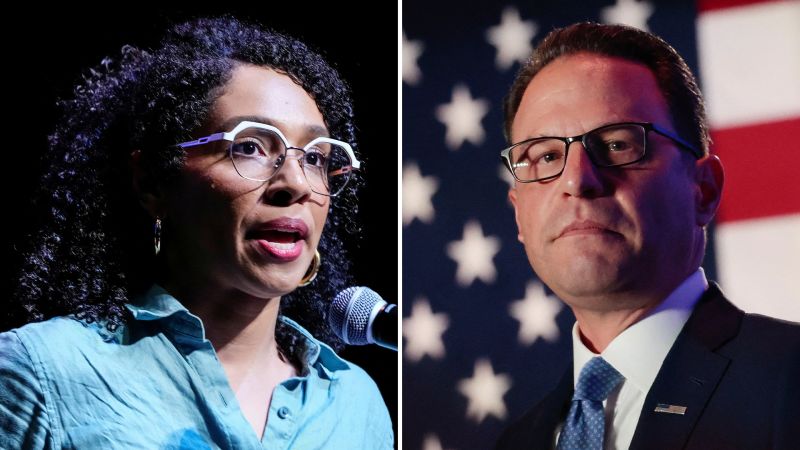
Josh Shapiro Says He Has Profound Differences with Mamdani-Backed Candidate
Democratic Divisions Intensify Over U.S.-Israel Policy
Josh Shapiro says he has profound – Pennsylvania Governor Josh Shapiro has voiced “profound” disagreements with Darializa Avila Chevalier, the candidate backed by New York City Mayor Zohran Mamdani, as tensions within the Democratic Party grow ahead of the midterm elections. In a recent CNN interview with Dana Bash, Shapiro emphasized his ideological split with Avila Chevalier, who defeated Rep. Adriano Espaillat in Tuesday’s primary. The race, centered on U.S.-Israel relations, has exposed rifts between progressive and traditional factions within the party, with Shapiro positioning himself as a bridge between differing viewpoints.
Shapiro’s critique of Avila Chevalier’s platform underscores broader debates about the party’s alignment with Israeli policies. His comments come after CNN’s analysis of her social media activity revealed a deleted X account filled with posts advocating for the dismantling of police forces and the abolition of prisons. The account also promoted policies like seizing private property and nationalizing industries, while challenging Israel’s legitimacy as a nation. These actions have intensified scrutiny over Avila Chevalier’s stance on foreign policy and domestic issues, with critics arguing they reflect a departure from mainstream Democratic principles.
A Controversial Campaign and Ideological Shift
Avila Chevalier’s campaign has drawn attention for its focus on progressive social justice and Palestinian rights. Her victory over Espaillat signals a shift in voter priorities, particularly in her district, which has historically supported centrist candidates. However, Shapiro’s assertion of “profound differences” highlights concerns that her platform may prioritize radical policies over the party’s traditional values.
The candidate’s activism extends beyond politics, including participation in pro-Palestinian rallies at Columbia University. These events, held in response to Hamas’ October 7 attack on Israel, have framed her as a vocal advocate for Palestinian solidarity. While her supporters view these actions as a reflection of the district’s values, Shapiro argues they reveal a broader ideological split within the Democratic Party.
“Her district voted for her. But I have profound differences from that particular candidate based on the citations you read there,” Shapiro said during the interview. “She’s not someone I would agree with on many things or share similar values.”
Avila Chevalier has defended her positions, stating her attendance at the rally was a response to the perceived overreaction to Hamas’ assault. She framed the event as a necessary expression of solidarity with Palestinians, highlighting the human cost of the conflict. “I’ve never celebrated the death of any human being,” she argued, linking the violence in Gaza to systemic oppression in other contexts.
Clashing Perspectives on U.S. Foreign Policy
Shapiro’s criticism of Avila Chevalier’s stance on Israel reflects a growing divide between moderates and progressives within the Democratic Party. While he supports a strong alliance with Israel, Avila Chevalier has called for a more critical approach to U.S. involvement in the region. This contrast has become a key issue in the race, as candidates position themselves on the spectrum of foreign policy priorities.
Other Democratic figures, like Brad Lander, have echoed Shapiro’s concerns. Lander criticized Avila Chevalier’s rally as “spoke about Hamas in ways I thought were vile,” suggesting a shared wariness of her rhetoric. Yet, Avila Chevalier maintains that her focus on Palestinian rights aligns with the party’s core values, even if it challenges more centrist members.
“The tear gas used on Palestinians in Gaza in 2014 was the same as what was used on Black protesters in Ferguson,” she said in a debate with Espaillat, drawing parallels between Israel’s actions and domestic racial justice issues.
These debates highlight the challenge of uniting a party with diverse ideological goals. Shapiro points to the 1992 Democratic convention as a historical precedent, when Bill Clinton’s nomination over George H.W. Bush marked a significant realignment. He suggests the current contest is a test of whether Democrats can maintain cohesion while addressing internal disagreements.
Key Issues and Voter Sentiment
The race between Shapiro and Avila Chevalier has become a microcosm of the Democratic Party’s broader struggles. Voters are increasingly divided on how to balance social justice priorities with foreign policy commitments, particularly regarding the U.S.-Israel alliance. This polarization is evident in the candidates’ contrasting messages, with Shapiro emphasizing unity and Avila Chevalier championing progressive reforms.
Avila Chevalier’s support base, concentrated in districts with strong Hispanic and progressive populations, appears to value her bold stance on Israel’s role in the conflict. However, Shapiro’s campaign argues that her platform risks alienating moderate voters who prioritize economic stability and traditional alliances. The race has also drawn attention to the role of city leaders like Mamdani in shaping national political discourse, with his endorsement amplifying Avila Chevalier’s visibility.
Media Influence and Political Narratives
CNN’s investigation into Avila Chevalier’s social media activity has played a pivotal role in framing the debate. The deleted X account, which contained thousands of posts advocating for systemic change, has been used as evidence of her alignment with radical ideas. Critics argue that this highlights the need for greater transparency in political campaigns.
Meanwhile, Avila Chevalier’s team has focused on her grassroots appeal and commitment to social justice. They emphasize that her victory reflects the will of voters in her district, even as opponents like Shapiro continue to voice their concerns. The media’s role in amplifying these narratives has further fueled the discourse, with each side seeking to shape public perception through strategic framing.
Implications for the Midterm Elections
As the midterm elections approach, the contest between Shapiro and Avila Chevalier could serve as a bellwether for Democratic unity. Their “profound differences” on Israel and domestic policy may influence broader voter trends, particularly among those who feel the party is drifting toward more radical positions.
Shapiro’s emphasis on shared values could resonate with centrist voters, while Avila Chevalier’s progressive platform may attract younger, socially conscious demographics. The race underscores the complexity of balancing ideological diversity with the need for party cohesion in a highly competitive electoral landscape. Whether this divide deepens or fades will depend on how candidates navigate these tensions and address the concerns of their respective bases.
